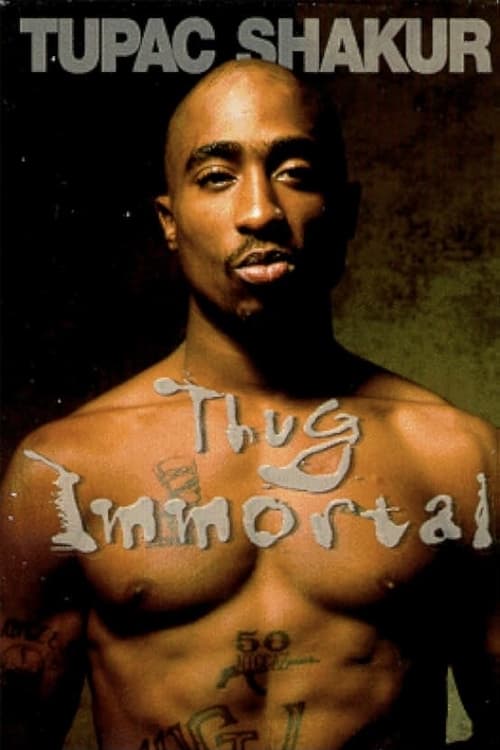
Tupac Shakur: Thug Immortal
1997
No user ratings available yet
Representation score: 5.2 out of 10
Representation Score
Excellent
2011
Not RatedDirector
Ken Peters
Runtime
44 minutes
Average Rating
No ratings yetNew Showbiz Analysis
The documentary excels at providing a high-level portrayal of Black intellectualism. By centering Tupac's philosophical views on the carceral system, it successfully challenges reductive racial and cultural stereotypes. However, the film lacks specific representation for LGBTQ+ and disability-focused narratives. These categories remain at baseline levels due to a lack of explicit thematic engagement. Ultimately, the film's strength is its systemic critique. It replaces the 'thug' archetype with a complex human identity, offering significant depth in racial and cultural representation.
Category Breakdown
The film focuses on Tupac Shakur's personal psyche and social observations. There are no explicit queer themes or non-cisgender identities present in the narrative.
The documentary centers on a male figure but disrupts hyper-masculine stereotypes. It explores nuanced familial dynamics through his relationship with his mother, moving beyond simple patriarchal archetypes.
This work provides a profound exploration of Black identity and systemic pressures. It centers a Black man's intellectual perspectives to disrupt the conventional criminal lens used by media.
The film critiques Western institutional power through reflections on American prisons and gang life. It prioritizes lived truth over institutional morality and traditional social hierarchies.
There is no explicit mention of physical or neurodivergent disabilities. The subject's mention of a 'diagnosed thug life' touches on societal labeling but lacks specific disability narratives.
Present on Screen
Limited or Absent
Official Synopsis
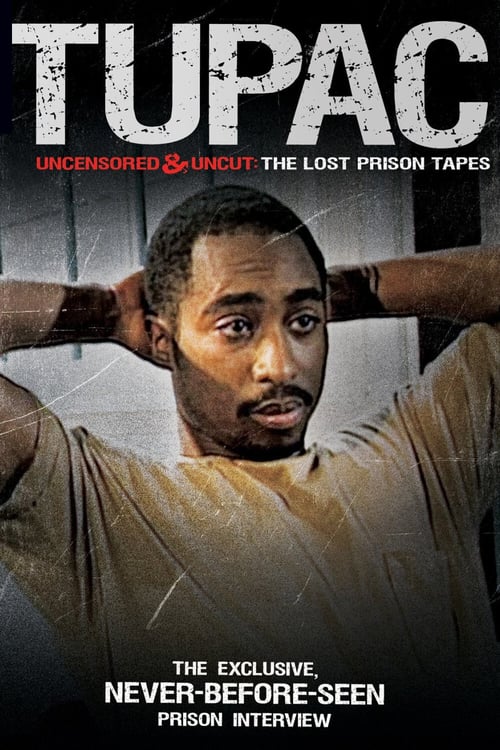
As Tupac's interviewer announces, 'Tupac, this interview is not about your trial, or your court appeals it is about Tupac, the inner man, then, and now.' Featuring an uncut and never-before-seen interview at the Clinton Correctional Facility, TUPAC UNCENSORED AND UNCUT: THE LOST PRISON TAPES presents a raw look into Tupac's world, as the rapper riffs on topics ranging from his involvement with gang life to prisons in America to his relationship with his mother. What emerges is a moving self-portrait of an artist who sees himself as fundamentally misunderstood: He may have diagnosed thug life, but he didn't invent it, and he is determined to uplift not destroy the black community. Capturing the intensity and passion of a fierce talent, TUPAC UNCENSORED AND UNCUT: THE LOST PRISON TAPES offers a glimpse inside the mind of the enigmatic artist whose music is, in his own words, 'all about life.'
1997
2003
2001
2018
2017
2021
2003
2017
No reviews yet. Be the first to share your thoughts on this movie!
Use the rating form above to leave a star rating and optional review.