
Studio 54
2018
No user ratings available yet
Diversity score: 6.9 out of 10
2015
Director
Ramon Fernandez
Runtime
135 minutes
Average Rating
No ratings yetSynopsis
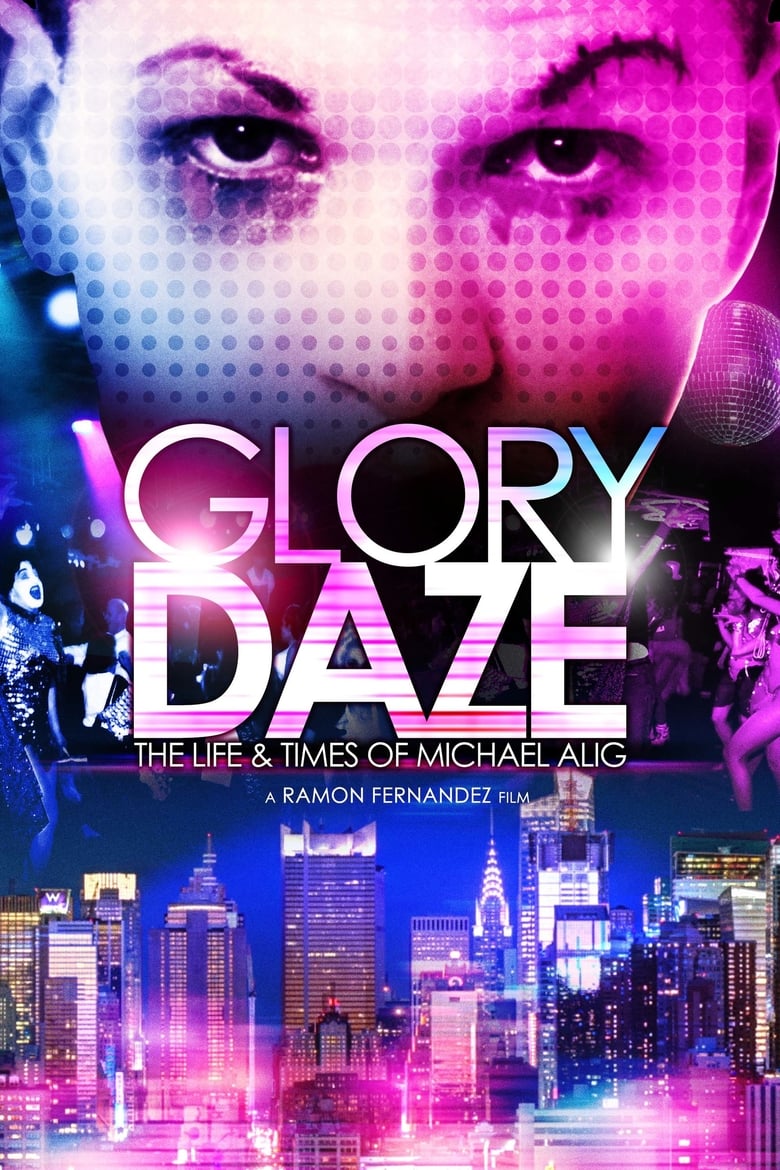
A review of the wild New York City nightlife of the 90s. The cast of characters who made up the infamous Club Kids speak candidly about that era, culminating with Alig's release from incarceration.
Overall Score
Good
Category Breakdown
LGBTQ+ Representation
The documentary centers queer social structures as the primary engine of the narrative. It explores non-cisnormative identities and community dynamics with significant agency. The film captures the specific social ecosystem of the era's nightlife.
Gender Representation
The film disrupts traditional hierarchies by prioritizing charisma and aesthetic performance over conventional masculine leadership. It explores fluid social roles but focuses more on performative identity than deep subversion of power dynamics.
Racial & Ethnic Diversity
Archival footage and interviews reflect the multicultural tapestry of New York City. The subjects represent diverse ethnic backgrounds, though the narrative remains heavily anchored to Manhattan's specific urban geography.
Religious & Cultural Diversity
The film excels at depicting a world where conventional morality and Western institutions are secondary to hedonistic impulses. It highlights an anti-social rebellion that challenges traditional family and social structures.
Disability Representation
Mental health and substance abuse are addressed through the lens of addiction and lifestyle consequences. There is a risk of utilizing the tragic figure trope to illustrate the era's volatility.
Strengths
Areas for Improvement
AI Analysis
Glory Daze serves as a vital historical record of the 1990s NYC Club Kid subculture. It succeeds by treating queer identity as a central narrative force rather than a peripheral subplot, offering a nuanced look at non-cisnormative social structures. The documentary's strength lies in its refusal to impose standard Western morality on its subjects. By embracing the moral relativism of the era, it provides an authentic window into a community operating outside mainstream societal norms. However, the film's focus on the performative aspects of identity can sometimes overshadow deeper explorations of gendered power. Additionally, depictions of mental health often lean toward the consequences of addiction rather than exploring neurodivergent agency.
2018

2019
1998

2010

2002

2021

1998
1999

2019
2012

2017

2009
No reviews yet. Be the first to share your thoughts on this movie!
Use the rating form above to leave a star rating and optional review.