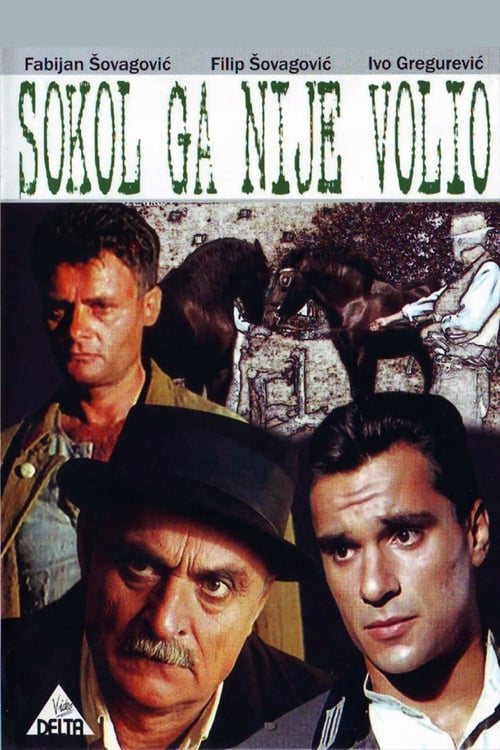
Wolves' Lairs
1948
No user ratings available yet
Representation score: 5.1 out of 10
Representation Score
Limited
1988
Director
Branko Schmidt
Runtime
102 minutes
Average Rating
No ratings yetNew Showbiz Analysis
Branko Schmidt’s drama serves as a sophisticated deconstruction of historical certainty. Rather than leaning into idealized patriotism, the film examines the fragmentation of the family unit and the erosion of authority during political upheaval. The story uses the stallion, Sokol, as a metaphor for the breakdown of patriarchal control. This symbolic layer adds depth to a narrative that explores the friction between personal ability to act and state-mandated ideologies. While the film excels in its nuanced cultural and institutional critique, it remains heavily focused on male-driven conflict and traditional wartime demographics.
Category Breakdown
The film focuses on wartime political factions and familial survival. There are no indications of LGBTQ+ characters or themes that explore non-straight relationships.
The narrative centers on a crisis of masculinity and the failure of patriarchal protection. While it challenges the 'strong leader' archetype, ability to act remains concentrated among male characters.
Set in WWII Eastern Croatia, the cast reflects regional demographics. The plot engages with the ethnic tensions and identity politics inherent to the Balkan conflict.
The film offers a complex critique of institutional power. It avoids moralistic clichés by exploring the situational ethics and systemic victimhood found between warring political movements.
There is no documented evidence regarding the portrayal of physical or neurodivergent disabilities within the narrative.
Present on Screen
Limited or Absent
Official Synopsis
The story begins in a small rural village in Ladimirevci, Eastern Croatia in 1943, where a land owner Sima is helping the Partisan Movement and the official Ustasha regime in order to save the life of his son Beneš, who is enlisted in the German army. Sima doesn't want to let his son fight for the wrong side any more, and doesn't want to give him to the Partisans either, so he hides him in his attic for the time being. The story is interwoven with episodes of Sima trying to muster a beautiful stallion - Sokol - who only answers to his son Beneš and clearly doesn't like his old man.
1948
1962
1976
1977
1962
1975
1964
1965
No reviews yet. Be the first to share your thoughts on this movie!
Use the rating form above to leave a star rating and optional review.