Four White Shirts
1967
No user ratings available yet
Diversity score: 4.3 out of 10
1986
Director
Ken Loach
Runtime
111 minutes
Average Rating
No ratings yetSynopsis
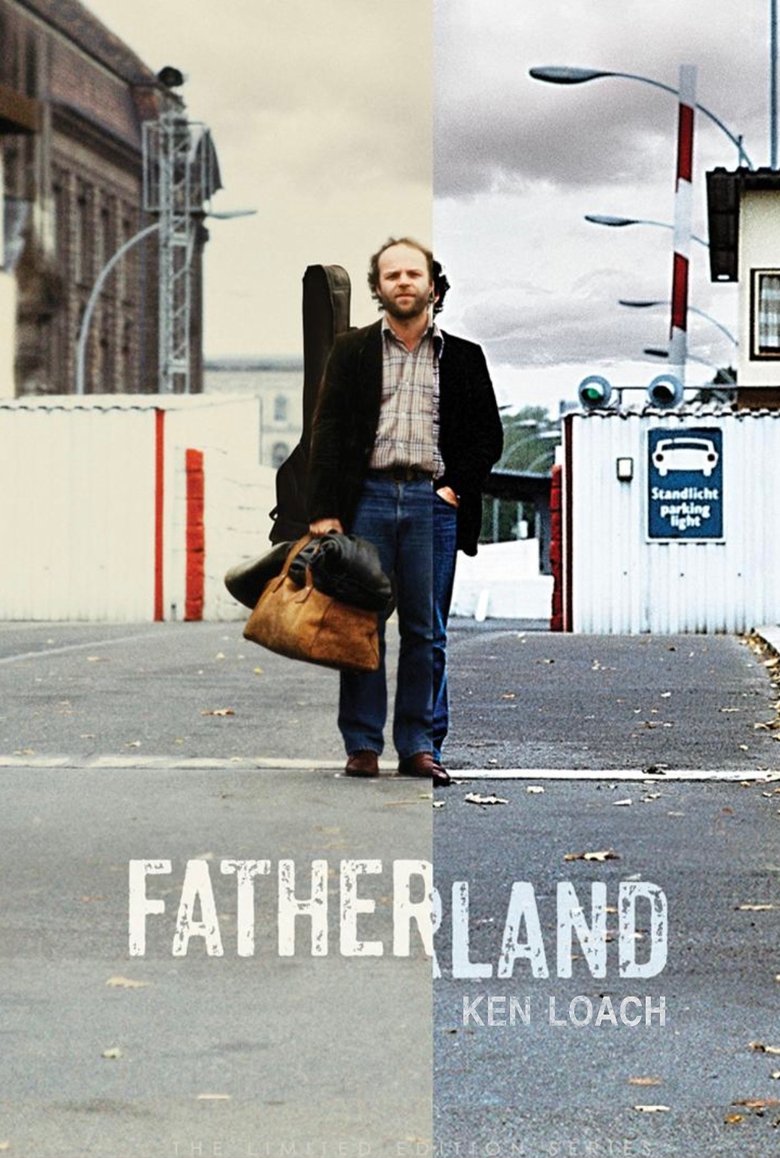
Persona Non Grata in his homeland, protest singer Klaus Drittemann must leave East Berlin, his wife and child and emigrate to West Berlin, where the representatives of an American record company are eagerly waiting for him. They plan to exploit his defection from communism both ideologically and financially. But Klaus, as ill-at-ease in the West as he was in the East, is reluctant to be used as an expendable commodity. Leaving his contract unsigned (or signed in his manner), he leaves for Cambridge to meet his father, a concert player, who - just like him - left East Berlin thirty years ago as Klaus was a little boy. He is accompanied by a young French journalist, Emma, who knows where his father has been living since he disappeared for more than a decade. The young lady is cooperative but might hide things from him...
Overall Score
Limited
Category Breakdown
LGBTQ+ Representation
The film lacks any discernible presence of non-cisnormative identities or same-sex intimacy. It focuses instead on the protagonist's struggles within a rigid, hyper-patriarchal totalitarian structure.
Gender Representation
Gender roles are heavily dictated by state-sanctioned patriarchal requirements. While Emma provides a counter-perspective, her agency is often tied to facilitating the male protagonist's journey.
Racial & Ethnic Diversity
The cast is predominantly white, reflecting the film's alternate-history setting of a Eurocentric totalitarian state. It does not utilize diverse ethnic backgrounds or race-bent casting.
Religious & Cultural Diversity
The film excels in its critique of institutional power and state-controlled religion. It deconstructs the corruption of both state dogma and Western-style capitalism.
Disability Representation
There is no significant focus on visible or invisible disabilities. Character struggles are primarily centered on psychological trauma and the weight of constant state surveillance.
Strengths
Areas for Improvement
AI Analysis
Fatherland is a thematic exploration of individual agency against a monolithic, ultra-nationalist European hegemony. While demographic diversity is low due to the specific alternate-history setting, the film offers deep intellectual variety through its critique of power. The narrative prioritizes the subversion of state-mandated reality over traditional representation. It examines how totalitarianism suppresses the agency of all individuals, regardless of their specific identity or background. Ultimately, the film's strength lies in its sophisticated interrogation of institutionalized morality and the corruption inherent in both Eastern and Western power structures.
1967

1980

2013

1983
1998

2017

2009

1994

1992
2017

1984
No reviews yet. Be the first to share your thoughts on this movie!
Use the rating form above to leave a star rating and optional review.