No One Knows About Persian Cats
2009
No user ratings available yet
Representation score: 4.4 out of 10
Representation Score
Good
1998
Director
Mohsen Makhmalbaf
Runtime
76 minutes
Average Rating
No ratings yetNew Showbiz Analysis
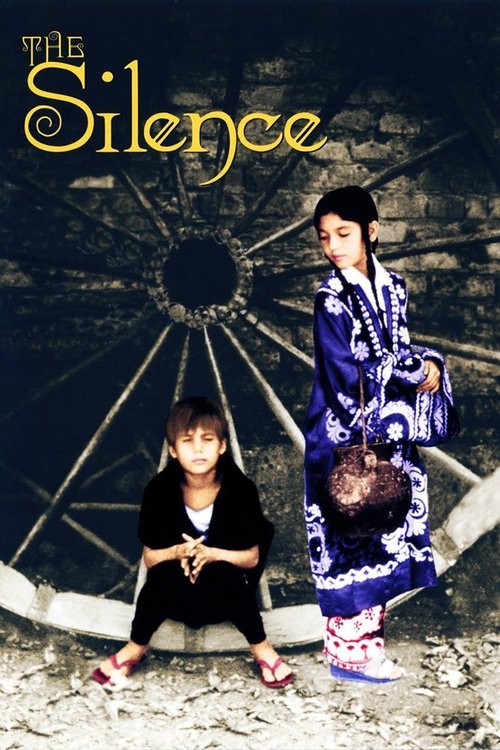
The Silence is a masterful exploration of sensory experience, centered around characters with disabilities. By presenting muteness and deafness as unique modes of existence rather than deficits, the film empowers its protagonists. While the film excels in disability representation, it lacks explicit LGBTQ+ identities or broader racial intersectionality. The focus remains on the specific sensory and survivalist struggles of the main characters. Ultimately, the film succeeds by challenging standard notions of normalcy through a poetic, sensory-driven narrative.
Category Breakdown
The film does not include any LGBTQ+ characters or non-straight relationships. The story focuses solely on the sensory and survivalist connections between the main characters.
The narrative challenges traditional gender roles by emphasizing sensory capabilities over social dominance. Characters gain significance through their perceptions rather than conventional masculine or feminine roles.
The film features an authentic, localized cast that highlights a specific cultural context. It challenges Western-centric cinema by focusing on a non-Western, rural perspective.
The story critiques systemic hardships and socioeconomic isolation. It emphasizes subjective, sensory-driven morality over institutional or religious frameworks.
This is the film's greatest strength. It portrays muteness and deafness not as deficits, but as profound, alternative ways of human connection and existence.
Present on Screen
Limited or Absent
Official Synopsis
Khorshid, a blind child growing up in Tajikistan, is constantly distracted by music and sounds. This frequently causes him to be late to his job as an instrument tuner even though he runs the risk of being fired at a time when his family is in danger of being evicted from their house.
2009

2013
1996

1999

2024
2014

1997

2005
No reviews yet. Be the first to share your thoughts on this movie!
Use the rating form above to leave a star rating and optional review.