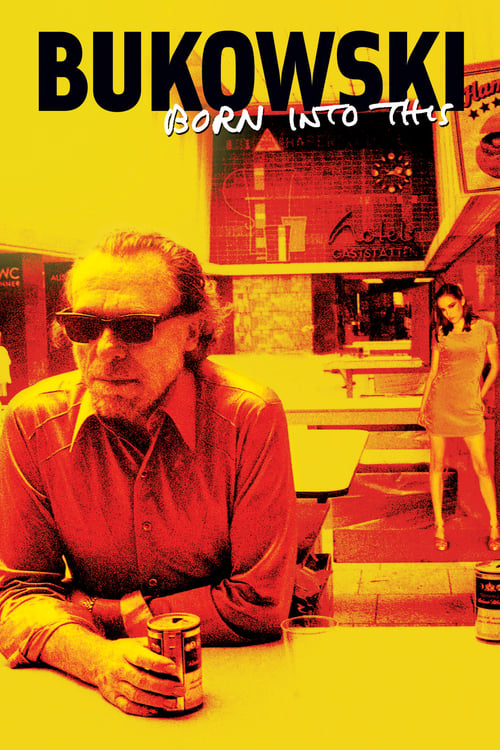
Bukowski: Born Into This
2003
No user ratings available yet
Representation score: 4.8 out of 10
Representation Score
Fair
1985
Not RatedDirector
Barbet Schroeder
Runtime
240 minutes
Average Rating
No ratings yetNew Showbiz Analysis
The documentary provides a raw, unvarnished look at social non-conformity. It excels at critiquing mainstream institutions and the 'rat race' through Bukowski's anti-capitalist worldview. However, this focus comes at the expense of exploring diverse human experiences. The film's narrow demographic scope results in limited representation of LGBTQ+, racial, and gender diversity. It prioritizes the singular, often volatile perspective of a white male subject over a diverse cast of characters. Ultimately, the work studies the margins of the social order. It disrupts standard biographical narratives by focusing on lifestyle and systemic critique rather than diverse human experiences.
Category Breakdown
The film does not focus on LGBTQ+ identities or non-cisgender gender expressions. It centers entirely on Bukowski's perspective.
Gender dynamics are shown through a challenging and often volatile lens. Women are depicted as subjects of Bukowski's cynicism rather than independent characters.
The documentary focuses on a singular white male subject. Despite being set in diverse urban environments, it does not center characters of color.
The film offers a deep look at the American Dream and capitalist structures. It emphasizes moral relativism and rejects middle-class morality.
There is no intentional focus on physical or neurodivergent disabilities. Alcoholism is treated as a lifestyle choice rather than a disability.
Present on Screen
Limited or Absent
Official Synopsis
The Charles Bukowski Tapes are an altogether more than four hours long collection of 52 short-interviews with the American cult author Charles Bukowski, sorted by topic and each between one and ten minutes long. Director Barbet Schroeder (Barfly) interviews Bukowski about such themes as alcohol, violence, and women, and Bukowski answers willingly, losing himself in sometimes minute-long monologues. Amongst other things, Bukowski leads the small camera team through his parents’ house and his former neighbourhood, but the largest part of the interviews takes place in Bukowski’s flat or backyard. The documentary includes a scene in which Bukowski reacts violently toward his wife Linda Lee.
2003
2008
1970
2022

1976

2008

1991
1984
No reviews yet. Be the first to share your thoughts on this movie!
Use the rating form above to leave a star rating and optional review.