The Loss of Nameless Things
2004
No user ratings available yet
Diversity score: 3.2 out of 10
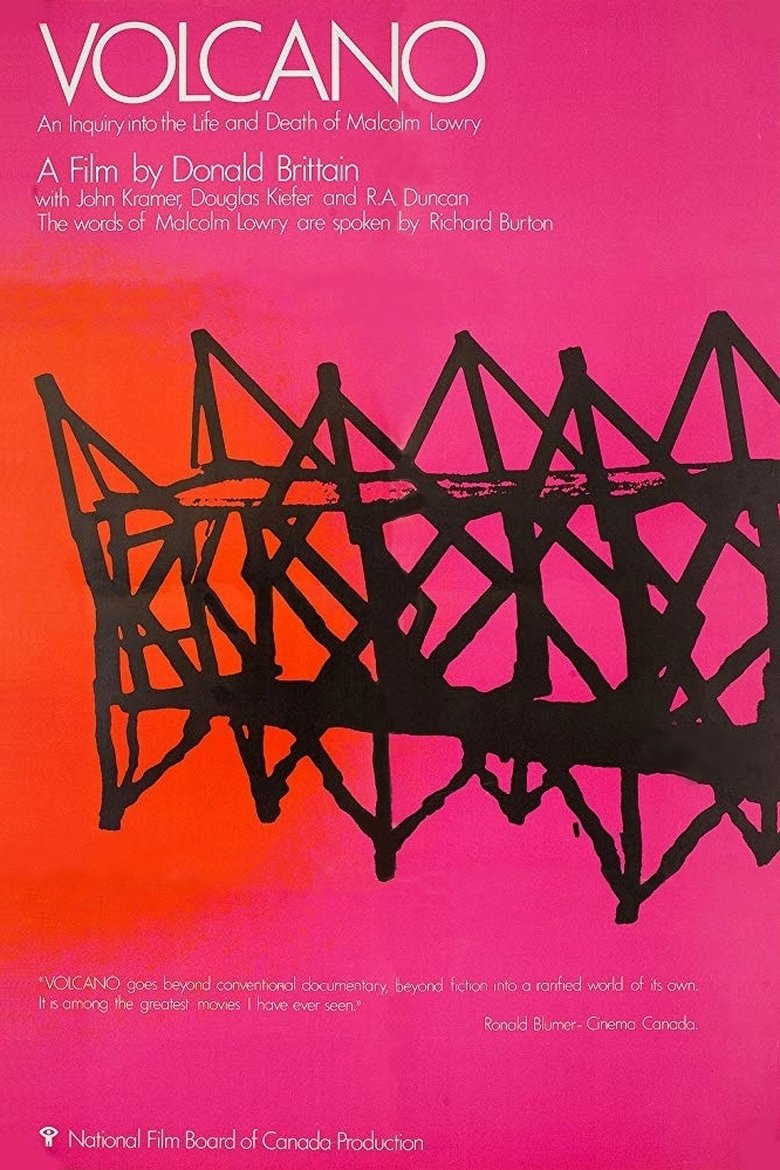
1976
Director
Donald Brittain, John Kramer
Runtime
100 minutes
Average Rating
No ratings yetSynopsis
This feature-length Oscar®-nominated documentary focuses on Malcolm Lowry, author of one of the major novels of the 20th century, Under the Volcano. But while Lowry fought a winning battle with words, he lost his battle with alcohol. Shot on location in four countries, the film combines photographs, readings by Richard Burton from the novel and interviews with the people who loved and hated Lowry, to create a vivid portrait of the man.
Overall Score
Fair
Category Breakdown
LGBTQ+ Representation
The film does not explicitly center LGBTQ+ identities or narratives. It explores human intimacy but lacks non-cisnormative gender identities or queer-coded subtext as a central theme.
Gender Representation
The narrative examines Lowry's marriage to Marguerite Auger but does not actively subvert traditional gender hierarchies. Female agency is not presented as a primary driver of the plot.
Racial & Ethnic Diversity
The cast and interview subjects reflect the demographic homogeneity of mid-century Anglo-Canadian literary circles. There is no significant evidence of racial blending or diverse casting.
Religious & Cultural Diversity
The film engages with moral relativism by framing Lowry's alcoholism as part of his creative landscape. It prioritizes a subjective inquiry into the human condition over traditional stability.
Disability Representation
The documentary provides a nuanced examination of neurodivergence and mental health through addiction. It treats psychological fragmentation as a lived reality rather than a mere plot device.
Strengths
Areas for Improvement
AI Analysis
Volcano offers a sophisticated, postmodern look at the psychological complexities of Malcolm Lowry. It excels in its refusal to treat mental health and addiction as simple moral failings, instead presenting them as integral to his identity. However, the film is limited by its historical and biographical focus. The lack of intersectional representation across race, gender, and LGBTQ+ identities keeps the overall diversity score low. Ultimately, it is a specialized study of a specific literary milieu that prioritizes individual psychological depth over broad social representation.
2004
2004
2013
1997
1983

2008
2020
2012
2016
1999
2018
1985
No reviews yet. Be the first to share your thoughts on this movie!
Use the rating form above to leave a star rating and optional review.