
Burroughs: The Movie
1984
No user ratings available yet
Representation score: 8.2 out of 10

Representation Score
Fair
1991
NRDirector
Klaus Maeck
Runtime
60 minutes
Average Rating
No ratings yetNew Showbiz Analysis
This documentary primarily serves as a vehicle for intellectual subversion rather than a diverse character study. Its strength lies in the subject's ability to challenge established social and moral hierarchies through discussion. While the film lacks a diverse ensemble, it provides a significant platform for postmodern, relativistic views on culture. The focus is on the deconstruction of traditional Western institutions and systemic norms. Ultimately, the work prioritizes philosophical depth over narrative variety, offering a critique of dominance that touches on identity and morality.
Category Breakdown
The film discusses themes related to LGBTQ+ experiences through its subject's literary legacy. Although there are no explicit scenes of intimacy, the content likely explores perspectives outside of traditional heterosexual relationships.
The documentary focuses on a single male intellectual figure. Despite a lack of gender diversity, the subject's history of challenging societal norms suggests a departure from typical mid-century masculinity.
The visual focus is centered around one individual, limiting the diversity of the cast. However, the subject's critiques of American culture often touch on themes of dominance and the lingering impacts of colonialism.
The film stands out by prioritizing the deconstruction of Western values and institutional power. It delves deeply into anti-authoritarianism and the critique of capitalist social structures.
There is no evidence regarding the depiction of physical or neurodivergent disabilities within this work.
Present on Screen
Limited or Absent
Official Synopsis
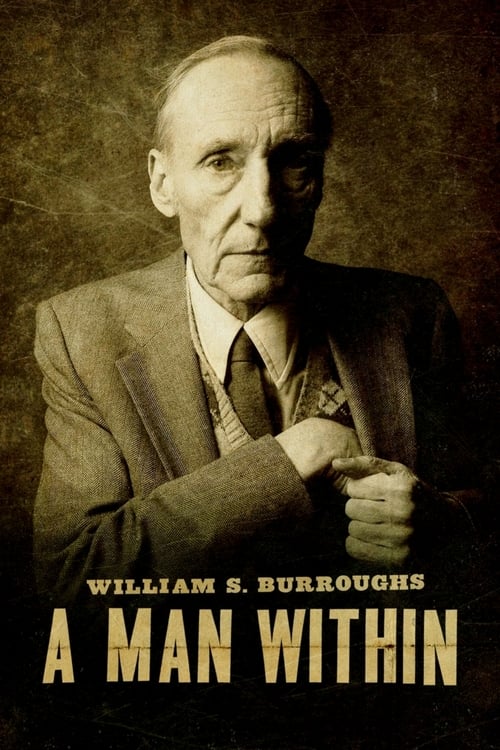
An hour-long interview with author William S. Burroughs in which he expounds on American culture, art and morals.
1984

2008

1983
1995

2000

1985
1986
2010
No reviews yet. Be the first to share your thoughts on this movie!
Use the rating form above to leave a star rating and optional review.