The Charles Bukowski Tapes
1985
No user ratings available yet
Representation score: 4.5 out of 10
Representation Score
Fair
2003
RDirector
John Dullaghan
Runtime
115 minutes
Average Rating
No ratings yetNew Showbiz Analysis
This documentary focuses on counter-cultural transgression rather than a broad demographic survey. It prioritizes the exploration of non-conformity and anti-social lifestyles through the lens of Charles Bukowski's life. The film's strength lies in its critique of traditional social hierarchies and its embrace of anti-institutional lifestyles. It challenges conventional morality by framing a life of boozing and brawling as a source of legendary status. However, the work lacks broad multi-layered depth. The focus remains tightly bound to a specific Western, mid-century literary milieu, resulting in limited racial and LGBTQ+ representation.
Category Breakdown
The film touches on subcultures that often overlap with queer spaces, but there is no clear depiction of LGBTQ+ identities or relationships that challenge the assumption that everyone is straight.
The story centers on a male figure, which can reinforce patriarchal structures. However, the inclusion of characters like Joyce Fante offers a nuanced look at Bukowski's personal relationships and his dysfunctional masculinity.
The representation is limited to the historical and cultural context of the subject. The film focuses on literary circles that were predominantly white and from a specific Western, mid-century demographic.
The documentary highlights the breakdown of traditional Western institutions. It romanticizes a sordid lifestyle, presenting anti-social behavior as an authentic expression of the human condition rather than mere deviance.
There is no specific information regarding the portrayal of physical or neurodivergent disabilities within the film.
Present on Screen
Limited or Absent
Official Synopsis
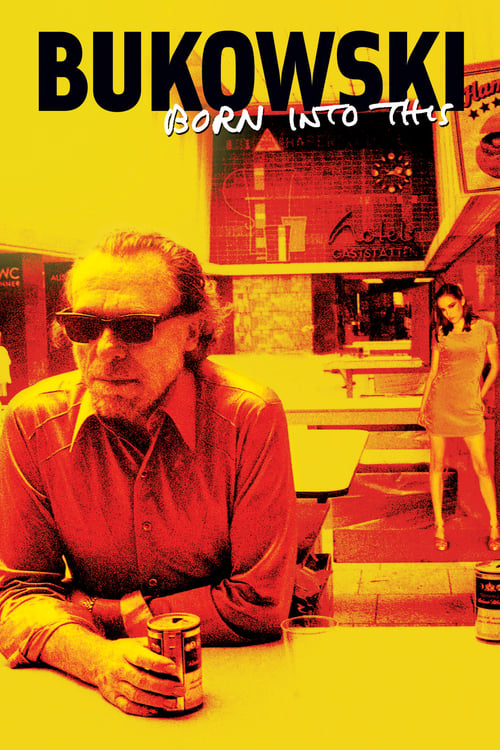
Director John Dullaghan’s biographical documentary about infamous poet Charles Bukowski, Bukowski: Born Into This, is as much a touching portrait of the author as it is an exposé of his sordid lifestyle. Interspersed between ample vintage footage of Bukowski’s poetry readings are interviews with the poet’s fans including such legendary figures such as Lawrence Ferlinghetti, Joyce Fante (wife of John), Bono, and Harry Dean Stanton. Filmed in grainy black and white by Bukowski’s friend, Taylor Hackford, due to lack of funding, the old films edited into this movie paint Bukowski’s life of boozing and brawling romantically, securing Bukowski’s legendary status.
1985
2008
1970

2008

1985
1995
1984
2017
No reviews yet. Be the first to share your thoughts on this movie!
Use the rating form above to leave a star rating and optional review.