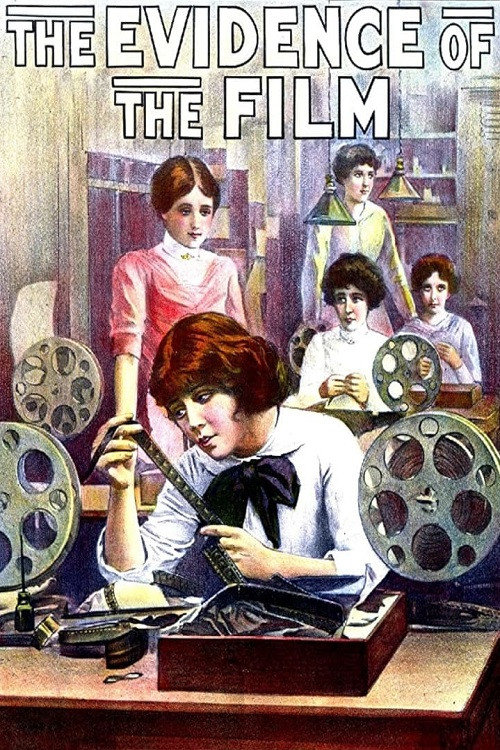
The Evidence of the Film
1913
No user ratings available yet
Representation score: 0.8 out of 10
Representation Score
Minimal
1908
Director
Albert Capellani
Runtime
17 minutes
Average Rating
No ratings yetNew Showbiz Analysis
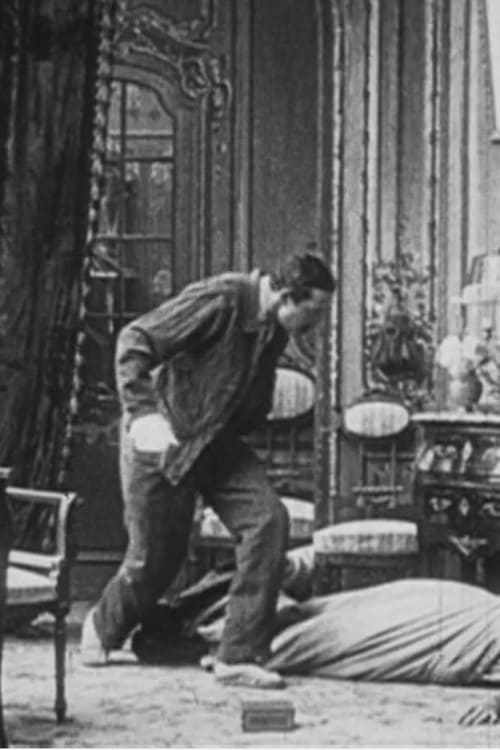
This early crime drama centers on M. Rasta, a high-society con man. The narrative structure is deeply rooted in the cinematic conventions and social hierarchies of the early 20th century. While the film offers a study of moral ambiguity through its protagonist, it lacks complexity in reflecting multiple aspects of identity. The storytelling adheres to the demographic compositions typical of its era, offering limited diverse representation. Ultimately, the work functions as a period-specific crime piece that reflects the homogeneous social structures of 1908 rather than challenging them.
Category Breakdown
The film does not include any characters with LGBTQ+ identities, which was common in early 1900s cinema due to societal norms.
The story revolves around a male protagonist involved in high-society crime. There is no evidence of strong female roles or challenges to traditional gender norms.
The film likely reflects the homogeneous society of early French cinema. It aligns with the Eurocentric norms prevalent in the early 1900s.
The film explores themes of crime and social status. It does not provide specific critiques of Western institutions or cultural representations beyond typical genre clichés.
No characters with physical or neurodivergent disabilities are included in the film. Such representation is not used as a narrative device.
Present on Screen
Limited or Absent
Official Synopsis
M. Rasta, a high society con man, is accused of a crime he didn't commit.
1913
1937
1952

1922

1931

1930
1908
1929
No reviews yet. Be the first to share your thoughts on this movie!
Use the rating form above to leave a star rating and optional review.