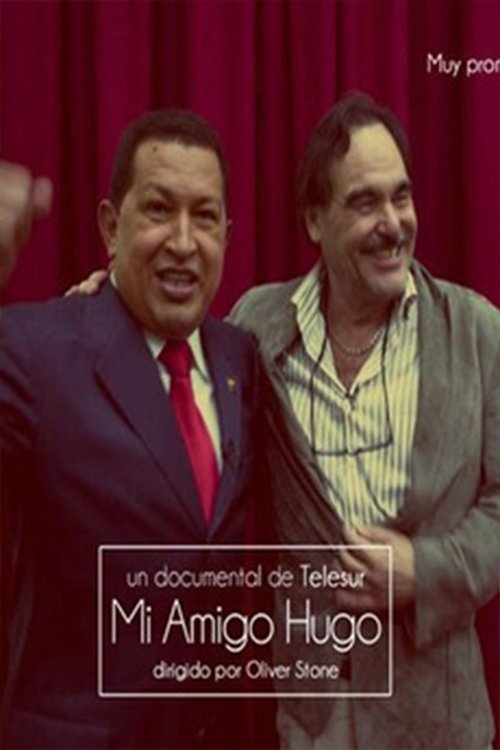
My Friend Hugo
2014
No user ratings available yet
Representation score: 6.0 out of 10
Representation Score
Fair
2013
TV-PGAverage Rating
No ratings yetNew Showbiz Analysis
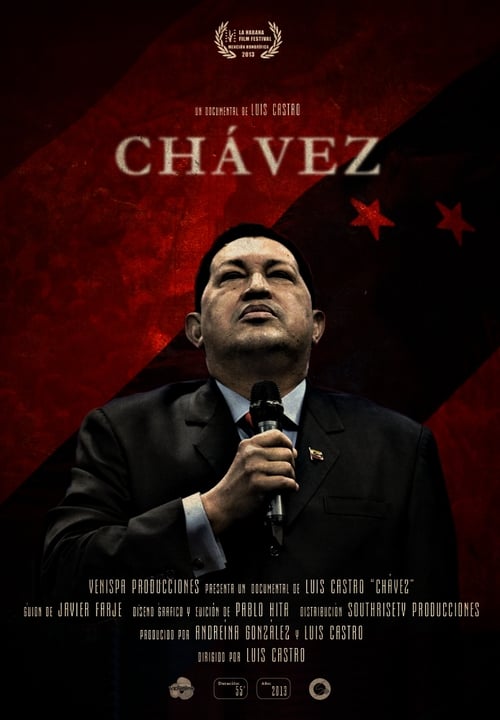
Chávez (2013) is a biographical drama that authentically represents Venezuelan culture and demographics. Its predominantly Latin American cast effectively centers the Venezuelan working-class experience. However, the film’s scope is limited in terms of social identity. It emphasizes traditional patriarchal structures and masculine political figures, sidelining women to secondary roles. Additionally, there is no representation of LGBTQ+ characters or storylines. Overall, while the film successfully critiques Western hegemony and institutional power, it does not challenge traditional gender and sexual identity hierarchies.
Category Breakdown
The film does not include any LGBTQ+ characters or storylines, sticking to traditional heterosexual norms.
The movie centers on masculine political figures and their actions, with women appearing mainly in supporting roles.
The cast is predominantly Venezuelan and Latin American, avoiding whitewashing and highlighting the experiences of the Venezuelan working class.
The story critiques Western dominance and frames the fight for sovereignty as resistance against foreign influence and economic elites.
There are no significant portrayals of disabilities playing central roles in the narrative.
Present on Screen
Limited or Absent
2014
2013

2019
2017
2017
2012
2008
2008
No reviews yet. Be the first to share your thoughts on this movie!
Use the rating form above to leave a star rating and optional review.