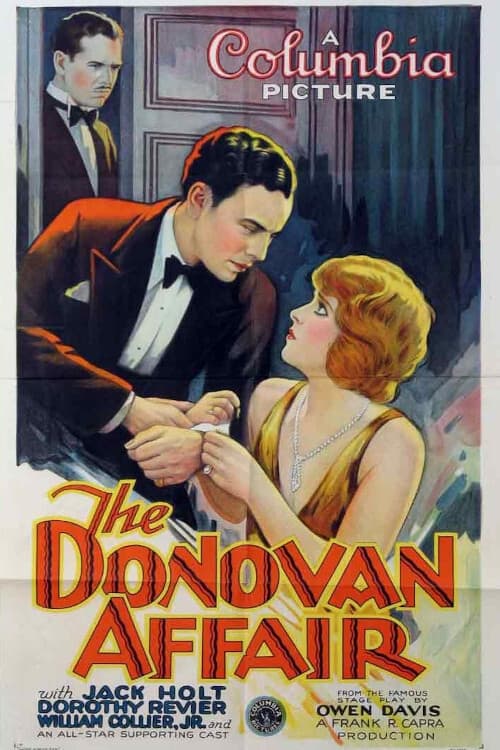
The Donovan Affair
1929
No user ratings available yet
Representation score: 0.2 out of 10
Representation Score
Limited
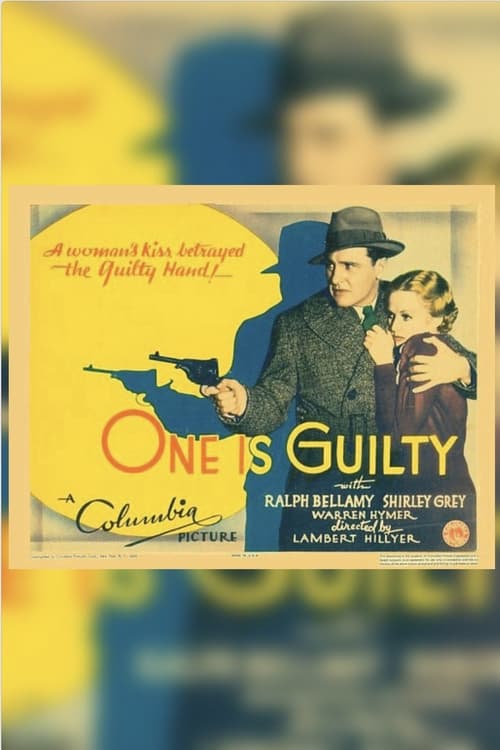
1934
PassedDirector
Lambert Hillyer
Runtime
63 minutes
Average Rating
No ratings yetNew Showbiz Analysis
One Is Guilty is a product of its time, reflecting the standard cinematic landscape of the mid-1930s. The film relies on traditional genre conventions, centering its narrative on male authority figures and institutional stability. Representation is limited, as the film aligns with the conventional social hierarchies of the era. It lacks depth in exploring diverse identities, focusing instead on a straightforward crime mystery structure within a likely homogeneous urban setting. Ultimately, the film reinforces existing social norms rather than challenging them, presenting a narrow perspective through the lens of 1930s law enforcement archetypes.
Category Breakdown
The film does not include any LGBTQ+ characters or stories that challenge traditional heterosexual relationships. It follows the typical assumptions about straight relationships common in 1930s crime films.
The story focuses on Police Inspector Steve Trent, giving him a central role in driving the plot. Women may play traditional roles such as victims or femme fatales.
The setting suggests a homogeneous, likely white, urban environment. There is no indication of a diverse or multicultural cast.
The narrative emphasizes institutional stability and the maintenance of social order. It supports the importance of legal authority and traditional Western values.
There is no evidence of characters with visible or invisible disabilities. The film does not address disability as part of the story.
Present on Screen
Limited or Absent
Official Synopsis
Police Inspector Steve Trent is called to the Radford Arms, a high-rise apartment building that has been taken over by a bank and its apartments now-unoccupied.
1929

1953

1948
1941
1932

1940
1943
1945
No reviews yet. Be the first to share your thoughts on this movie!
Use the rating form above to leave a star rating and optional review.