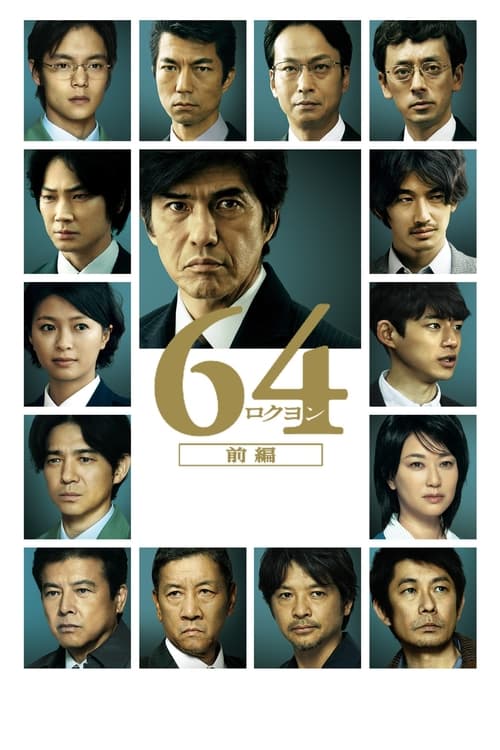
64: Part 1
2016
No user ratings available yet
Representation score: 5.4 out of 10
Representation Score
Fair
2018
Director
Tomoyuki Takimoto
Runtime
119 minutes
Average Rating
No ratings yetNew Showbiz Analysis
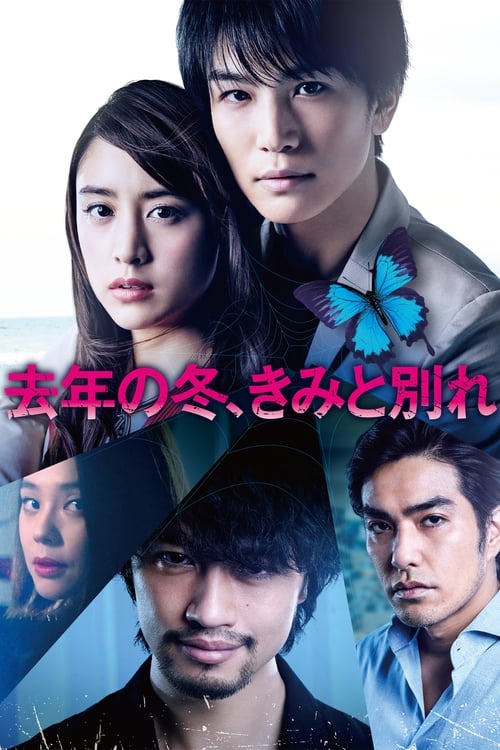
Last Winter, We Parted is a psychological noir that prioritizes atmospheric tension and individual character studies over social commentary. The film relies on established genre clichés, such as the ambitious male investigator and the tragic female figure. While the film offers nuanced characterizations and explores the complexities of morality, it does not attempt to disrupt conventional social hierarchies. The narrative structure remains focused on the descent of its characters rather than advocating for diverse identities. Ultimately, the work functions as a standard genre piece, maintaining a traditional approach to identity and representation within its specific cultural framework.
Category Breakdown
The story focuses on a heterosexual relationship between Kyosuke Yakumo and his fiancée, Yuriko. There is no indication of queer subtext or diverse gender identities within the character arcs.
The male protagonist leads the investigation, often relying on female characters as emotional catalysts. However, the women play crucial roles in the plot’s darker aspects rather than being mere background figures.
The film features a predominantly Japanese cast that aligns with the cultural context of the source material. It prioritizes cultural authenticity over broader demographic diversity.
The narrative explores subjective morality and the construction of truth through a riddle-filled mystery. It remains grounded in conventional storytelling without explicitly critiquing specific social or traditional institutions.
A central blind character provides a significant sensory perspective and drives the film’s central enigma. Her disability is pivotal to the plot, though it also serves as a driver for suspense.
Present on Screen
Limited or Absent
Official Synopsis
An ambitious, young freelance journalist takes on the closed case of a famous fine arts photographer whose beautiful female subject died on set in a gruesome fire.
2016
2008
2016
2014
1988
2023
1983

2025
No reviews yet. Be the first to share your thoughts on this movie!
Use the rating form above to leave a star rating and optional review.