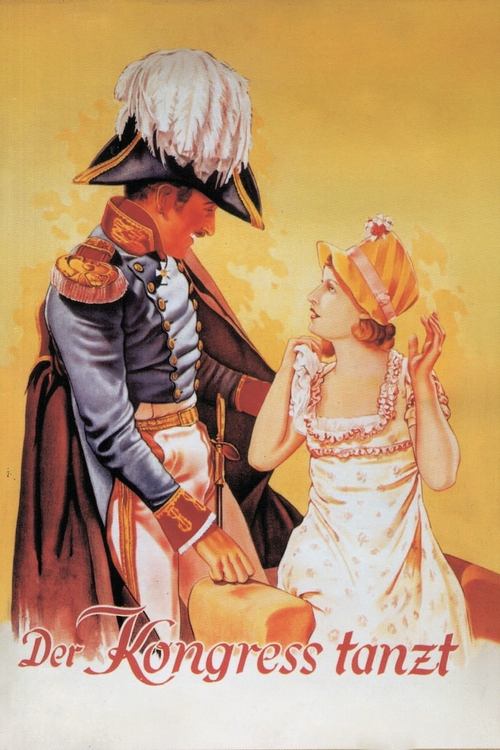
Congress Dances
1931
No user ratings available yet
Representation score: 0.4 out of 10
Representation Score
Minimal
1966
Director
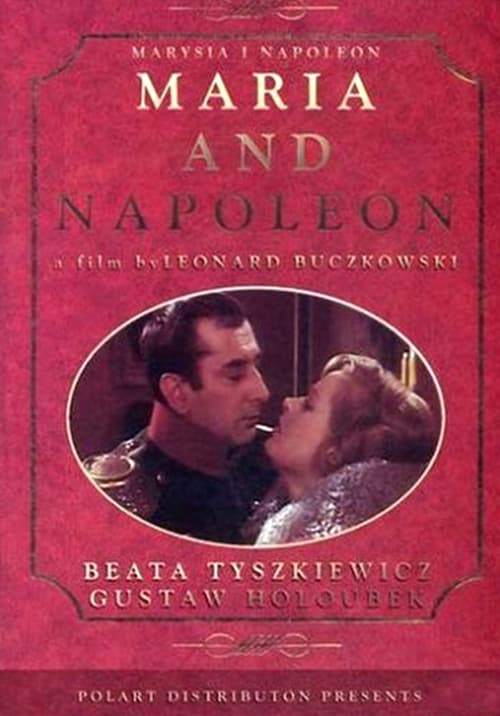
Leonard Buczkowski
Runtime
114 minutes
Average Rating
No ratings yetNew Showbiz Analysis
Maria and Napoleon is a conventional mid-century historical biopic that prioritizes romantic melodrama and period accuracy over modern diverse representation. The narrative structure reinforces traditional hierarchies of gender and class, focusing on the romanticized history of European nobility. While the female protagonist uses her relationship to pursue political goals for Poland, her power remains tied to her role as a romantic interest rather than an independent leader. The film lacks diversity in terms of race, ethnicity, LGBTQ+ identities, and disability themes, remaining strictly localized to the 19th-century European continental struggle.
Category Breakdown
The film operates within a strictly heterosexual framework. The narrative focuses entirely on the romantic relationship between Napoleon and Marie Walewska, with no queer subtext or non-cisgender identities present.
Marie Walewska exerts political influence through her relationship with Napoleon. The film reinforces traditional hierarchies where women utilize soft power within domestic or romantic spheres.
The cast and setting are ethnically homogeneous, reflecting the European geopolitical context of the Napoleonic Wars. There is no evidence of non-European characters or color-blind casting.
The story functions as a traditional historical romance adhering to the social norms of the era. It portrays aristocracy and military structures without significant critique or secular subversion.
There is no discernible representation of physical or neurodivergent disabilities. Characters are portrayed as idealized historical figures without engagement with disability themes.
Present on Screen
Limited or Absent
Official Synopsis
In 1807, Napoleon meets and falls in love with 22-year-old Polish countess Marie Walewska, who is unhappily married to a much older man. Enchanted by the blonde, blue-eyed countess, the emperor enters into an affair with Marie, who uses the relationship to induce Napoleon to treat Poland fairly.
1931
1934
1995
2018
1969
1955
1950
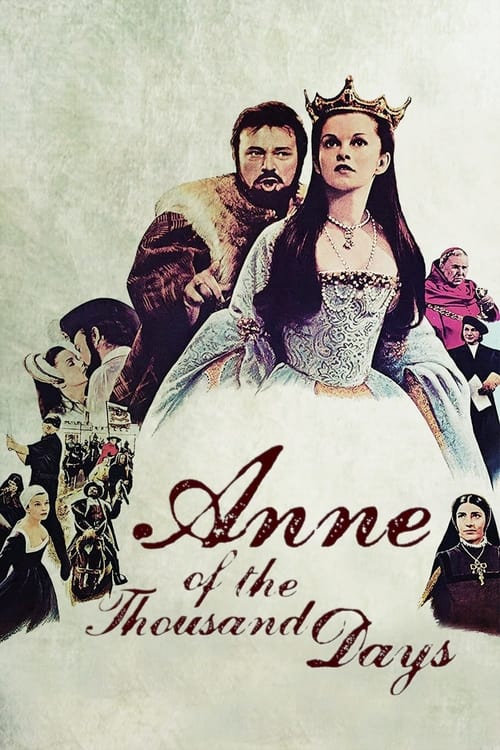
1969
No reviews yet. Be the first to share your thoughts on this movie!
Use the rating form above to leave a star rating and optional review.