Svatby pana Voka
1971
No user ratings available yet
Representation score: 3.0 out of 10
Representation Score
Minimal
1969
Director
Karel Steklý
Average Rating
No ratings yetNew Showbiz Analysis
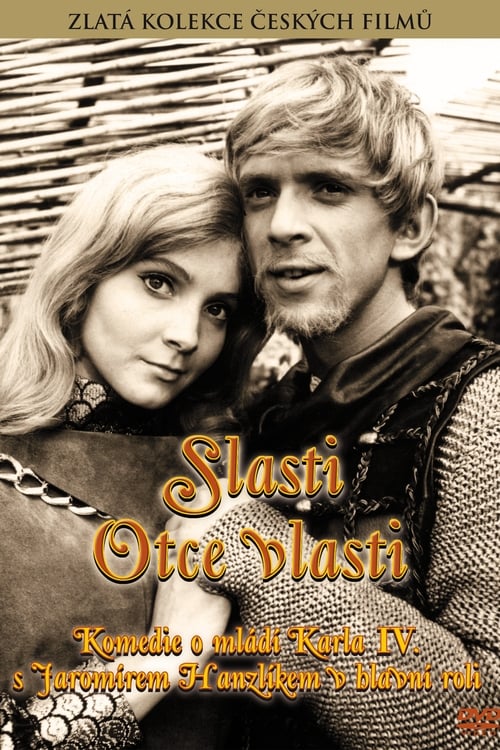
Slasti Otce vlasti is a traditional historical epic that upholds the established social and political hierarchies of the 14th century. The film adheres to the genre conventions of its time, emphasizing national identity and the continuity of the Luxembourg dynasty. The narrative structure follows conventional paths of leadership and courtship. By centering on the political succession of Prince Charles, the film reinforces the status quo rather than deconstructing it. Ultimately, the film serves as a classic period piece. It minimally disrupts traditional gender, racial, or cultural norms, focusing instead on the competence of the future ruler and the preservation of the state.
Category Breakdown
The film portrays a traditional romance between Prince Charles and his fiancée, Blanche. It does not include any characters with non-binary gender identities or challenge the idea that everyone is straight or cisgender.
The story focuses on male leadership and political succession, particularly through the Prince's actions. Female characters like Blanche are shown primarily in roles related to courtship, reflecting the gender norms of the 14th century.
The cast is predominantly European, reflecting the medieval setting. The film highlights regional European politics without much diversity in race or ethnicity.
The film emphasizes the Luxembourg dynasty's national heritage and legitimacy. It centers on traditional power structures like monarchy and nobility without challenging these institutions.
The story focuses on military conflicts and political strategies. There are no characters with visible or hidden disabilities that play a central role in the plot.
Present on Screen
Limited or Absent
Official Synopsis
The young Prince Charles (Jaromír Hanzlík), the future King of his country Charles IV, is being educated at the French court in the company of his fiancée Blanche (Daniela Kolárová). One day he receives a summons from his father John of Luxembourg (Milos Kopecký) in Italy. He leaves for Italy accompanied by a deputation from Bohemia. On the way the prince's company fights a battle with armed Milanese against heavy odds. Thanks to Charles's perspicacity, the prince's almost naked soldiers win through. In Lucca in Italy Charles joins his father, and here he experiences an amorous adventure and escapes from the traps laid by the Italian rebels.
1971

1967
1966
1944
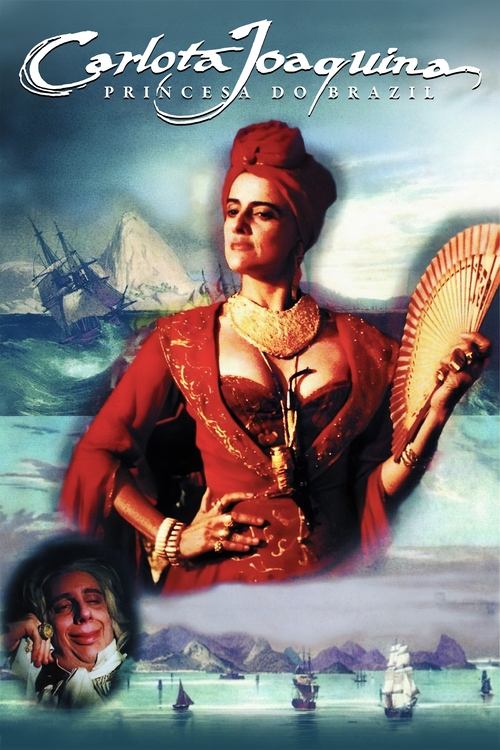
1995
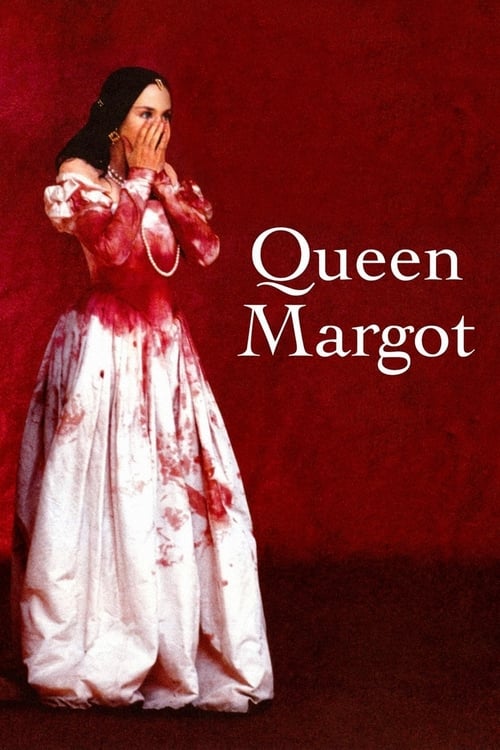
1994
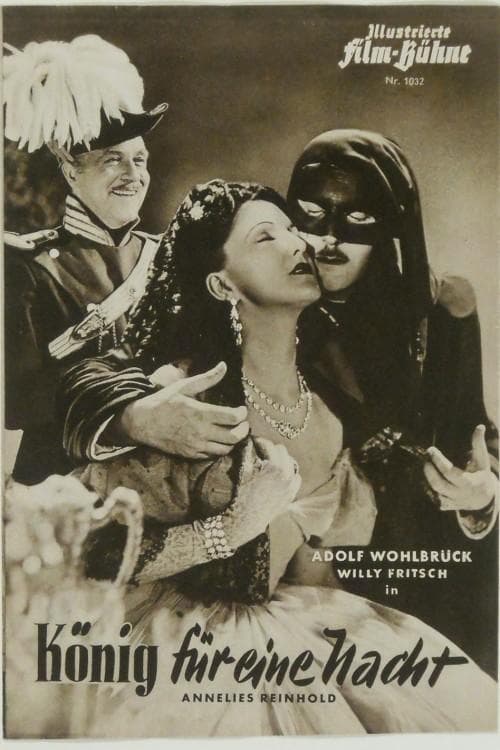
1950
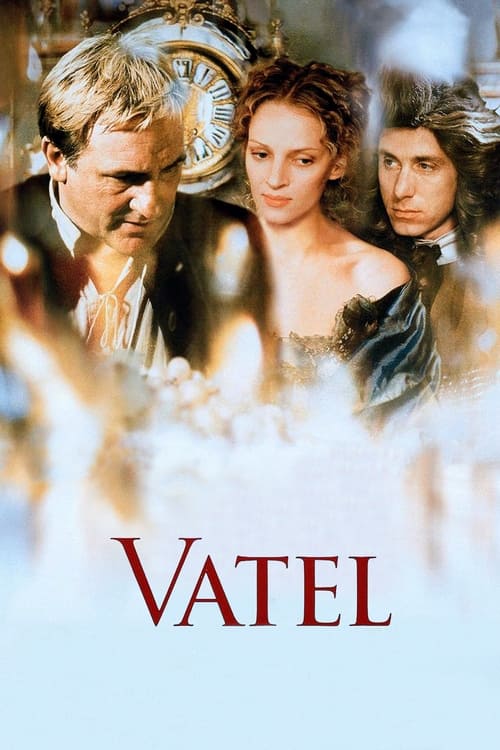
2000
No reviews yet. Be the first to share your thoughts on this movie!
Use the rating form above to leave a star rating and optional review.