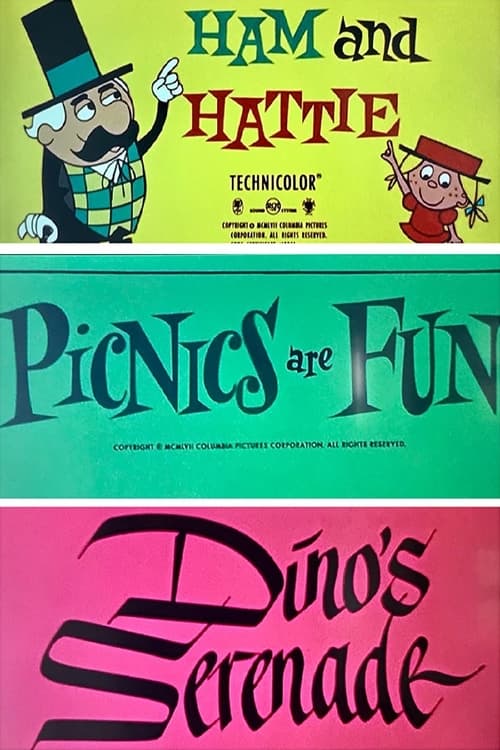
Picnics Are Fun and Dino's Serenade
1959
No user ratings available yet
Representation score: 0.4 out of 10
Representation Score
Limited
1957
ApprovedDirector
Fred Crippen, Lew Keller
Runtime
7 minutes
Average Rating
No ratings yetNew Showbiz Analysis
This UPA short offers a bifurcated viewing experience that provides glimpses of diversity without deep systemic engagement. The inclusion of a female protagonist and Caribbean musical themes provides a baseline of representation for the era. While the stylistic innovation of UPA suggests a progressive creative environment, the actual narrative content remains largely traditional. The segments function more as lighthearted entertainment than as tools for social critique. Ultimately, the work succeeds in introducing non-Western aesthetics and women's ability to drive the story, but it lacks the multi-layered complexity required for a higher diversity rating.
Category Breakdown
The film does not include explicit representations of LGBTQ+ identities or dynamics that challenge the assumption that everyone is straight or cisgender. The themes center around a child's perspective and musical family trees, which maintain a traditional framework.
Hattie, a young girl, plays a significant role in interpreting biological concepts, providing narrative ability to act. However, her role remains within the conventional educational frameworks typical of 1957 animation.
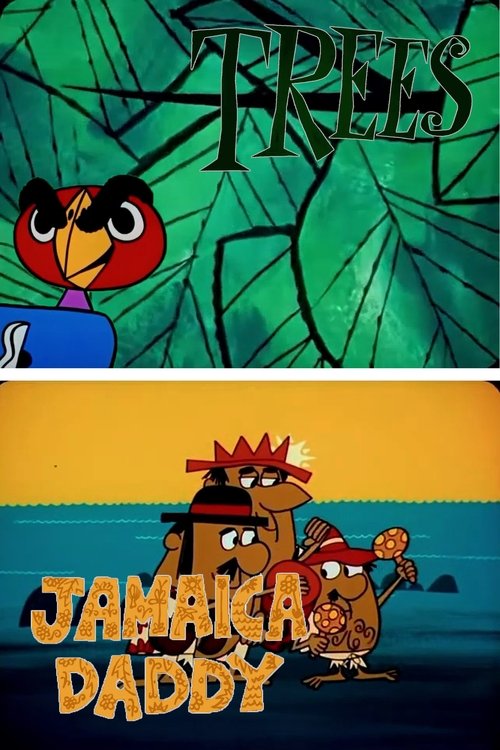
The 'Jamaica Daddy' segment includes Caribbean-inspired musical narratives, offering cultural inclusion. Calypso stylings provide a meaningful engagement with non-Anglo-Saxon identities.
Calypso motifs introduce non-Western aesthetics into the animation. However, the short's split structure prevents a deeper exploration of systemic power or complex social structures.
There is no evidence of characters with physical or neurodivergent conditions within the provided narrative.
Present on Screen
Limited or Absent
Official Synopsis
"Trees and Jamaica Daddy" was the first of a UPA series (short-lived) that featured two different subjects (plot, characters)running about 3.5 minutes each, on a seven-minute reel. The first one here was titled "Trees", featuring a little girl named Hattie giving her version of the birds, the bees and trees. The second one on the reel was called "Jamaica Daddy", about the animated Hamilton Ham and his band, who tell all about, in music and the usual UPA animation style, Jamaica Daddy, and his family tree in calypso fashion. "Ham-and-Hattie" were not a team, and did not appear together in this cartoon.
1959

1958
1948
1958
1948
1965
1958
1931
No reviews yet. Be the first to share your thoughts on this movie!
Use the rating form above to leave a star rating and optional review.