
The Bald Boy
1971
No user ratings available yet
Representation score: 3.3 out of 10
Representation Score
Minimal
1976
Director
Kartal Tibet
Runtime
90 minutes
Average Rating
No ratings yetNew Showbiz Analysis
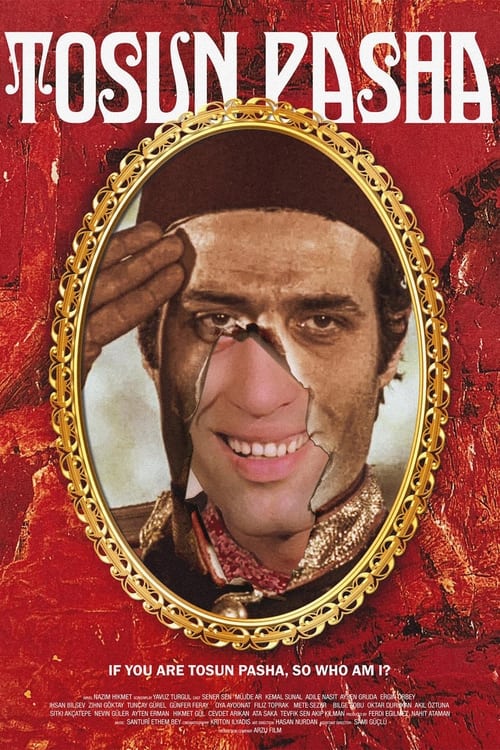
《托松帕夏》是一部典型的民间喜剧,依赖于既定的社会等级和典型角色。电影利用“骗子”角色来颠覆权威,使低地位的人物能够通过欺骗制造混乱。然而,电影缺乏与现代多层身份叙事的联系。它通过将女性视为竞争对象而非自主的故事驱动者来强化父权结构。社会颠覆仅限于喜剧时机,而不是身份政治。 最终,这部电影作为传统文化的庆祝之作,提供了坚实的历史氛围,但并不寻求挑战性别、性取向或残疾方面的系统规范。
Category Breakdown
The film adheres to traditional heterosexual norms, focusing on conventional romantic pursuits and male competition for female attention.
Women such as Leyla play crucial roles in the plot but mainly serve as prizes to be won. Men主导剧情,通过策略性的欺骗来推动故事发展。
影片展示了19世纪晚期奥斯曼帝国时期的同质文化。它避免了有害的种族刻板印象,但保持了其历史背景的民族同质性。
叙事中使用了骗子角色来颠覆正式权威人物的尊严,通过闹剧手法实现这一目的。这种颠覆主要是为了喜剧效果,而不是对系统性问题的批判。
没有明显的身体、感官或神经多样性的表现。角色被描绘为具有标准物理能力的闹剧喜剧。
Present on Screen
Limited or Absent
Official Synopsis
Late 19th century in Alexandria. Two traditionally rival Turkish families, "Seferoglu"s and "Tellioglu"s are competing for the "Green Valley". The winner will be determined by Daver Bey, who has a beautiful young daughter, Leyla. Both families try to arrange a marriage between a man from their family and Leyla, so that Daver Bey will be inclined to give the green valley to his "relatives". Tellioglus, who are behind in the race, desperately find a final solution: They will fake their idiotic butler, Saban, as the highest ranked Ottoman soldier in Egypt: Tosun Pasha.
1971

1978

1976
1976
1981
2000
1983
1964
No reviews yet. Be the first to share your thoughts on this movie!
Use the rating form above to leave a star rating and optional review.