
Şaban, a Man from the Middle Class
1984
No user ratings available yet
Representation score: 4.1 out of 10

Representation Score
Limited
2004
Director
Kartal Tibet
Runtime
118 minutes
Average Rating
No ratings yetNew Showbiz Analysis
Wacky Class Welcome is a traditional comedy that revolves around generational conflict and the preservation of institutional legacy. The narrative emphasizes nostalgia and the defense of established social structures over exploring diverse identities. The film's scope is limited to a specific Turkish educational context, offering a critique of urban development and capitalism through a lens that upholds the status quo. Ultimately, the production relies heavily on conventional genre frameworks, reinforcing communal traditions without broadening its social representation.
Category Breakdown
The film does not include any characters or stories related to LGBTQ+ identities or non-traditional gender roles. The narrative centers on school administrators and students within a conventional social structure.
Principal Fatoş plays a significant role by mobilizing alumni to save the school, showing ability to act. However, her character often adheres to conventional gender archetypes, such as order versus male-driven disruption.
The film focuses on a homogeneous Turkish community with no indication of a multi-ethnic cast or diverse racial identities.
The plot delves into the tension between preserving local traditions and resisting capitalist expansion. It highlights the importance of communal identity while avoiding broader cultural critiques.
The film does not feature any characters with visible or invisible disabilities, nor does it use disability as a plot device.
Present on Screen
Limited or Absent
Official Synopsis
The year is 2003, and the Private Çamlıca High School, once home to the legendary “Hababam Class”, is still in operation. The school’s founder has passed away, and his son, nicknamed “Mad Bedri,” now runs the place. The time-honored Hababam traditions continue in full force, and every teacher is so exasperated by the endless pranks of that class that they’re constantly looking for a way out. Seeing his chance, Mad Bedri plans to sell the school to a developer in exchange for floor space rights, so that it can be torn down and replaced with a high-rise office complex. When the principal, Fatoş, learns of his scheme, she enlists the help of the original “Hababam” alumni to save the school by taking on its current troublemakers. Tensions rise once Bedri announces the sale, and a huge surprise awaits everyone.
1984

1976

1985
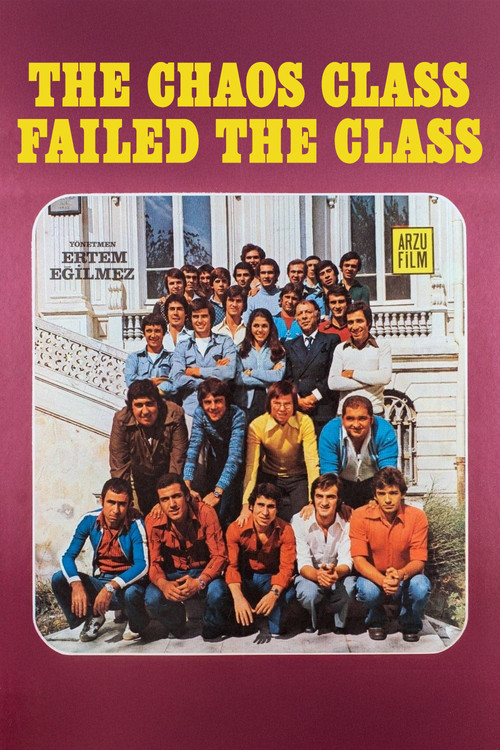
1976

1983
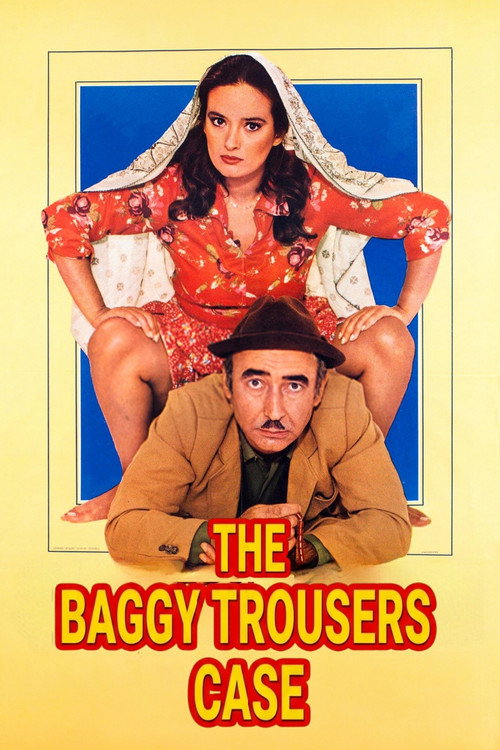
1983
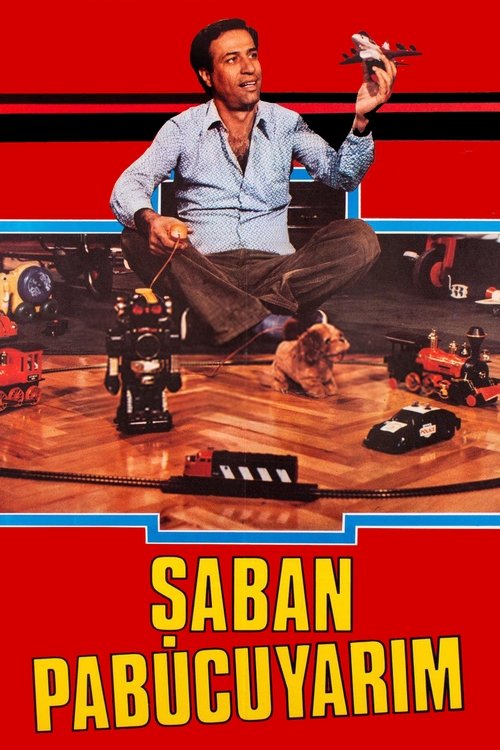
1985

2015
No reviews yet. Be the first to share your thoughts on this movie!
Use the rating form above to leave a star rating and optional review.