
Şaban, a Man from the Middle Class
1984
No user ratings available yet
Representation score: 4.1 out of 10

Representation Score
Fair
1979
Director
Kartal Tibet
Runtime
83 minutes
Average Rating
No ratings yetNew Showbiz Analysis
Our Hope Is Şaban is shaped by its specific historical and cultural context, emphasizing class-based critique over multi-layered identity. Its progressive value lies in its populist subtext, challenging local hierarchies and the corruption of the elite. While the film provides a sharp social satire regarding socioeconomic tensions, it remains rooted in the traditional cinematic structures of the 1970s. The demographic composition and gender dynamics reflect the era's conventional social frameworks rather than modern inclusive standards. Ultimately, the film serves as a localized critique of systemic inequality, using the underdog archetype to navigate the tension between populist entertainment and social commentary.
Category Breakdown
The film follows traditional structures typical of 1970s Turkish cinema, with no representation of LGBTQ+ identities or non-assuming gender matches what was assigned at birth gender expressions.
Gender roles are traditional, with female characters mainly serving as romantic foils for the male lead. The protagonist challenges macho stereotypes through slapstick humor, but does not fully break down patriarchal structures.
The cast reflects the cultural homogeneity of its setting, avoiding whitewashing by focusing on Turkish identity and local social dynamics.
The film uses social satire to critique class disparity and corrupt elites, contrasting honest villagers against pretentious authority figures in a traditional village setting.
There is no significant focus on neurodivergence or physical disabilities. The protagonist's clumsiness is used for comedy, which can come across as ridiculing physical coordination.
Present on Screen
Limited or Absent
1984
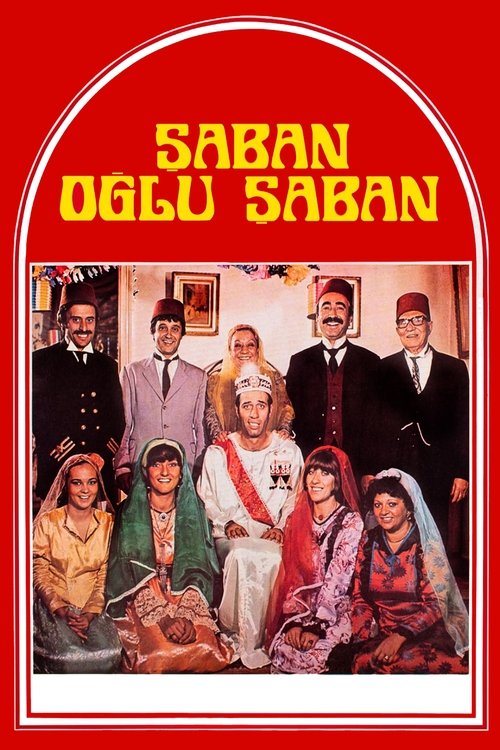
1977

1985

1978
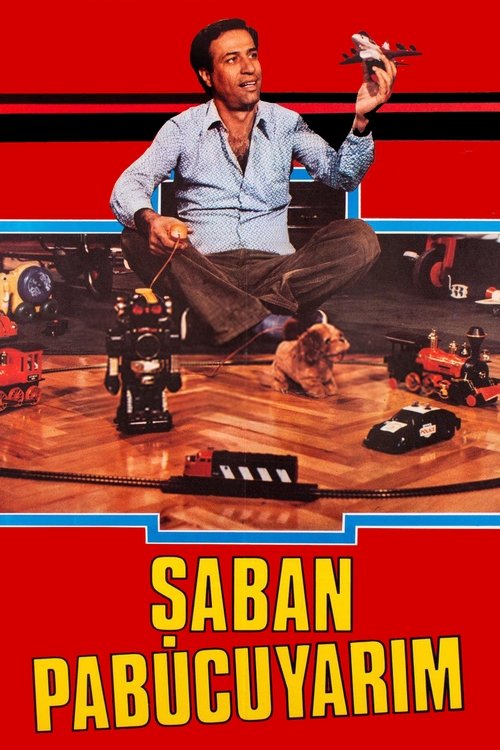
1985
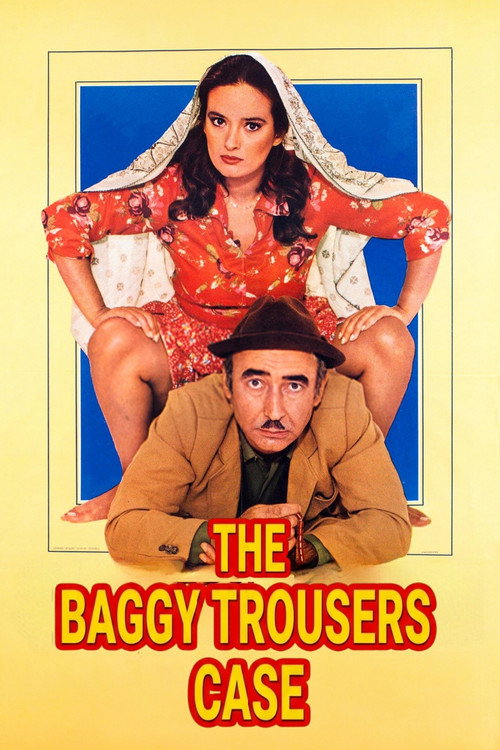
1983

1983

1980
No reviews yet. Be the first to share your thoughts on this movie!
Use the rating form above to leave a star rating and optional review.