
Tokatçı
1984
No user ratings available yet
Representation score: 2.5 out of 10
Representation Score
Minimal
1981
Director
Kartal Tibet
Runtime
94 minutes
Average Rating
No ratings yetNew Showbiz Analysis
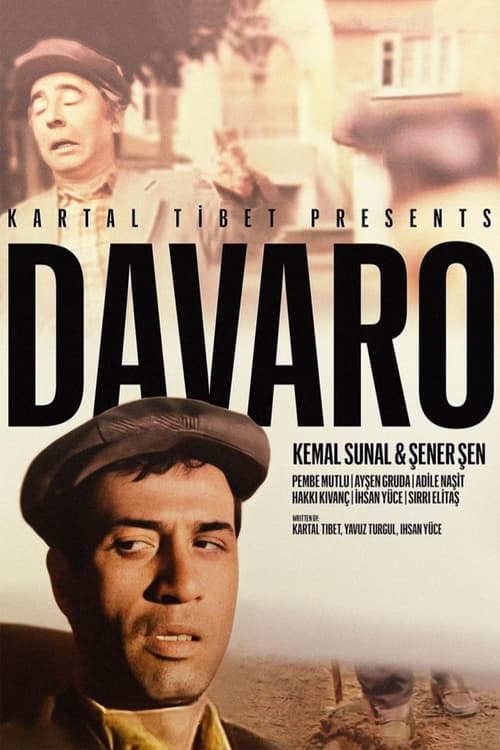
Davaro, a product of the Yeşilçam era, examines the tension between evolving legal frameworks and traditional customs. Using humor, the film navigates the complexities of blood feuds but ultimately upholds traditional social structures rather than challenging them. The film's perspective is deeply rooted in a specific regional community, focusing on its internal social hierarchy. This narrow focus limits ethnic or racial diversity, as the narrative remains confined to a homogeneous rural setting. Overall, the film serves as an examination of traditionalist values, emphasizing patriarchal hierarchies and ancestral honor codes that define social roles and moral obligations.
Category Breakdown
The film does not include any identifiable LGBTQ+ characters or narratives. The social fabric depicted assumes everyone is in straight relationships.
The story focuses on male figures who have significant control over the plot. Female characters are mainly in traditional domestic roles and motivate male actions.
Set in a rural Turkish village, the cast is ethnically uniform. The film does not explore diverse ethnic backgrounds or multi-layered racial dynamics.
The film highlights the conflict between honor and the law, emphasizing the cultural importance of vendettas. It prioritizes tribal and family honor over modern legal systems.
There are no characters with visible or invisible disabilities playing key roles or having specific influence in the story.
Present on Screen
Limited or Absent
Official Synopsis
Memo returns from Germany to get married with his love but his fathers killer Sulo is being released from jail. As a village rule he has to get revenge for his fahter or he can not get married but he doesn't want to kill so they stage a fake death with Sulo and after that his luck runs out.
1984

1978
2014
1961

1971

2013
2005

1981
No reviews yet. Be the first to share your thoughts on this movie!
Use the rating form above to leave a star rating and optional review.