Find another title
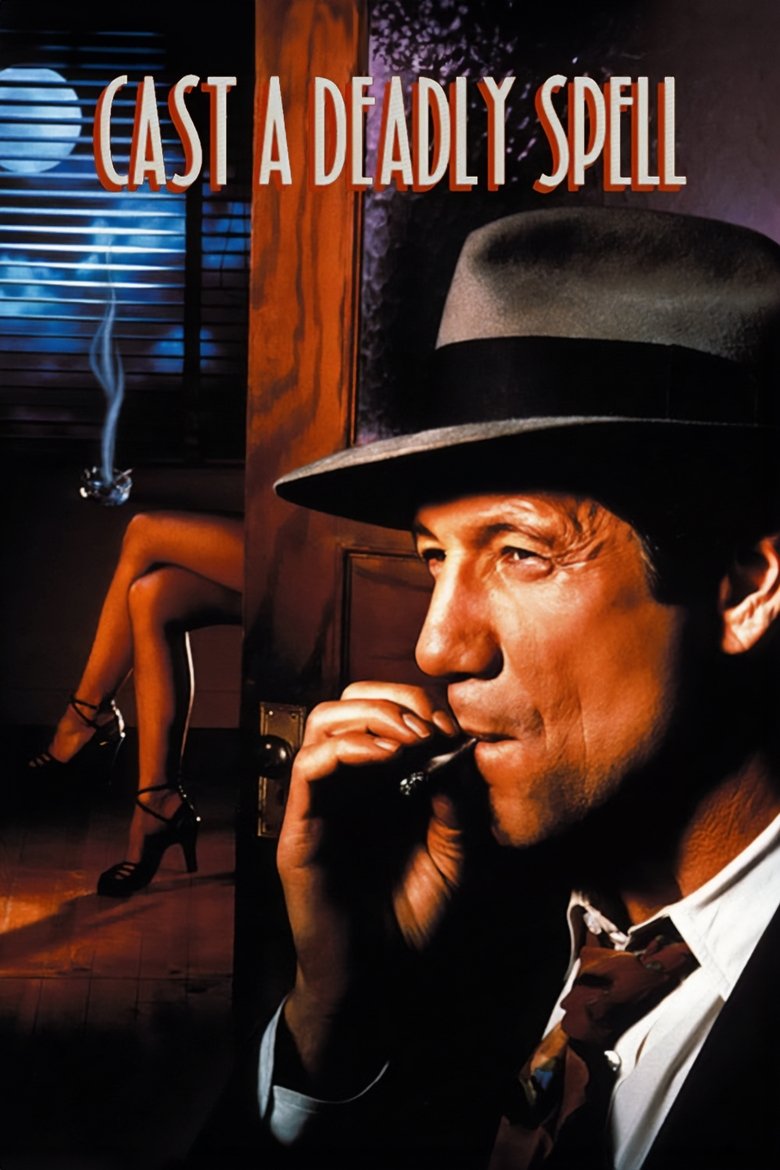
Cast a Deadly Spell
1991
RDirector
Martin Campbell
Runtime
96 minutes
Average Rating
No ratings yetSynopsis
In a fantastical 1940s where magic is used by everyone, a hard-boiled detective investigates the theft of a mystical tome.
Where to Watch
Diversity & Representation
Overall Score
Fair
Category Breakdown
LGBTQ+ Representation
The film adheres to traditional 1940s noir and fantasy archetypes. It focuses on heteronormative romance and lacks any visible non-cisnormative identities or same-sex intimacy.
Gender Representation
Female characters possess significant agency and supernatural power, often outmatching the male protagonist in intellect. This subverts the classic damsel in distress trope common to the genre.
Racial & Ethnic Diversity
A diverse ensemble populates this stylized magical 1940s, avoiding the rigid homogeneity of typical period dramas. However, racial representation remains secondary to the central mystery.
Religious & Cultural Diversity
The narrative prioritizes a secular, magical logic over traditional religious institutions. It explores individualistic justice through a noir lens rather than critiquing specific Western institutions.
Disability Representation
There is no prominent focus on neurodivergence or physical disabilities. The supernatural elements center on magical ability rather than the lived experiences of disability.
Strengths
- Subverts gender hierarchies by giving female characters superior intellect and magical power.
- Avoids the rigid racial homogeneity often found in realistic 1940s period dramas.
- Uses a magical framework to move away from singular, traditional religious moralities.
Areas for Improvement
- Lacks representation of LGBTQ+ identities or non-cisnormative gender expressions.
- Provides no meaningful focus on neurodivergence or physical disabilities.
- Fails to use its diverse ensemble to drive systemic or social critiques.
AI Analysis
Cast a Deadly Spell is a genre-bending exercise that uses a magical 1940s setting to bypass some historical limitations. It succeeds most notably in its gender dynamics, where women hold significant intellectual and supernatural authority. However, the film remains anchored in traditional narrative structures. It prioritizes genre escapism and noir tropes over intentional systemic critique or deep intersectional representation. While the fantasy setting allows for a more varied cast than a realist period piece, the film lacks significant engagement with LGBTQ+ identities or disability representation.
Rate this Movie
Reviews
No reviews yet. Be the first to share your thoughts on this movie!
Use the rating form above to leave a star rating and optional review.