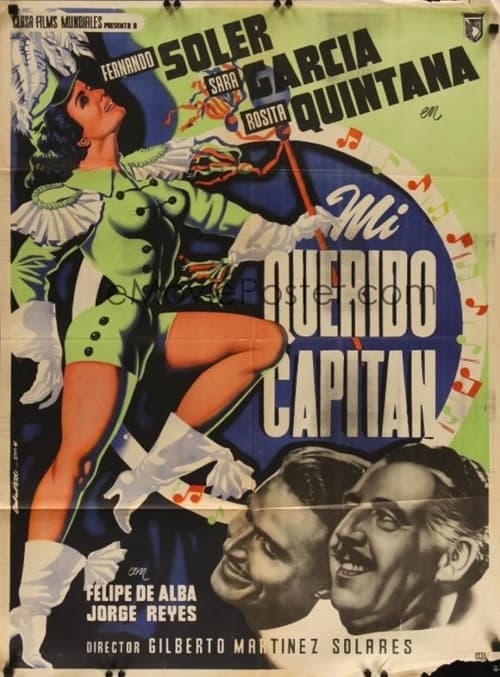
My Dear Captain
1950
No user ratings available yet
Representation score: 4.0 out of 10
Representation Score
Limited
1950
Director
Chano Urueta
Runtime
89 minutes
Average Rating
No ratings yetNew Showbiz Analysis
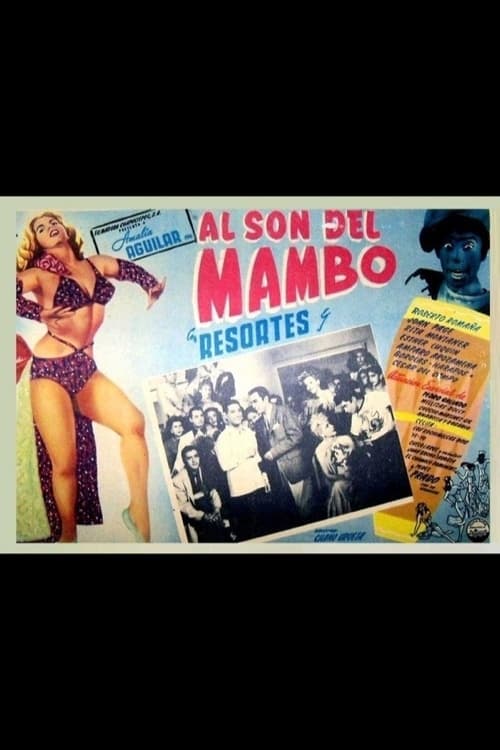
To the Sound of the Mambo is a celebration of the Golden Age of Mexican cinema. It emphasizes the musical ability to act of Latin America by focusing on regional rhythms like mambo and son over Eurocentric norms. However, the film remains a product of its time, adhering to the structural norms of 1950s studio productions. It lacks the layered complexity or critical engagement with social structures found in modern works. While culturally significant for its musical heritage, the film upholds traditional social hierarchies and conventional gender roles.
Category Breakdown
The film does not show any characters with non-binary gender identities or same-sex relationships. It follows the traditional, straight-focused social norms common in 1950s Mexican cinema.
As a musical comedy, the film likely uses traditional gender roles for comedic purposes. Female characters are probably placed within domestic or romantic roles rather than having significant control over the plot.
The film highlights Afro-Latin and Mestizo cultural expressions through the rhythms of son and mambo. The presence of Dámaso Pérez Prado underscores the importance of non-Anglo-Saxon cultural contributions.
The narrative celebrates specific musical traditions, moving away from Western classical music. However, it aligns with traditional family and community values.
There is no information about the portrayal of physical or neurodivergent characters in the available synopsis.
Present on Screen
Limited or Absent
Official Synopsis
A fun musical comedy style of the 50s where the infectious rhythm of the son and the mambo, led by the hand by the incomparable Damaso Perez Prado, will a waste of good music and grace. With a formidable cast, and above all a fabulous collector's item.
1950
1955
1948
1951
1949
1948
1950

1955
No reviews yet. Be the first to share your thoughts on this movie!
Use the rating form above to leave a star rating and optional review.