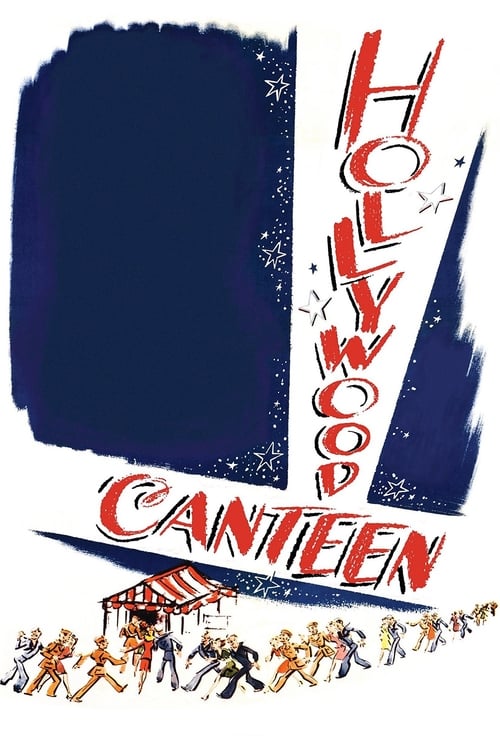
Hollywood Canteen
1944
No user ratings available yet
Representation score: 1.3 out of 10
Representation Score
Minimal
1943
NRDirector
Frank Borzage
Runtime
132 minutes
Average Rating
No ratings yetNew Showbiz Analysis
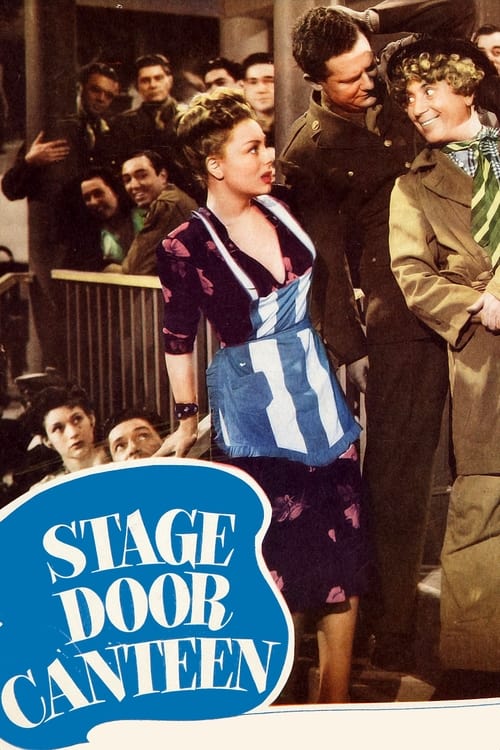
Stage Door Canteen operates as a patriotic morale booster, emphasizing social stability over diverse representation. It adheres closely to the conventions of mid-century Hollywood, reinforcing traditional hierarchies without challenging them. The narrative structure is built around conventional gender roles and an Anglo-centric view of the wartime experience. Women play important roles but are confined to supportive positions within the social ecosystem. The film celebrates national identity through a cohesive, traditional lens, lacking representation for LGBTQ+ identities, racial diversity, or disabilities.
Category Breakdown
The film centers on heterosexual relationships and does not include any characters with non-binary gender identities or same-sex relationships. There is no representation of LGBTQ+ individuals.
Women play key roles in supporting the soldiers and maintaining morale during wartime, but their influence is limited to supportive roles. Men are portrayed primarily through their military service and sense of duty.
The cast is mostly made up of white actors, reflecting the homogeneity of the time period. There are no characters of color who have significant roles in the story.
The film highlights the importance of patriotism and Western values, celebrating the Allied war effort. It emphasizes social unity and respect for national institutions.
There are no characters with physical or cognitive disabilities featured in the film. Disabilities are not used as central plot devices or character traits.
Present on Screen
Limited or Absent
Official Synopsis
A young soldier on a pass in New York City visits the famed Stage Door Canteen, where famous stars of theatre and film appear and host a recreational center for servicemen during the war. The soldier meets a pretty young hostess and they enjoy the many entertainers and a growing romance.
1944
1945
1941

1958
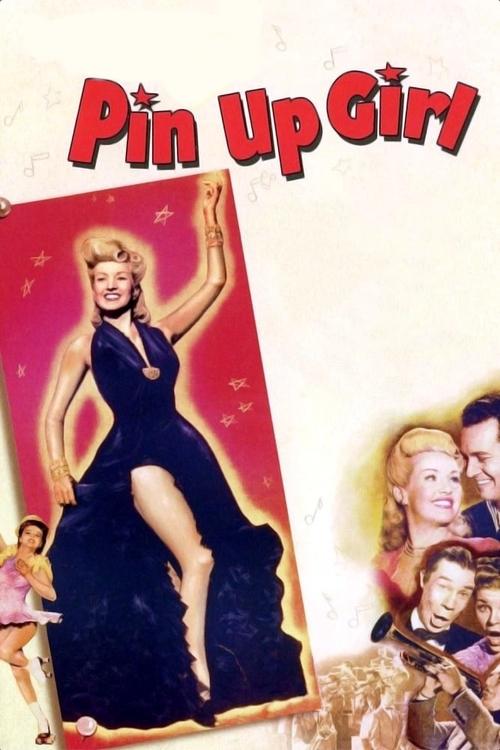
1944
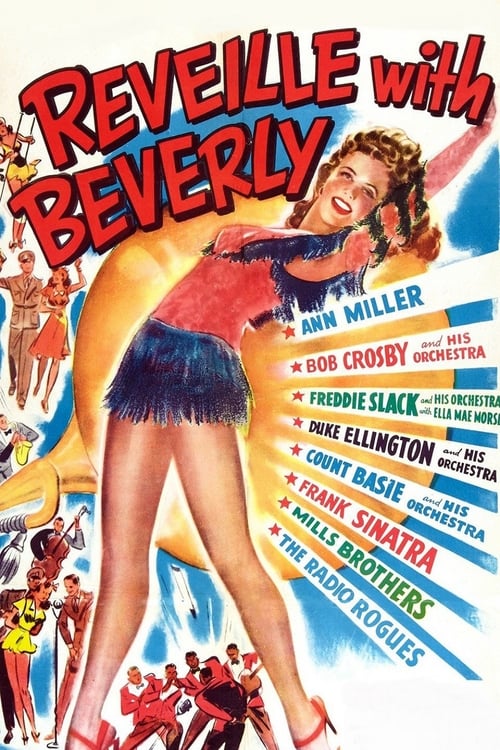
1943
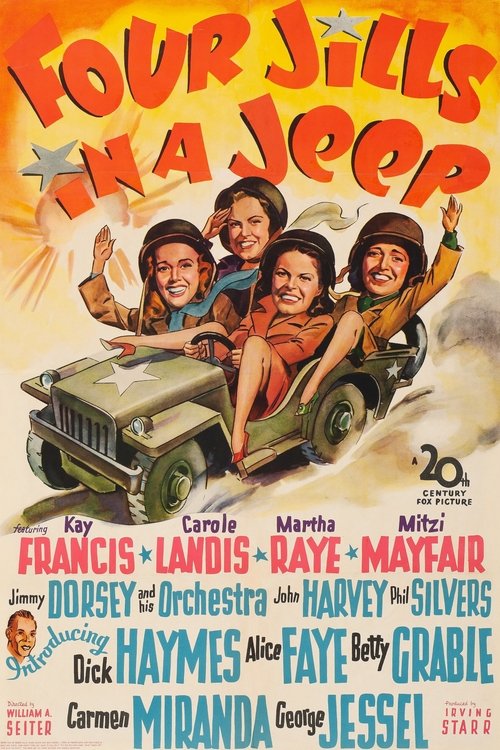
1944

1953
No reviews yet. Be the first to share your thoughts on this movie!
Use the rating form above to leave a star rating and optional review.