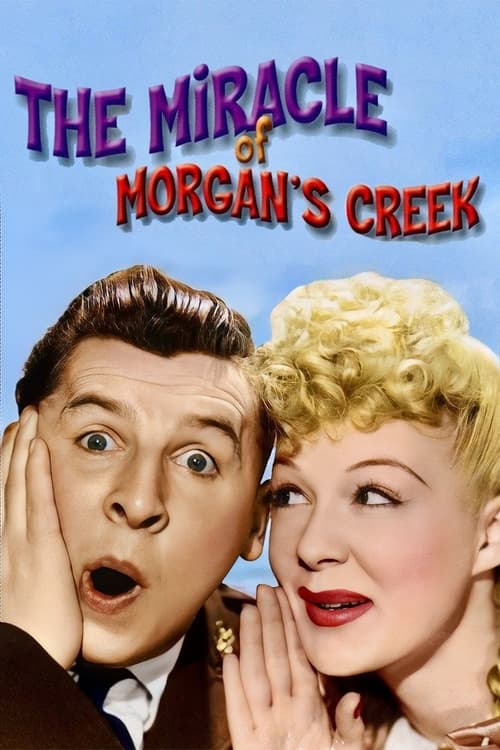
The Miracle of Morgan's Creek
1944
No user ratings available yet
Representation score: 4.4 out of 10
Representation Score
Limited
1941
NRDirector
David Butler
Runtime
82 minutes
Average Rating
No ratings yetNew Showbiz Analysis
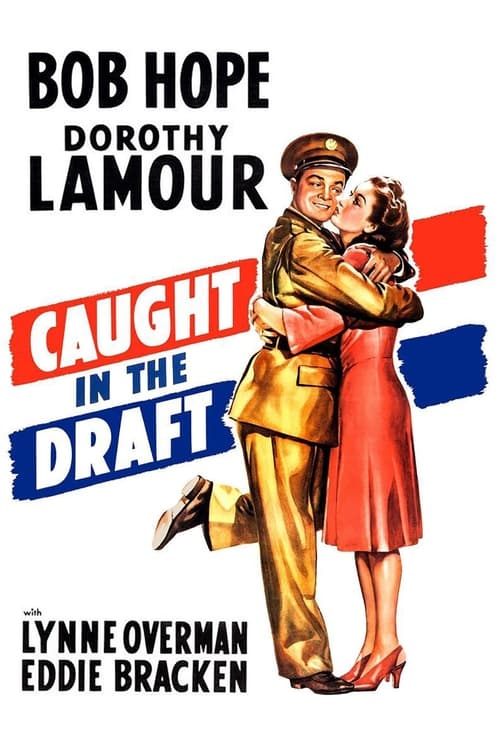
Caught in the Draft is a quintessential product of the 1941 studio system, prioritizing escapist comedy over social complexity. The narrative relies on established formulas, focusing on a male lead's slapstick military journey and a conventional romantic resolution. While the film offers lighthearted entertainment, it lacks depth in representing diverse perspectives or challenging the status quo. Ultimately, it functions as a standard genre piece, reinforcing traditional gender roles and cultural norms.
Category Breakdown
The film focuses on a traditional romantic storyline between a male protagonist and a female love interest, reinforcing the heterosexual norms typical of the era's comedies.
The story revolves around the male protagonist's journey from avoiding the draft to enlisting. The female lead primarily serves as an emotional catalyst rather than having a significant role in driving the plot.
The film likely reflects the homogeneous casting practices of 1941. It appears to align with the era's tendency toward Anglo-centric representation without evidence of a multi-ethnic ensemble.
The narrative uses the military and patriotism as a backdrop for slapstick comedy, reinforcing social stability without critiquing Western institutions such as the state or religion.
The protagonist's sensitivity to loud noises is used mainly as a comedic quirk, with no deeper exploration of neurodivergence or sensory disabilities.
Present on Screen
Limited or Absent
Official Synopsis
Don Bolton is a movie star who can't stand loud noises. To evade the draft, he decides to get married...but falls for a colonel's daughter. By mistake, he and his two cronies enlist. In basic training, Don hopes to make a good impression on the fair Antoinette and her father, but his military career is largely slapstick. Will he ever get his corporal's stripes?
1944
1939
1943
1945
1962
1949

1952

1988
No reviews yet. Be the first to share your thoughts on this movie!
Use the rating form above to leave a star rating and optional review.