The Tramp's Unexpected Skate
1901
No user ratings available yet
Representation score: 4.7 out of 10
Representation Score
Minimal
1904
Director
Edwin S. Porter
Runtime
2 minutes
Average Rating
No ratings yetNew Showbiz Analysis
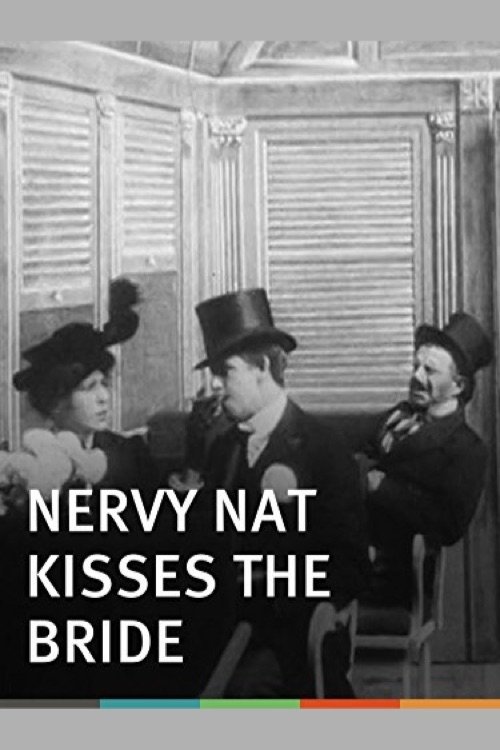
This 1904 short operates as a foundational piece of slapstick comedy, adhering closely to the social norms of its time. The narrative hinges on disrupting a conventional wedding to generate humor, rather than providing any substantial critique of societal norms. The film lacks depth in representing diverse identities, presenting a homogeneous demographic profile. It employs established social rituals as comedic elements rather than delving into varied perspectives or critical examinations. Overall, the work is reflective of its historical context, emphasizing visual storytelling and comedic mechanics over inclusive narratives.
Category Breakdown
The film centers around a traditional wedding and does not include any non-straight or non-cisgender identities or intimate relationships between people of the same sex.
Female characters mainly serve as objects of pursuit or triggers for slapstick humor. The bride has limited independence, as the plot revolves around the male protagonist’s antics.
The cast mirrors the homogeneous demographics typical of the early 1900s. There are no characters of color driving the narrative.
The story uses a wedding as a stable setting for comedic chaos. It does not question Western social structures or religious institutions.
There is no verifiable evidence regarding the portrayal of physical or neurodivergent disabilities in this short.
Present on Screen
Limited or Absent
Official Synopsis
A tramp gets involved in mischief on a train.
1901

1923
1904
1908
1906
1917

1909
1903
No reviews yet. Be the first to share your thoughts on this movie!
Use the rating form above to leave a star rating and optional review.