Addition and Subtraction
1900
No user ratings available yet
Diversity score: 3.8 out of 10
1903
Director
Georges Méliès
Runtime
3 minutes
Average Rating
No ratings yetSynopsis
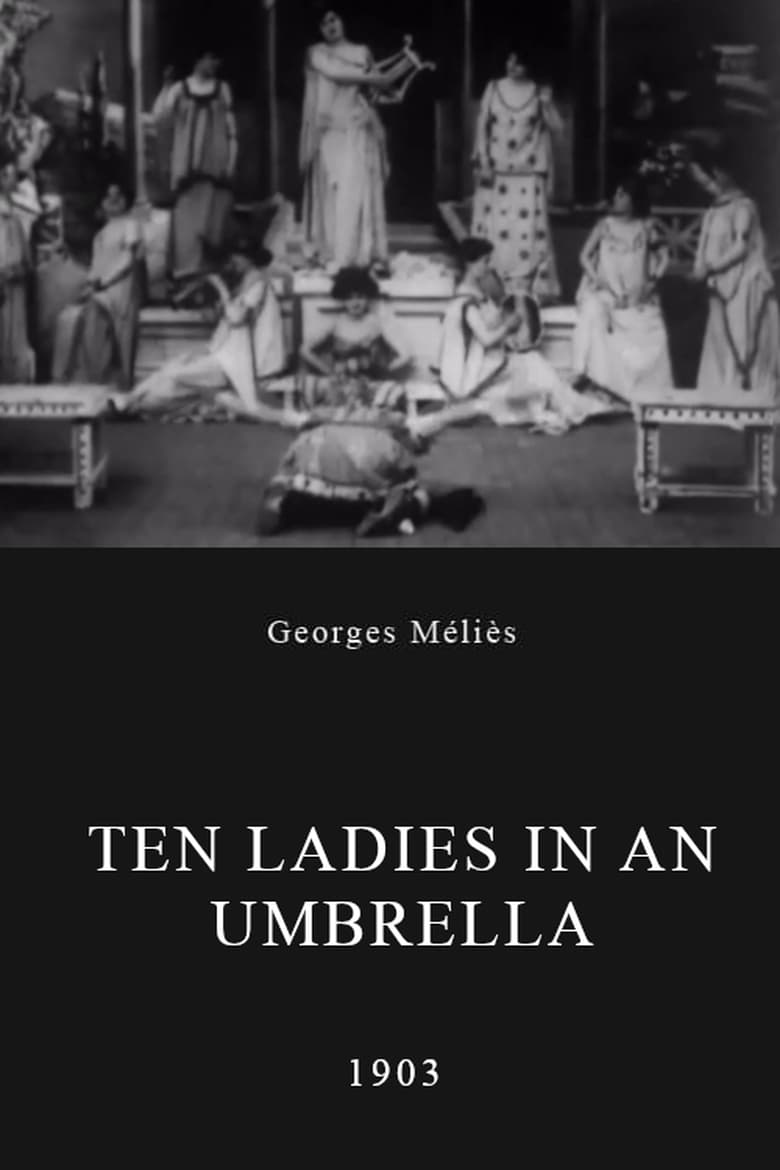
The scene is similar to that seen at Coney Island, where a number of shows are constantly going on.
Overall Score
Limited
Category Breakdown
LGBTQ+ Representation
The film lacks explicit evidence of non-heteronormative identities or queer narratives. The focus remains on visual spectacle and group dynamics rather than sexual orientation.
Gender Representation
By centering ten women sharing a single umbrella, the film creates a female-centric spectacle. This collective movement offers a departure from the male-dominated gaze common in early cinema.
Racial & Ethnic Diversity
The production reflects the homogeneous demographic norms of early 20th-century French cinema. There is no documented evidence of ethnic diversity or race-bent casting in this short.
Religious & Cultural Diversity
The film utilizes fantasy to move away from strict social realism. Its emphasis on the absurd suggests a playful, secular departure from the rigid moralism of contemporary stage plays.
Disability Representation
There is no evidence that characters with physical or neurodivergent disabilities are central to the narrative or used as plot devices.
Strengths
Areas for Improvement
AI Analysis
Georges Méliès uses surrealism and visual trickery to disrupt traditional narrative realism. While the film is constrained by the demographic norms of 1903, it succeeds in shifting the cinematic focus toward a female ensemble. The work functions as early cinematic escapism. It prioritizes the fantastical over social realism, providing a playful alternative to the era's more rigid moralistic entertainment. Ultimately, the film's diversity is limited by its historical context, yet it offers a meaningful departure from solo-protagonist structures by centering a group of women.
1900
1900

1903
1900
1906
1904
1905
1903
1897
1899
1899
1901
No reviews yet. Be the first to share your thoughts on this movie!
Use the rating form above to leave a star rating and optional review.