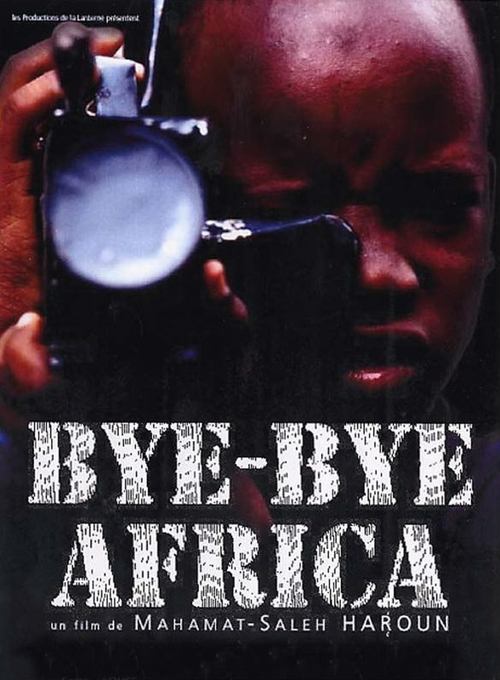
Bye Bye Africa
1999
No user ratings available yet
Diversity score: 6.6 out of 10
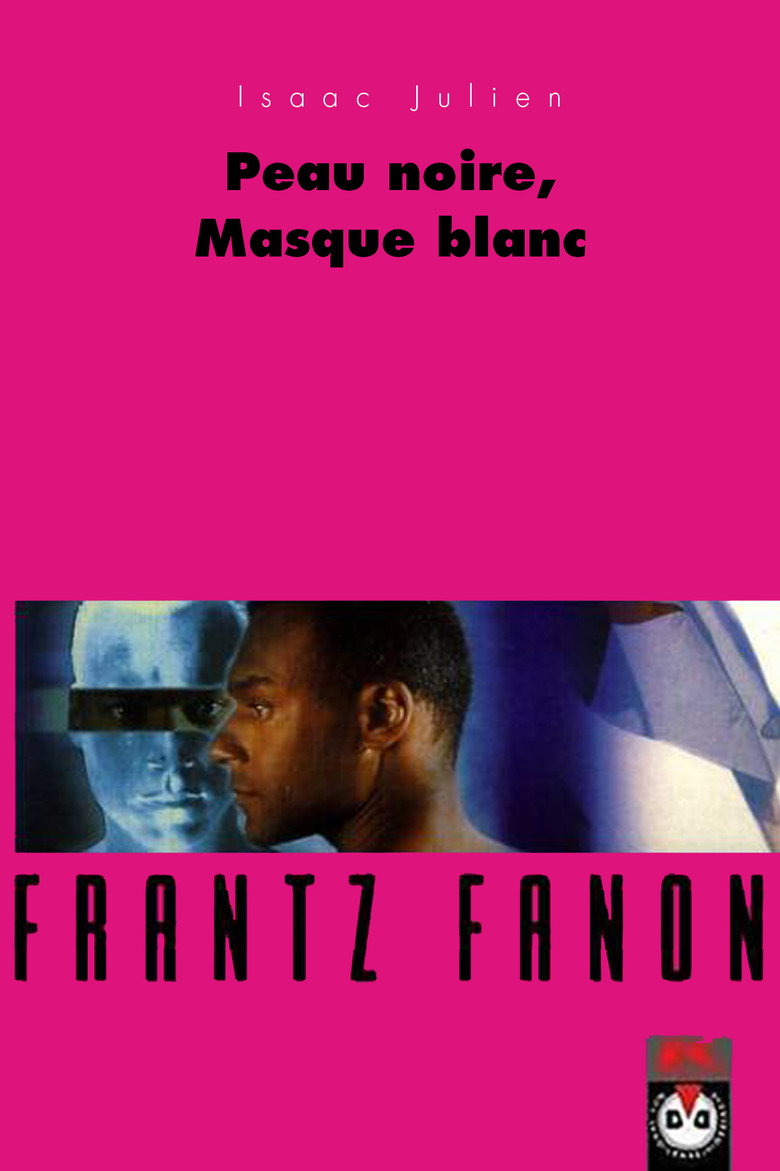
1996
Director
Isaac Julien
Runtime
70 minutes
Average Rating
No ratings yetSynopsis
Explores the life and work of the psychoanalytic theorist and activist Frantz Fanon who was born in Martinique, educated in Paris and worked in Algeria. Examines Fanon's theories of identity and race, and traces his involvement in the anti-colonial struggle in Algeria and throughout the world.
Overall Score
Excellent
Category Breakdown
LGBTQ+ Representation
The film lacks explicit depictions of queer identity or same-sex intimacy. While its themes of identity performativity allow for theoretical queer readings, no specific non-cisnormative narratives are centered.
Gender Representation
The film disrupts traditional gender hierarchies by examining how colonial power affects the psyche across gender lines. It avoids centering a singular masculine hero, focusing instead on systemic impacts.
Racial & Ethnic Diversity
This work excels by centering the African diaspora and Black agency. Through archival footage and reenactments, it places the anti-colonial struggle at the heart of the cinematic experience.
Religious & Cultural Diversity
The film offers a rigorous critique of Western institutional hegemony and colonial capitalism. It frames the dismantling of Western norms as a necessary step toward psychological liberation.
Disability Representation
As a theoretical and archival essay film, there are no specific depictions of physical or neurodivergent disabilities to evaluate.
Strengths
Areas for Improvement
AI Analysis
Isaac Julien’s documentary is a sophisticated deconstruction of the colonial gaze. It prioritizes the reclamation of agency for marginalized peoples, moving far beyond simple inclusion to center the Black experience and anti-colonial struggle. The film's strength lies in its intellectual depth and its ability to visualize complex theories of identity. It successfully challenges Eurocentric perspectives by framing decolonization as a psychological necessity. However, the film's experimental and theoretical nature means it lacks specific on-screen representations of LGBTQ+ identities or disabilities. It functions more as a philosophical meditation than a character-driven narrative.
1999
1959

2014
2001
No reviews yet. Be the first to share your thoughts on this movie!
Use the rating form above to leave a star rating and optional review.