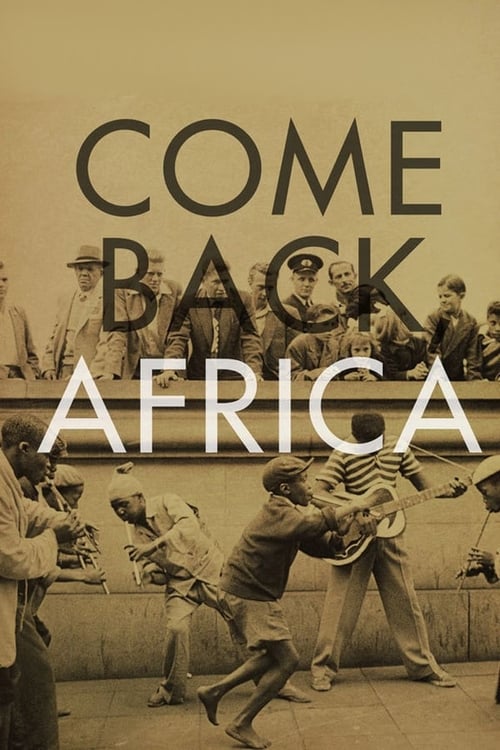
Come Back, Africa
1959
No user ratings available yet
Diversity score: 6.5 out of 10
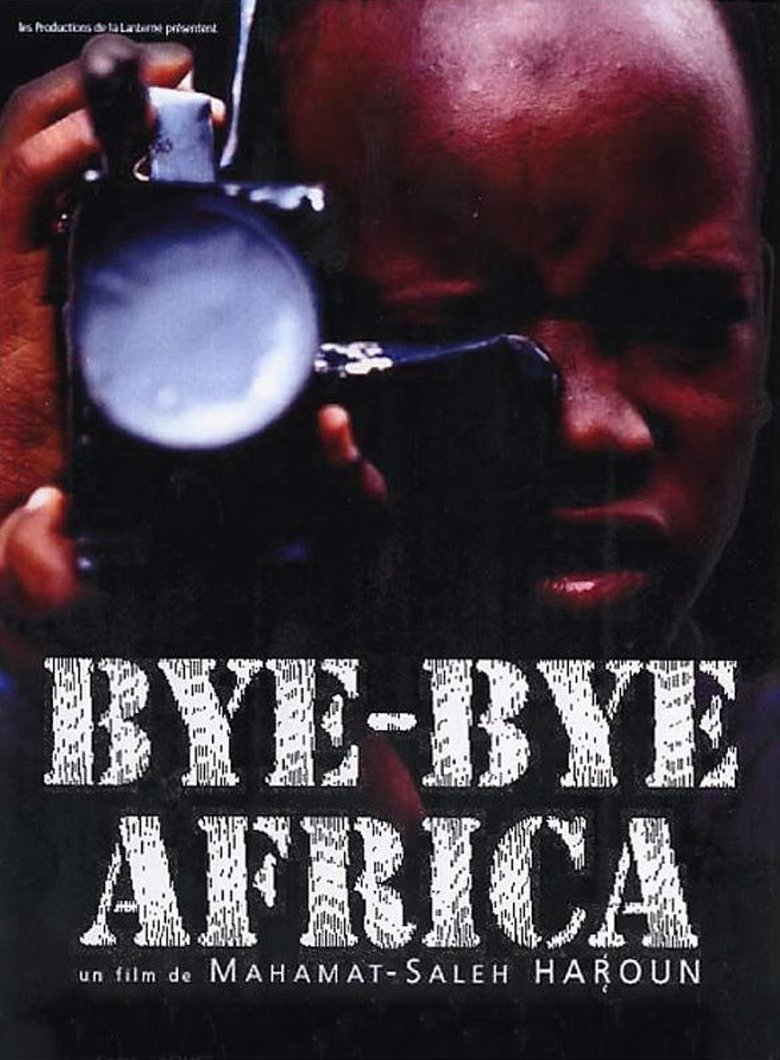
1999
Director
Mahamat-Saleh Haroun
Runtime
86 minutes
Average Rating
No ratings yetSynopsis
A Chadian film director who lives and works in France (Haroun) returns home upon the death of his mother. He is shocked at the degraded state of the country and the national cinema. The filmmaker decides to make a film dedicated to his mother.
Overall Score
Good
Category Breakdown
LGBTQ+ Representation
The film lacks explicit LGBTQ+ characters or narratives. The focus remains on traditional familial bonds and immediate survival amidst civil conflict, leaving little room for queer identity exploration.
Gender Representation
Women are depicted as essential navigators of systemic crisis rather than helpless tropes. The maternal figure, in particular, serves as a central pillar of agency and household continuity.
Racial & Ethnic Diversity
The film provides exceptional authenticity by utilizing an all-Chadian cast. It avoids Western exoticism by centering the specific socio-political realities of N'Djamena through a localized lens.
Religious & Cultural Diversity
The narrative offers a sophisticated post-colonial critique, portraying military and state institutions as sources of tension. It highlights how political power struggles fragment traditional social orders.
Disability Representation
There are no prominent depictions of physical or neurodivergent disabilities. While the film explores the psychological toll of conflict, disability is not a central plot device.
Strengths
Areas for Improvement
AI Analysis
Bye Bye Africa succeeds as a powerful corrective to the Western gaze, offering a grounded and culturally specific portrayal of Chadian life. By centering a localized cast and setting, the film avoids the pitfalls of exoticism and provides a self-contained reality that honors the complexity of its environment. The film's strength lies in its nuanced deconstruction of the state, framing survival as a response to institutional instability rather than a simple struggle against nature. This sophisticated approach to post-colonial identity elevates the work beyond mere documentary. However, the film's narrow focus on survival and traditional structures results in minimal representation for LGBTQ+ identities and specific disability narratives. While these omissions reflect the depicted social landscape, they limit the breadth of the film's social spectrum.
1959
2004
2023
2009

2009

2013
2015
2008
2020

2018
No reviews yet. Be the first to share your thoughts on this movie!
Use the rating form above to leave a star rating and optional review.