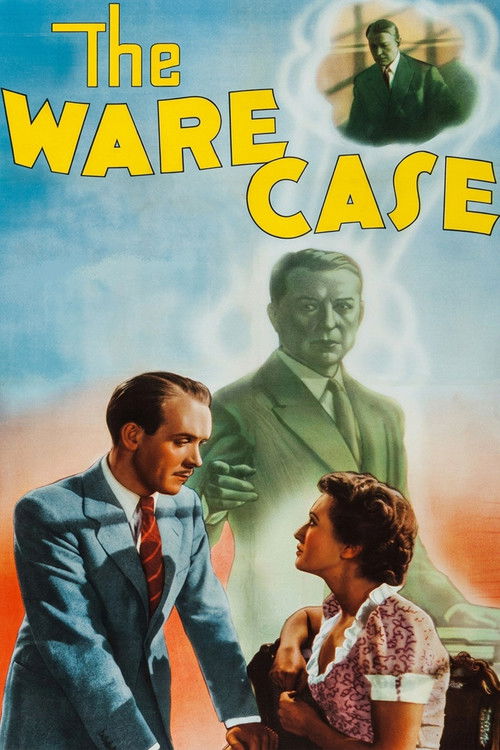
The Ware Case
1938
No user ratings available yet
Representation score: 1.6 out of 10
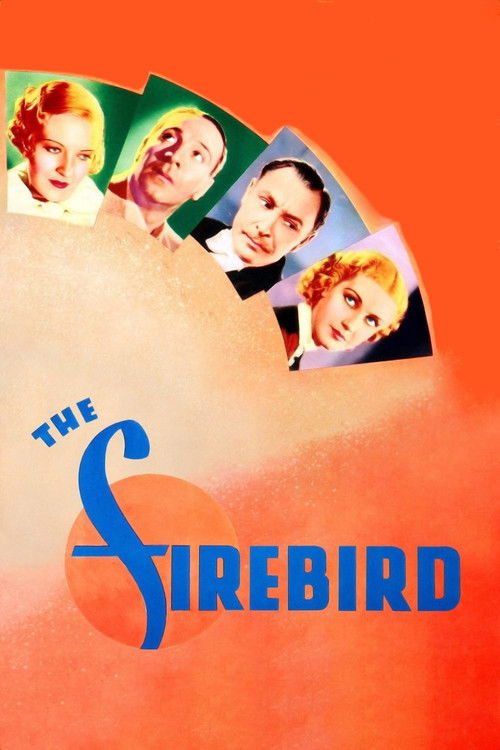
Representation Score
Minimal
1934
NRDirector
William Dieterle
Runtime
74 minutes
Average Rating
No ratings yetNew Showbiz Analysis
The Firebird is a period-typical mystery drama that reinforces the social and cultural norms of 1934. The narrative centers on individual misconduct and legal consequences rather than systemic issues. The film lacks intentionality in challenging traditional hierarchies. It relies on standard dramatic conventions of the early sound era, resulting in a homogeneous cast and traditional character dynamics. Ultimately, the work functions as a standard investigation of a murder, offering little in the way of diverse representation or social critique.
Category Breakdown
The film follows a traditional romantic storyline typical of the 1930s. There are no visible queer subtexts or non-conforming gender identities present in the character dynamics.
Female characters like Carola resist predatory behavior, showing ability to act, but the film upholds established social hierarchies. It does not actively challenge traditional gender roles.
The production features a predominantly white cast, reflecting the homogeneous casting standards of the era. There is no evidence of ethnic diversity or multi-layered casting.
The narrative operates within a traditional framework of morality and social order. It lacks critiques of Western institutions or the use of identity-based perspectives to address systemic issues.
There is no evidence of characters with visible or invisible disabilities. No such characters appear as part of the plot or character development.
Present on Screen
Limited or Absent
Official Synopsis
Herman Brandt, a handsome but overly conceited actor, lives in the same apartment building in Vienna as Carola and John Pointer and their 18-year-old daughter Mariette. One day, as Carola leaves the building, Brandt catches her in the stairwell and proposes she "visit" him at his apartment after everyone has gone to bed. Shocked and offended at his brazenness, she complains to the building manager, who orders Brandt to leave. He refuses, so the Pointers decide that they will move out instead. While they're packing, the police show up at their apartment with some bad news--Brandt has been found murdered, shot in the head. Inspector Muller, the detective investigating the murder, discovers that there is more to this case than meets the eye.
1938
1947
1934

1944
1954
1940
1933
1954
No reviews yet. Be the first to share your thoughts on this movie!
Use the rating form above to leave a star rating and optional review.