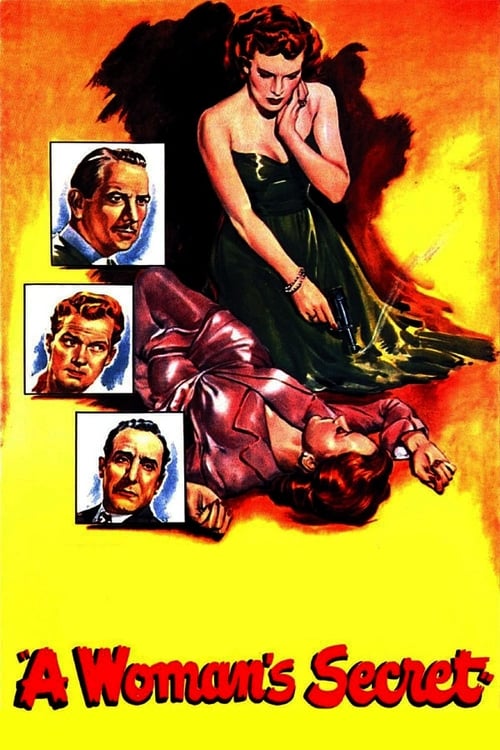
A Woman's Secret
1949
No user ratings available yet
Representation score: 2.1 out of 10
Representation Score
Minimal
1954
ApprovedDirector
Nunnally Johnson
Runtime
95 minutes
Average Rating
No ratings yetNew Showbiz Analysis
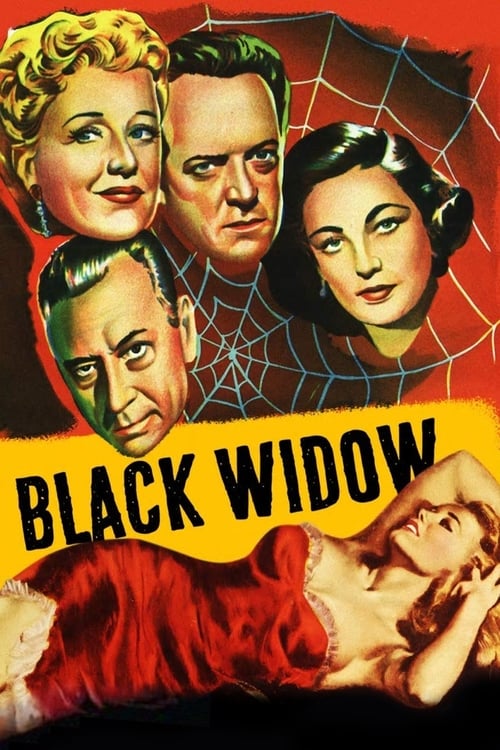
Black Widow is a classic product of the mid-century studio era, prioritizing traditional narrative structures over social critique. The film focuses strictly within a white, straight-centered framework that mirrors the era's social hierarchies. While the film offers a central role for a woman, it does so through a lens of scrutiny and legal vulnerability. This reinforces rather than challenges the period's gendered power dynamics. Ultimately, the production lacks multi-layered complexity. It functions as a standard mystery that avoids engaging with racial, cultural, or disability-related diversity.
Category Breakdown
The film does not include any LGBTQ+ characters or non-straight identities. It follows traditional romantic structures typical of the mid-1950s.
Joan Bennett plays a central role, but her character is defined by her vulnerability to male authority. This reinforces the gendered power dynamics of the time.
The film features a homogeneous cast typical of the era's studio system. There is no evidence of non-white or non-Anglo-Saxon representation.
The story adheres to standard mid-century American values, emphasizing legal institutions and traditional domesticity. It functions as a conventional mystery within established moral frameworks.
There is no documentation of characters with visible or invisible disabilities. The narrative does not address neurodivergence or chronic illness.
Present on Screen
Limited or Absent
Official Synopsis
When a young stage hopeful is found dead, suspicion falls on her mentor, a successful Broadway producer.
1949
1950
1934
1954
1934

1944

1943
1944
No reviews yet. Be the first to share your thoughts on this movie!
Use the rating form above to leave a star rating and optional review.