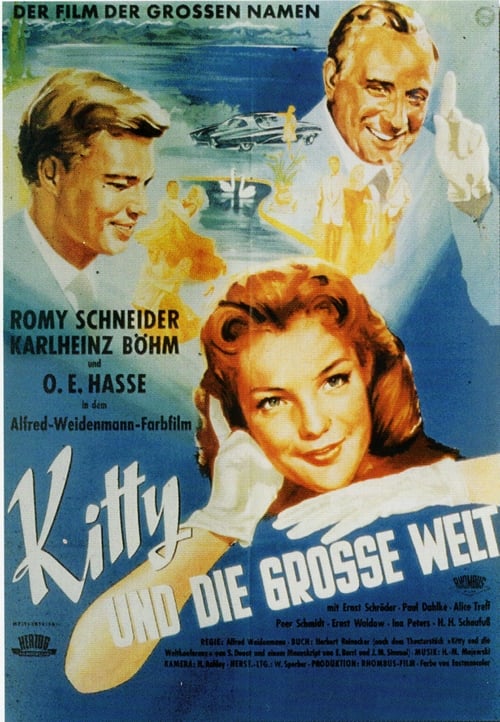
Kitty and the Great Big World
1956
No user ratings available yet
Diversity score: 2.5 out of 10
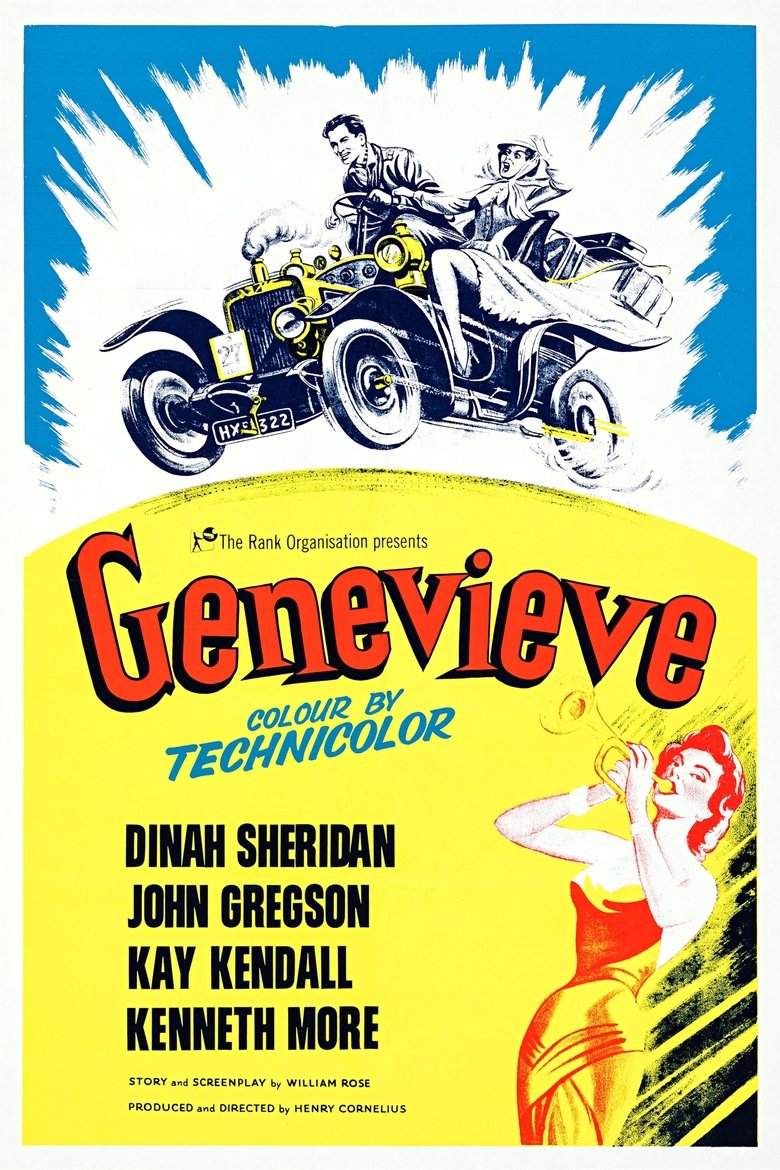
1953
ApprovedDirector
Henry Cornelius
Runtime
86 minutes
Average Rating
No ratings yetSynopsis
Two friends driving in the London to Brighton vintage car rally bet on which of them will be the first to arrive back home.
Overall Score
Limited
Category Breakdown
LGBTQ+ Representation
The film adheres to the strict social constraints of the early 1950s. It focuses on heteronormative romantic tensions without any evidence of non-cisnormative identities.
Gender Representation
Female characters occupy central roles, particularly within a convent setting. However, their agency is often framed through traditional feminine archetypes and conventional romantic pursuits.
Racial & Ethnic Diversity
The production reflects the demographic norms of 1950s Britain. It features a largely homogeneous cast and lacks intersectional racial depth or intentional diversity.
Religious & Cultural Diversity
The narrative engages with religious life through a lighthearted musical lens. It reinforces established social and religious frameworks rather than critiquing them.
Disability Representation
There are no prominent depictions of visible or invisible disabilities. Characters function within standard physical and neurotypical parameters.
Strengths
Areas for Improvement
AI Analysis
Genevieve is a quintessential product of mid-century British cinema, prioritizing traditional comedic structures over social subversion. While it provides a platform for female characters, their roles remain tethered to the era's conventional romantic and religious archetypes. The film lacks intentionality regarding racial or LGBTQ+ representation, reflecting the homogeneous social environment of 1950s Britain. It functions as a culturally specific piece that reinforces established Western institutional values rather than challenging them.
1956
1963
1957

1961

1935

1949
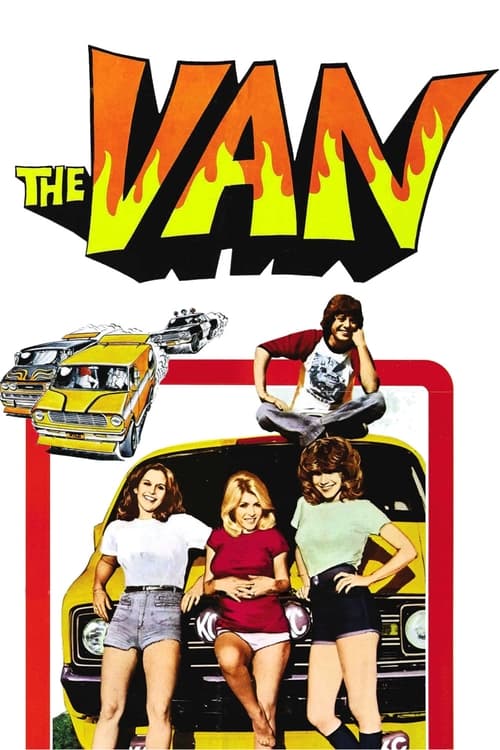
1977
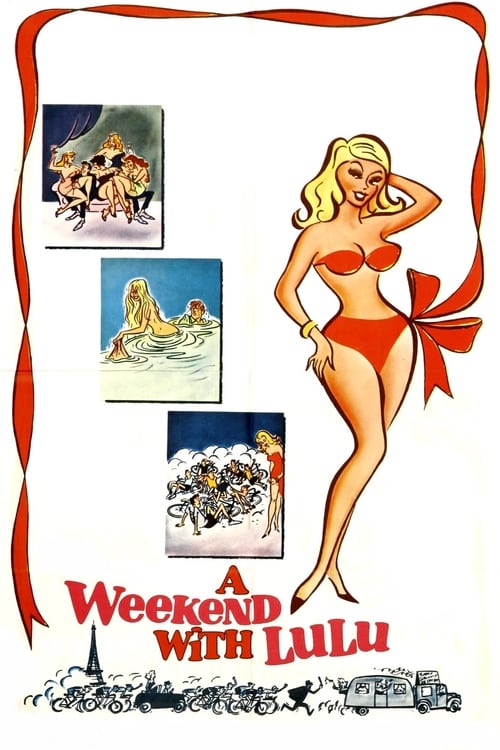
1961
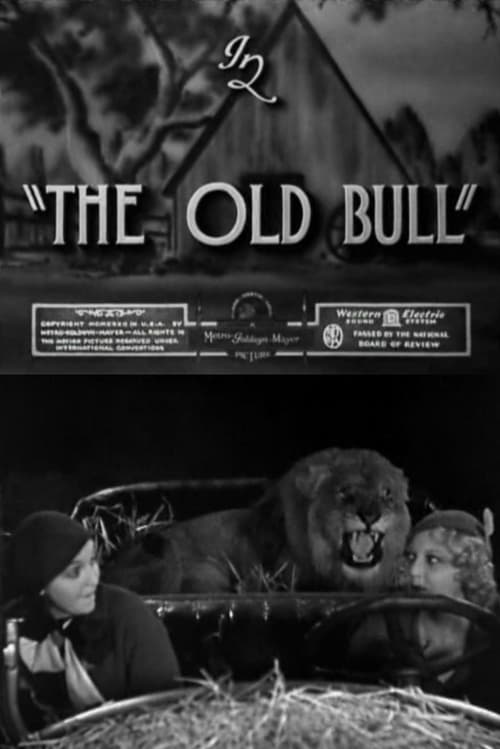
1932
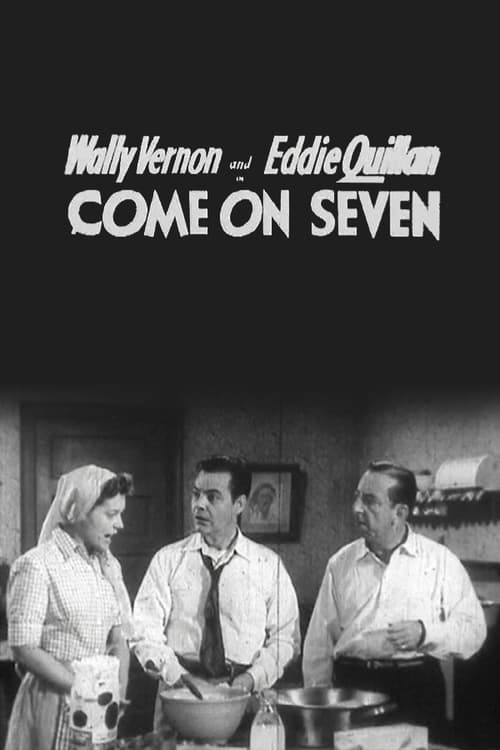
1956
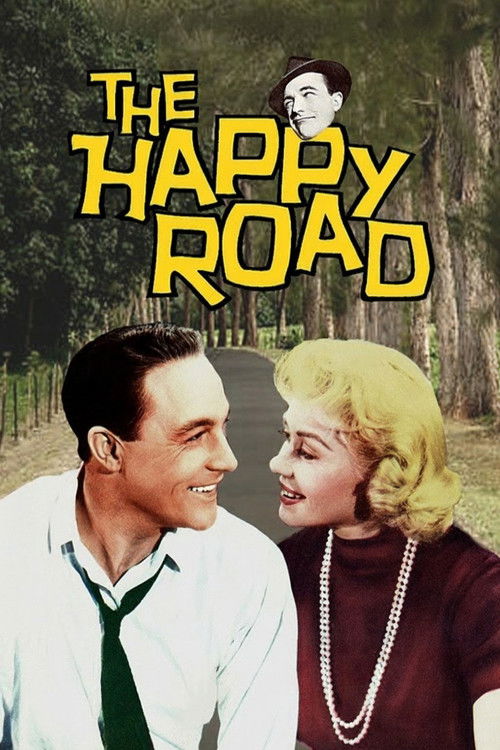
1957

1964
No reviews yet. Be the first to share your thoughts on this movie!
Use the rating form above to leave a star rating and optional review.