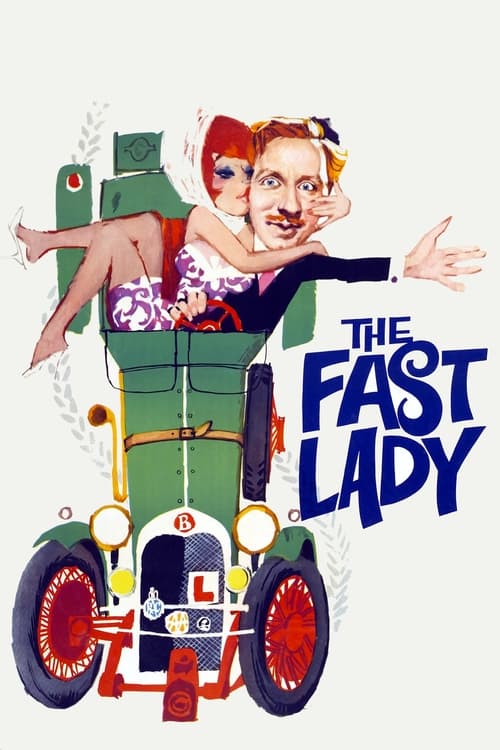
The Fast Lady
1962
No user ratings available yet
Representation score: 0.6 out of 10
Representation Score
Minimal
1963
Director
Gerald Thomas
Runtime
98 minutes
Average Rating
No ratings yetNew Showbiz Analysis
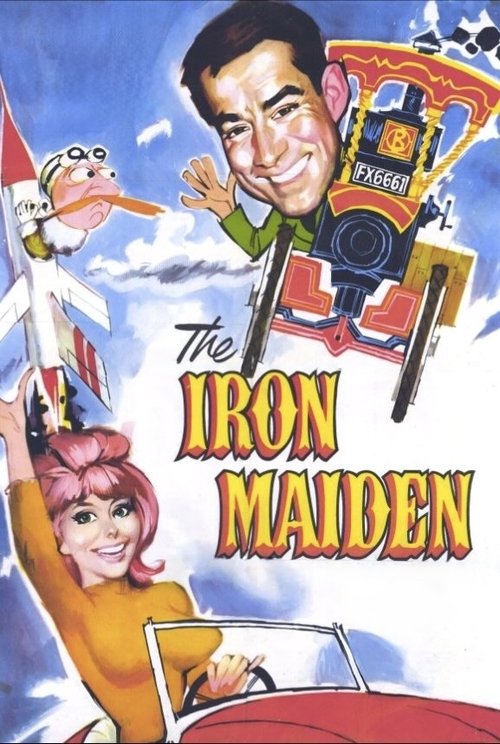
The Iron Maiden is a conventional mid-century comedy that adheres to the social hierarchies of its era. The narrative structure relies heavily on traditional masculine archetypes, focusing on the bond between two men through mechanical interests. Demographically, the film lacks diversity, reflecting the homogeneous environment typical of 1960s British cinema. It prioritizes themes of class reconciliation and personal friendship over any systemic subversion or cultural critique. Ultimately, the film reinforces standard social and demographic structures rather than challenging them.
Category Breakdown
The film adheres to a traditional social structure typical of 1960s British cinema, with no evidence of LGBTQ+ characters or non-conforming gender identities.
The narrative centers around male protagonists and masculine labor roles. Female characters like Kathy serve more as plot devices than as agents of change.
The setting suggests a homogeneous social environment, reflecting the era's standard of demographic uniformity without evidence of a multi-ethnic cast.
The story highlights traditional British interests such as steam rallies and mechanical engineering, emphasizing social cohesion and class reconciliation through shared hobbies.
An injured fireman appears as a functional plot necessity to initiate the journey. There is no evidence of a character study focusing on disability.
Present on Screen
Limited or Absent
Official Synopsis
The film follows Jack Hopkins, an aircraft designer with a passion for traction engines. His boss is eager to sell a new supersonic jet plane that Jack has designed to American millionaire Paul Fisher. The first encounter between Fisher and Jack goes badly, and tensions only heighten after Fisher's daughter Kathy damages Jack's prize traction engine "The Iron Maiden", rendering it impossible to drive solo. Jack is desperate to enter the annual Woburn Abbey steam rally with the machine, but his fireman is injured and unable to participate. When all seems lost the millionaire himself is won over by Jack's plight and joins him in driving the engine; the two soon become firm friends.
1962
1971
1953
1977
1963
1965
1953
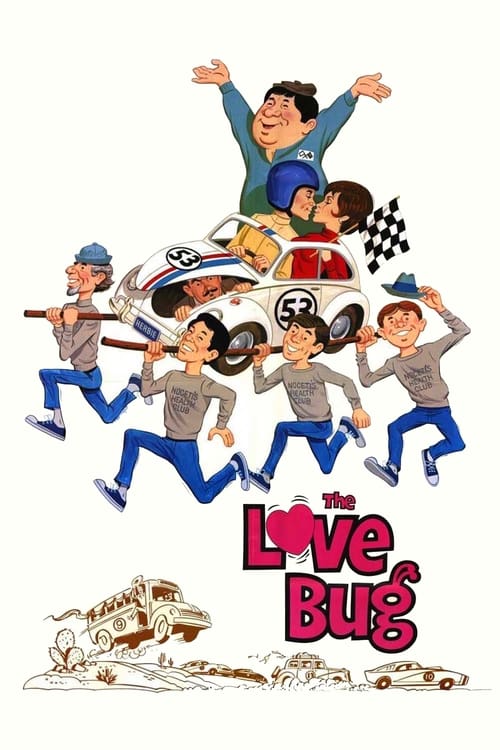
1968
No reviews yet. Be the first to share your thoughts on this movie!
Use the rating form above to leave a star rating and optional review.