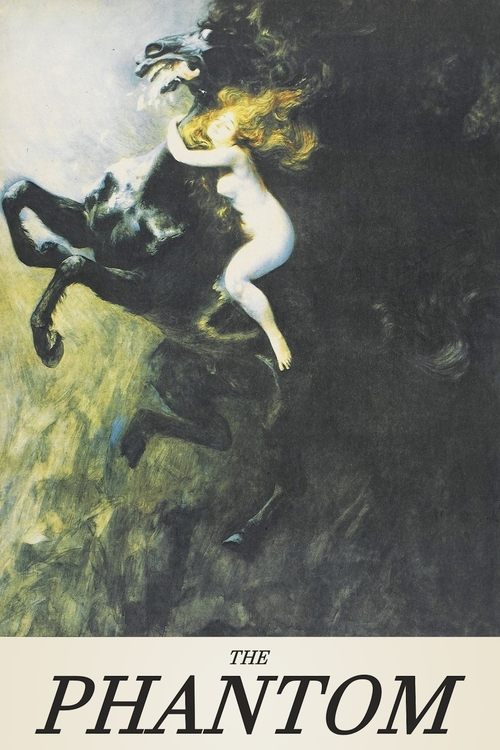
The Phantom
1984
No user ratings available yet
Representation score: 7.1 out of 10

Representation Score
Good
1971
PGDirector
Juraj Herz
Runtime
101 minutes
Average Rating
No ratings yetNew Showbiz Analysis
Juraj Herz employs the Czechoslovak New Wave style to deconstruct social norms. The film successfully shifts power dynamics by presenting a passive male lead against a vibrant female protagonist. This dynamic offers a sophisticated critique of historical social structures. However, the film remains constrained by its historical setting, featuring a largely homogeneous cast. It lacks explicit LGBTQ+ representation, relying instead on subtle hints regarding character motivations. Ultimately, the film's strength lies in its critique of military and capitalist institutions. It prioritizes breaking down traditional values over reinforcing established social hierarchies.
Category Breakdown
The film centers on a marriage between Stepha and Paul, which is oriented toward straight relationships. While Paul's behavior suggests underlying issues with masculinity, there is no explicit depiction of LGBTQ+ identities.
Stepha is a lively protagonist who challenges traditional gender roles. Paul's passive and inadequate behavior subverts the typical image of a capable male leader.
Set in 1900 within the Austro-Hungarian Empire, the cast appears largely homogeneous. There is no significant non-white representation in the main storyline.
The film critiques the stability of the Austro-Hungarian social order. By focusing on the decay of a wealthy household, it challenges traditional notions of honor and family.
Paul’s declining health drives the plot. His physical vulnerability is central to the story, subverting traditional expectations of masculine strength.
Present on Screen
Limited or Absent
Official Synopsis
In 1900, Stepha, the vivacious 30 year old daughter of a wealthy couple, agrees to marry her cousin Paul, who has accumulated large debts as an Austrian army officer. Paul refuses to work or to consummate the marriage, and then his health steadily declines.
1984
1989
2000

1950
1978
1979
1968
1971
No reviews yet. Be the first to share your thoughts on this movie!
Use the rating form above to leave a star rating and optional review.