Dunia
2006
No user ratings available yet
Representation score: 6.5 out of 10
Representation Score
Good
2011
Director
Susan Youssef
Runtime
78 minutes
Average Rating
No ratings yetNew Showbiz Analysis
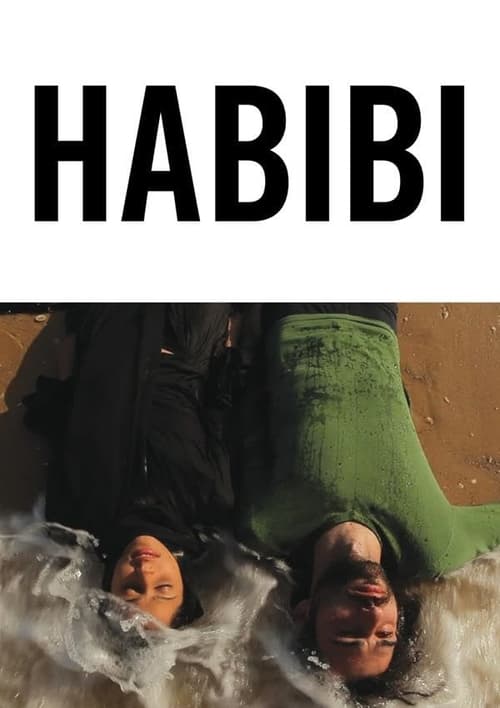
Habibi succeeds as a sophisticated reimagining of the Majnun Layla parable, transposing ancient themes onto the modern geopolitical realities of Palestine. It moves beyond simple inclusion by using personal intimacy to critique systemic fragmentation and territorial division. The film's strength lies in its authentic cultural grounding and its refusal to cater to a Western perspective. By centering Palestinian landscapes and linguistic nuances, it provides a deeply specific and meaningful representation of identity. However, the film remains focused on romantic rebellion rather than explicit identity politics. While it challenges traditional gender and social hierarchies, it does not provide specific representation for LGBTQ+ identities or disabilities.
Category Breakdown
The film explores a romantic relationship that challenges traditional social norms. However, it does not explicitly depict LGBTQ+ identities.
Qays challenges traditional masculine roles by emphasizing poetic vulnerability over physical dominance. The narrative highlights the emotional depth and intelligence of the characters.
The film features a predominantly Middle Eastern cast deeply rooted in Palestinian identity. It avoids the Western perspective by focusing on the lived experiences within the West Bank and Gaza.
The story uses the Majnun Layla parable to address oppressive political boundaries and post-colonial themes. It prioritizes subjective, poetic truth over state-driven morality.
There is no significant evidence regarding the portrayal of physical or neurodivergent disabilities in this work.
Present on Screen
Limited or Absent
Official Synopsis
Two students in the West Bank are forced to return home to Gaza, where their love defies tradition. To reach his lover, Qays graffitis poetry across town. A modern retelling of the famous ancient Sufi parable Majnun Layla.
2006

2005

2005
2009
2011

2004
2004

2008
No reviews yet. Be the first to share your thoughts on this movie!
Use the rating form above to leave a star rating and optional review.