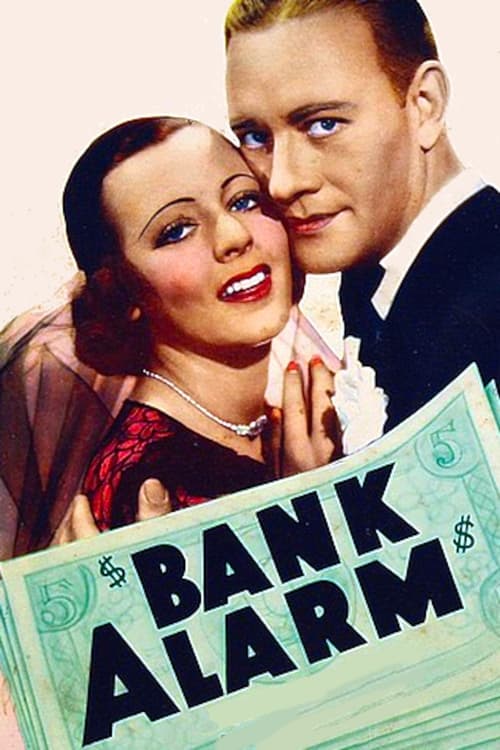
Bank Alarm
1937
No user ratings available yet
Representation score: 1.6 out of 10
Representation Score
Minimal
1939
ApprovedDirector
Arthur Lubin
Runtime
65 minutes
Average Rating
No ratings yetNew Showbiz Analysis
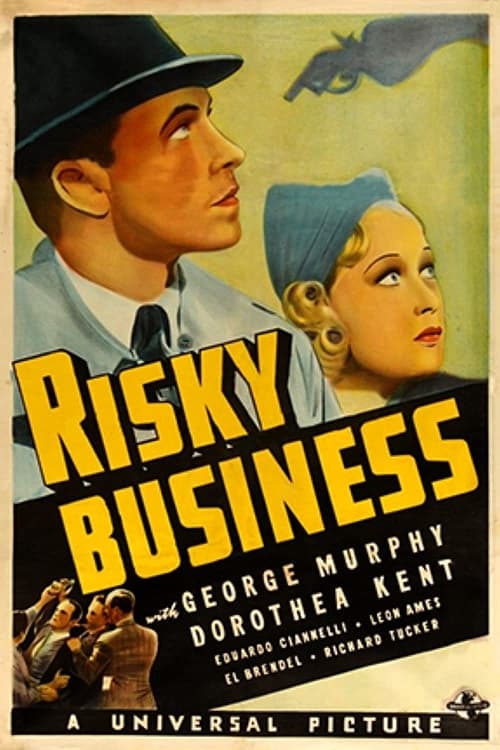
Risky Business is a traditional crime drama that upholds the social norms of 1939. The story centers on a radio commentator trying to rescue a kidnapped girl, emphasizing melodrama over social commentary. The film relies heavily on well-known genre clichés and traditional character types. It lacks diverse representation, offering no meaningful inclusion for underrepresented groups or non-straight relationships. Overall, the film adheres to the conventions of its era, following the standard moral and casting norms without challenging existing social structures.
Category Breakdown
The film does not include any LGBTQ+ characters. It focuses on traditional romantic relationships typical of the 1930s.
The movie features traditional gender roles. A femme fatale adds a layer of female influence, but it is portrayed negatively as a moral issue.
The cast is primarily white with no significant racial or ethnic diversity. This reflects the casting standards of early 20th-century American cinema.
The story follows the moral standards of its time. It focuses on personal moral dilemmas without addressing broader societal issues.
There are no characters with physical, sensory, or neurodevelopmental disabilities in the film.
Present on Screen
Limited or Absent
Official Synopsis
Radio commentator Dan Clifford takes desperate chances to save the life of a young girl who has been kidnapped.
1937
1949
1940
1941
1955
1934

1934
1935
No reviews yet. Be the first to share your thoughts on this movie!
Use the rating form above to leave a star rating and optional review.