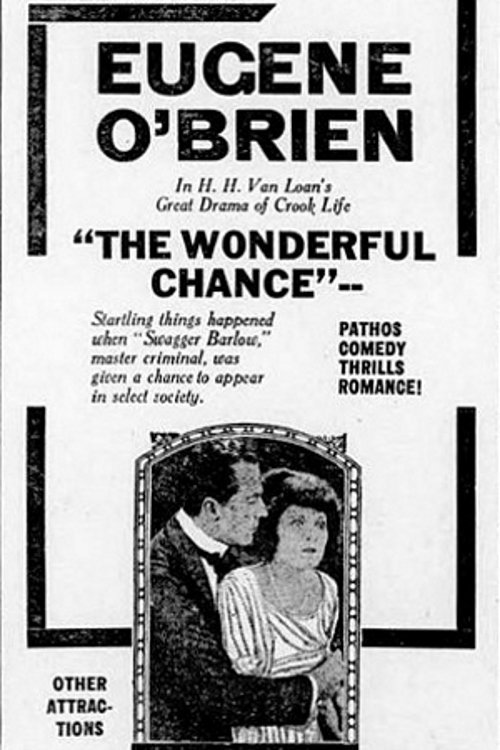
The Wonderful Chance
1920
No user ratings available yet
Representation score: 0.5 out of 10
Representation Score
Minimal
1915
TV-GDirector
Gilbert M. Anderson
Runtime
15 minutes
Average Rating
No ratings yetNew Showbiz Analysis
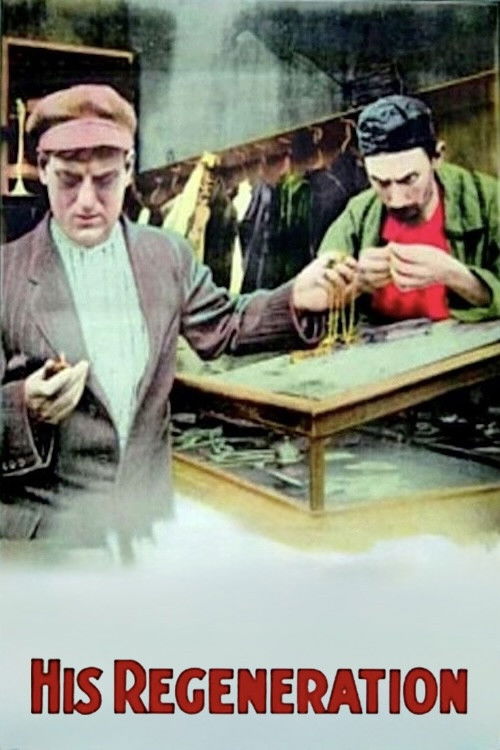
His Regeneration is a product of its era, adhering to the conventional storytelling and moralistic resolutions common in 1915. The film relies on established clichés of crime and redemption, focusing on a singular moral framework rather than systemic critique. The narrative lacks complexity in reflecting multiple aspects of identity. It functions within the standard social and cultural norms of the early 20th century, prioritizing individual character reform over disrupting social hierarchies. While the wealthy female benefactor holds economic power, the film's structure remains centered on the male protagonist's transformation and the traditional domestic roles of other women.
Category Breakdown
The film follows a traditional structure that assumes everyone is straight or cisgender. There are no characters with non-binary or LGBTQ+ identities.
A wealthy woman acts as a catalyst for the male lead's redemption. However, the story remains focused on his journey, while other women play traditional domestic roles.
The film likely reflects the homogeneous casting standards of 1915. It depicts the era's typical white-centric social hierarchies.
The narrative explores individual moral reform and redemption. It upholds traditional Western social structures without challenging them.
There are no characters with visible or invisible disabilities in the narrative or historical context.
Present on Screen
Limited or Absent
Official Synopsis
A rough criminal gets a second chance at life thanks to a kindly (and wealthy) lady saloon patron. But he hasn't gone straight yet, as he and a partner attempt to rob the home of a rich homeowner-- whose wife is asleep in the next room.
1920

1941
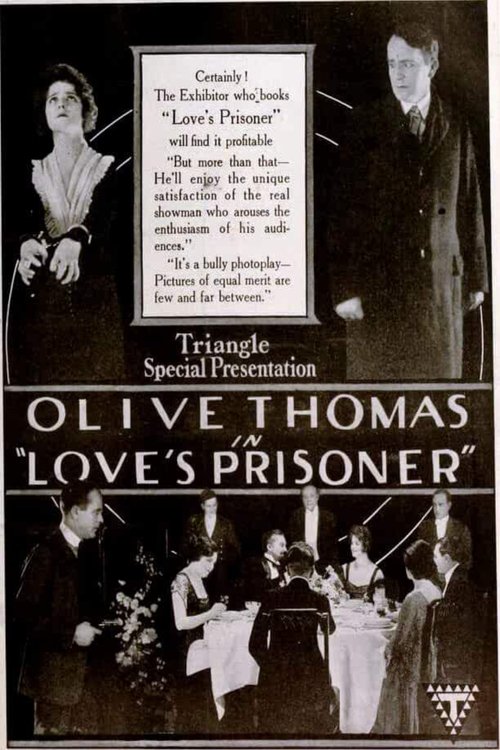
1919
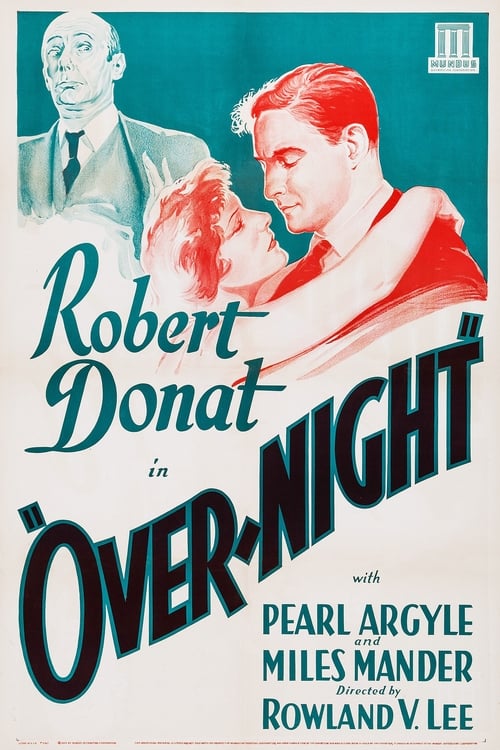
1932

1927
1934

1931

1939
No reviews yet. Be the first to share your thoughts on this movie!
Use the rating form above to leave a star rating and optional review.