Stasi FC
2025
No user ratings available yet
Representation score: 4.5 out of 10
Representation Score
Fair
2004
6Director
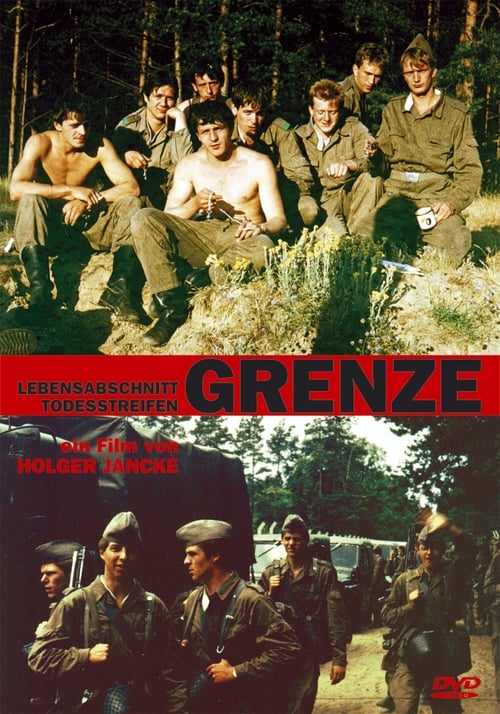
Holger Jancke
Runtime
79 minutes
Average Rating
No ratings yetNew Showbiz Analysis
Grenze serves as a historical reclamation project rather than a study in modern diversity. It prioritizes the subjective experiences of individuals caught within the GDR's restrictive political framework. The film's value lies in its ability to disrupt conventional Cold War narratives. By examining the friction between institutional ideology and human reality, it provides a nuanced view of the border system. However, the documentary remains limited by its specific historical scope. The focus on a predominantly male, ethnically homogeneous military context results in low scores for gender and racial diversity.
Category Breakdown
The film does not include any explicit references to LGBTQ+ characters or stories. It focuses on military service and political tensions without any obvious queer subtext.
The narrative centers on the military service of four young men. This male-focused environment offers no evidence of female empowerment or challenges to traditional gender roles.
The documentary focuses on the ethnically homogeneous population of East Germany. This historical accuracy limits the film’s contemporary diversity.
The film challenges monolithic historical perspectives by contrasting state rhetoric with lived reality. It explores the tension between centralized authority and individual autonomy.
There is no evidence regarding the portrayal of physical or neurodivergent disabilities in this work.
Present on Screen
Limited or Absent
Official Synopsis
In February 1986 they received the call of a fatherland that no longer exists: four young GDR citizens on the verge of adulthood see themselves forced, like so many others in East and West Germany, to do their one and a half years of military service. What is special: Their service area is the border system, an anti-imperialist protective wall according to their superiors, death strips and prison bars for a population incapacitated in naked reality. Now, seventeen years later, there is a reunion with the comrades and the old post. This feature film, which was the first in reunified Germany to deal with the inner workings of the GDR border troops, tells of life on the fence, the associated contradictions and some hot phases in the Cold War.
2025
1999
1994
2015
1992
1965
1992
1991
No reviews yet. Be the first to share your thoughts on this movie!
Use the rating form above to leave a star rating and optional review.