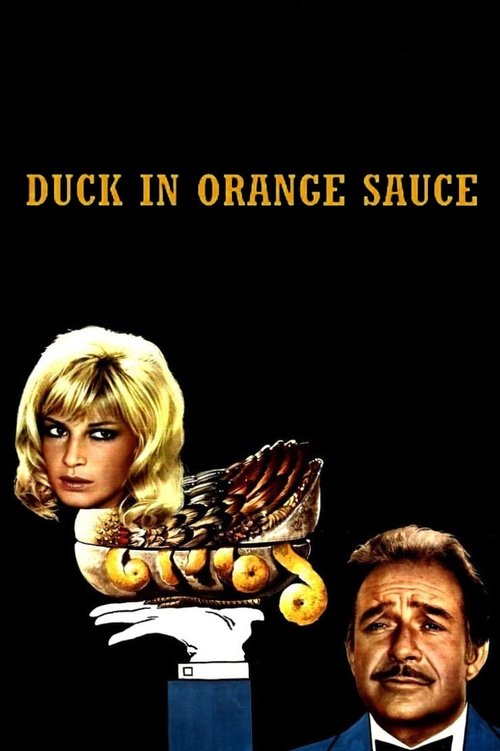
Duck in Orange Sauce
1975
No user ratings available yet
Representation score: 2.9 out of 10

Representation Score
Minimal
1980
Director
Giuliano Carnimeo
Runtime
0 minutes
Average Rating
No ratings yetNew Showbiz Analysis
Lend Me Your Wife is a product of its era, adhering to conventional comedic clichés that prioritize male-centric anxieties. The narrative structure focuses on a man's attempt to protect his financial stability from a returning wife, positioning women as threats to his status rather than independent agents. The film lacks depth in terms of racial, cultural, or LGBTQ+ representation. It functions as a traditional bourgeois comedy centered on domestic complications and individualistic pursuits. Ultimately, the film reflects the demographic and social homogeneity typical of 1980s Italian genre cinema, lacking any significant challenges to social hierarchies.
Category Breakdown
The story revolves around a traditional marital conflict involving a husband, wife, and a lover. There is no representation of non-straight or non-cisgender identities, nor does it critique the assumption that everyone is straight or cisgender.
Female characters seem to act as catalysts for male conflicts rather than having their own choices. The plot centers on the protagonist's concerns about alimony and divorce.
Set in Milan, the film likely mirrors the demographic homogeneity of 1980s Italy. There is no indication of a diverse or non-Anglo-Saxon majority cast.
The narrative explores infidelity and the protection of personal assets. It follows traditional bourgeois storytelling without critiquing Western institutions or capitalism.
The synopsis provides no information regarding characters with visible or invisible disabilities.
Present on Screen
Limited or Absent
Official Synopsis
Alex Fortini, a transplant to Milan, lives behind his lover who owns an advertising agency. When his wife, who had left five years ago, reappears, fearing that she will want to ask him for a divorce and alimony, he unwittingly gets into a lot of trouble.
1975
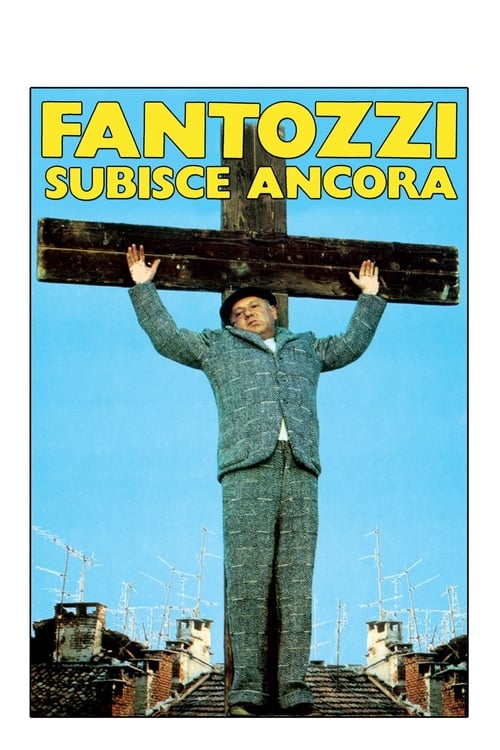
1983

1965
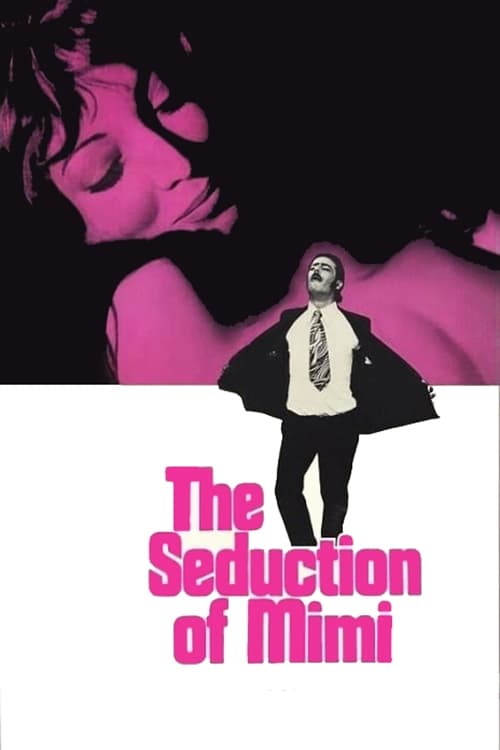
1972

1978
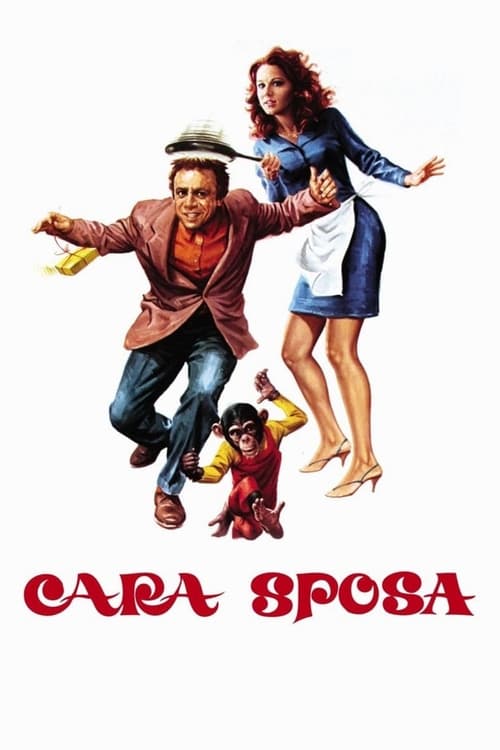
1977
1982
1970
No reviews yet. Be the first to share your thoughts on this movie!
Use the rating form above to leave a star rating and optional review.