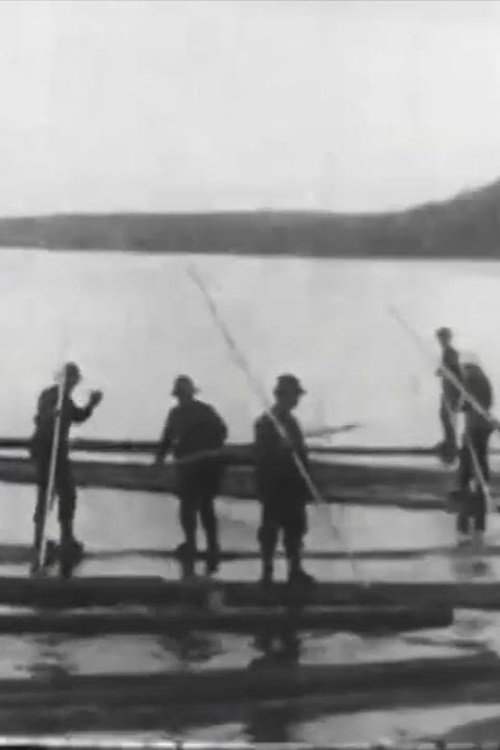
Logging in Maine
1906
No user ratings available yet
Representation score: 0.3 out of 10
Representation Score
Minimal
1930
Director
Alfred Ames, Howard Kahn
Runtime
30 minutes
Average Rating
No ratings yetNew Showbiz Analysis
From Stump to Ship is a technical ethnographic record of the early 20th-century timber industry. It prioritizes the logistical movement of resources and the physical mechanics of manual logging over social complexity. The film reinforces historical hierarchies, presenting a world defined by masculine labor and Western industrial traditions. It lacks any engagement with the overlapping aspects of identity or progressive social frameworks. Ultimately, the documentary functions as a period-specific archive of resource extraction rather than a narrative exploring human diversity.
Category Breakdown
The film focuses entirely on industrial labor and environmental processes. There is no presence of LGBTQ identities or non-binary gender expressions.
Men hold all the narrative ability to act, reflecting a highly traditional and gender-segregated labor environment. The film portrays labor as a rugged, male-dominated endeavor.
The film documents a homogeneous workforce with no indication of diverse ethnic groups. It serves as a record of a specific Western industrial tradition.
The documentary celebrates traditional Western industry and the mastery of nature. It presents the values of industry and perseverance without critiquing established economic systems.
Physical vulnerability is framed only as a byproduct of industrial hazard. There is no nuanced exploration of disability or lived experience with impairment.
Present on Screen
Limited or Absent
Official Synopsis
The long log drive: a spring journey down icy streams and rivers moving logs from the forest to the mill for sawing into boards, laths, and clapboards. For more than 150 years, logging techniques remained the same. Men cut trees by hand and loaded them on horse-drawn sleds to be hauled over snow to the river. Skilled river drivers maneuvered the logs downstream, risking their limbs and lives every day. This film survives as a record of the long log business.
1906

2013
1964
1897

1904

1896
1942
1904
No reviews yet. Be the first to share your thoughts on this movie!
Use the rating form above to leave a star rating and optional review.