Panorama of Machine Co. Aisle
1904
No user ratings available yet
Representation score: 0.2 out of 10
No Poster Available
Representation Score
Minimal
1904
Director
Billy Bitzer
Runtime
3 minutes
Average Rating
No ratings yetNew Showbiz Analysis
This 1904 documentary serves as a technical observation of industrial labor rather than a narrative work. It captures the mechanical efficiency of a streetcar motor room through a moving camera lens. Because the film functions as a historical artifact of early cinema, it lacks the character depth or narrative structure necessary to explore identity. The content is defined by the systemic social constraints and homogeneous demographics of the era. Ultimately, the work reflects the traditional social structures of the early 20th century, focusing on machinery and manual labor rather than human ability to act or diverse representation.
Category Breakdown
The film focuses entirely on industrial machinery and mechanical processes. There are no LGBTQ+ characters or romantic subplots present.
The workplace is depicted as a male-dominated space with no female workers or subversion of traditional gender roles.
The footage reflects the homogeneous labor demographics of the early 20th century. There is no evidence of racial diversity or inclusive casting.
The film documents a structured, capitalist industrial environment within a traditional Western framework, celebrating mechanical progress without critiquing institutional power.
The footage features able-bodied workers performing strenuous physical tasks. There is no depiction of neurodivergence or physical disability.
Present on Screen
Limited or Absent
Official Synopsis
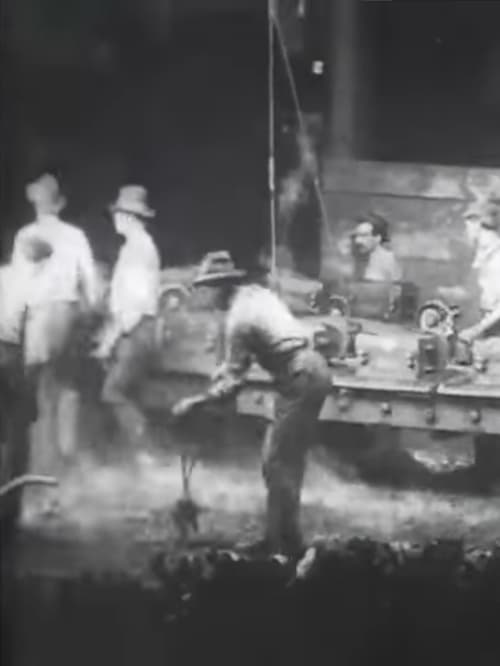
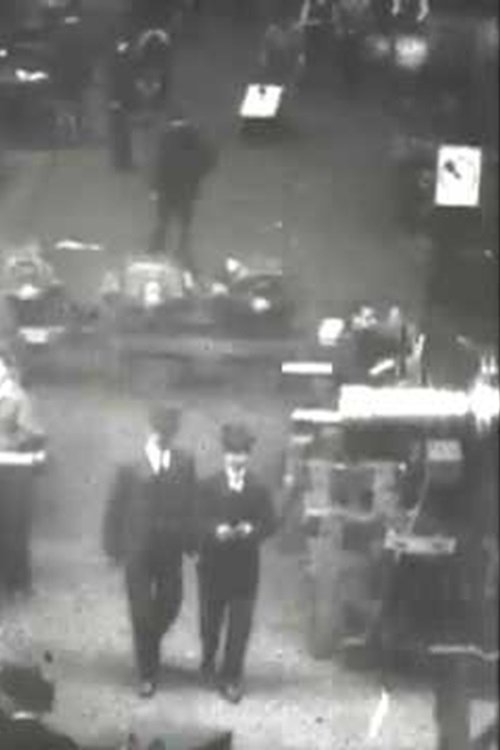
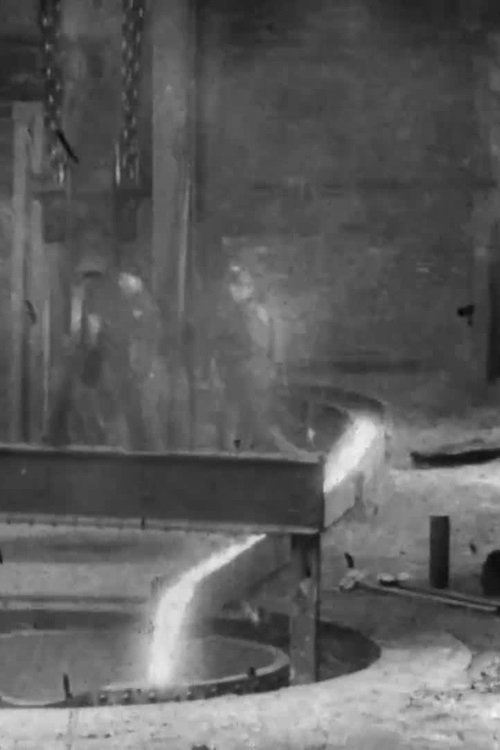
A camera moving forward on an overhead crane gives a traveling view of men working on machinery. Carts carrying parts and pieces of machinery pass by on rails; cranes lift machinery; and men perform their various duties, including hammering objects. (Library of Congress)
1904

1927
1904
1904
1904
1904
1904
1904
No reviews yet. Be the first to share your thoughts on this movie!
Use the rating form above to leave a star rating and optional review.