Seven Reeds, One Dress
1948
No user ratings available yet
Representation score: 1.5 out of 10
Representation Score
Minimal
1964
Director
Martin Slivka
Runtime
9 minutes
Average Rating
No ratings yetNew Showbiz Analysis
Water and Labor (1964) primarily documents mid-century industrial processes. Its focus is strictly on the mechanics of lumber and textile manufacturing without addressing social issues. The film adheres to the era's industrial archetypes, resulting in limited visibility of diverse identities. It reflects the demographic realities of the 1960s workforce without challenging social hierarchies. Ultimately, the documentary serves as a straightforward observation of economic activities, lacking the complexity needed to address identity, disability, or diverse representation.
Category Breakdown
The film does not include any LGBTQ+ characters or narratives. It lacks the narrative structure needed to explore LGBTQ+ themes.
The focus is on the physical aspects of manufacturing. It reinforces 1960s industrial stereotypes, likely limiting women to supporting roles.
The film reflects the homogeneous industrial standards of the mid-1960s. It offers minimal visibility regarding racial or ethnic diversity.
The documentary follows a traditional framework. It emphasizes labor and production over the examination of Western institutions or cultural identities.
There is no portrayal of workers with disabilities having significant roles. Disability is not a central theme in this industrial context.
Present on Screen
Limited or Absent
Official Synopsis
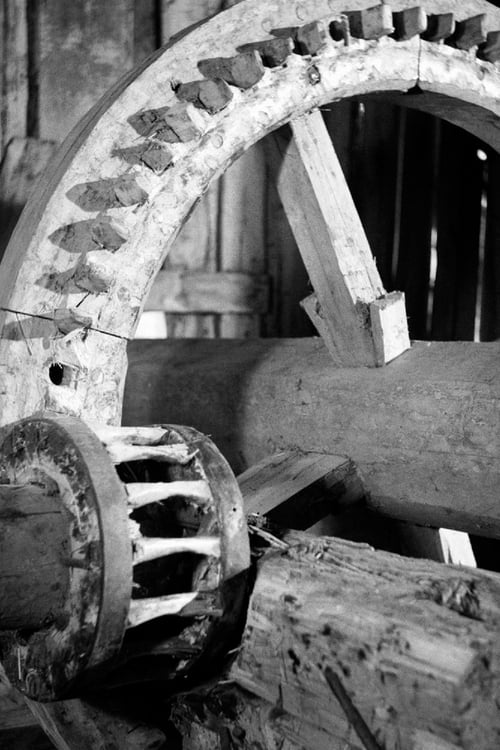
A short film which documents early lumber and textile manufacturing processes.
1948
2013
1970
1942
1901
1961
1958

1979
No reviews yet. Be the first to share your thoughts on this movie!
Use the rating form above to leave a star rating and optional review.