
Come ti rapisco il pupo
1976
No user ratings available yet
Representation score: 3.0 out of 10
Representation Score
Limited
1978
Director
Carlo Mossy
Average Rating
No ratings yetNew Showbiz Analysis
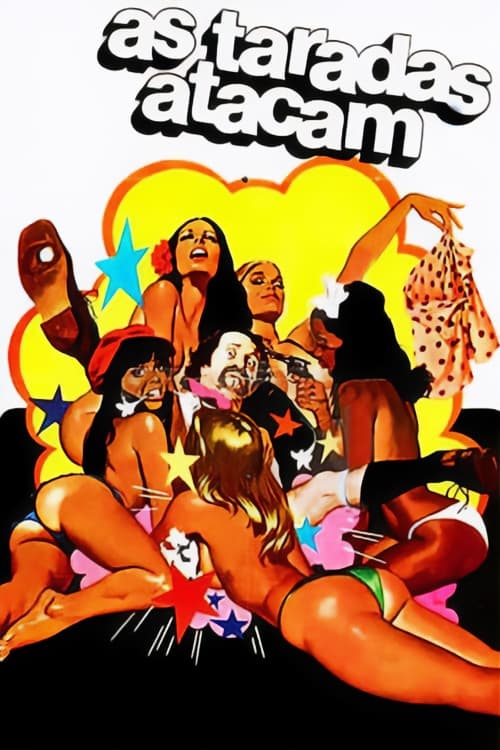
Taradas Atacam reflects the demographic and social norms of 1978 Brazilian cinema. The film does not have the complexity needed to challenge systemic hierarchies and instead leans on conventional comedic archetypes. While the film includes female cast members, it does not demonstrate a commitment to progressive gender representation or the subversion of traditional roles. Similarly, the racial and cultural elements mirror the era's norms without providing a deliberate disruption of social norms. Ultimately, the film offers a baseline level of inclusion typical of regional cinema from this period but lacks meaningful representation of LGBTQ+ and disability issues.
Category Breakdown
The film does not include any characters or stories that explore LGBTQ+ identities or non-assuming gender matches what was assigned at birth identities. There are no obvious signs of queer representation in the available material.
The film features female actors like Elena Andrea and Lúcia Legrand, but it likely relies on traditional gender stereotypes. There is no indication of female empowerment or challenging gender hierarchies.
The cast reflects the typical demographics of Brazilian cinema from the late 1970s. However, there is no evidence of intentional efforts to diversify the cast or challenge racial hierarchies.
The film adheres to the social structures common to its era. It lacks narratives that question traditional religious or cultural norms.
There is no evidence of characters with disabilities being portrayed with ability to act or meaningful roles in this production.
Present on Screen
Limited or Absent
1976

1980
1968

1983

1981
1983

1967
1978
No reviews yet. Be the first to share your thoughts on this movie!
Use the rating form above to leave a star rating and optional review.