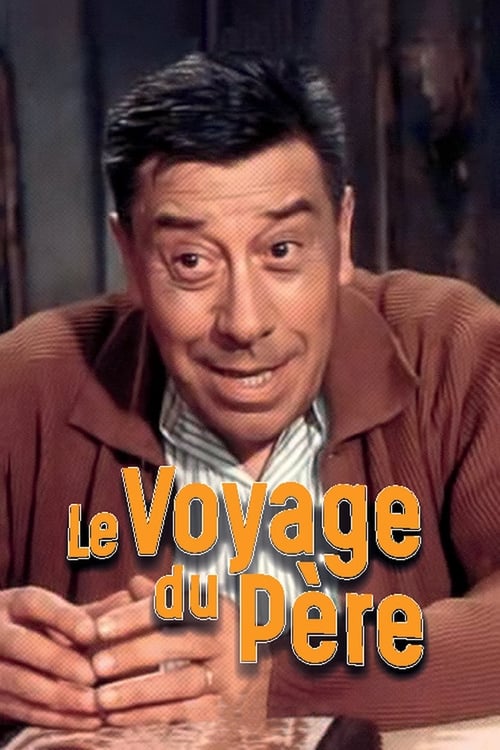
Father's Trip
1966
No user ratings available yet
Representation score: 1.4 out of 10
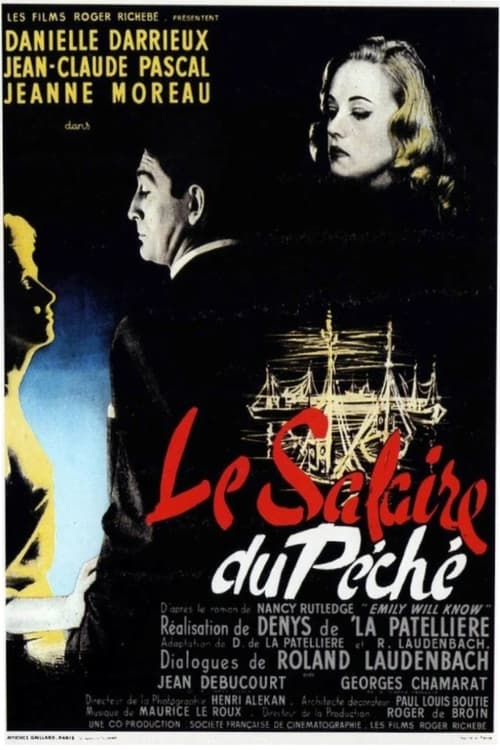
Representation Score
Limited
1956
Director
Denys de La Patellière
Runtime
110 minutes
Average Rating
No ratings yetNew Showbiz Analysis
The Wages of Sin is a mid-century bourgeois melodrama that prioritizes domestic friction and class tensions over identity-based subversion. Its narrative structure focuses on the clash between parental authority and individual romantic choice, a staple of the genre that reinforces rather than challenges 1950s social norms. The film reflects the demographic and social constraints of its era. It lacks multi-layered complexity, focusing instead on the preservation and disruption of established social structures within a traditionalist framework.
Category Breakdown
The film does not include any characters with non-straight sexual orientations or non-cisgender gender identities. It follows the traditional romantic structures typical of 1950s French melodramas.
The story centers on a daughter's significant role in challenging her father's authority. However, the narrative remains rooted in traditional family hierarchies and patriarchal structures.
The setting and bourgeois themes suggest a historically homogeneous white, European cast. There is no indication of diverse racial or ethnic backgrounds.
The film explores class friction between established wealth and the intellectual class. It operates within conventional ethical and moral frameworks.
There is no documented evidence of characters with visible or invisible disabilities in this production.
Present on Screen
Limited or Absent
Official Synopsis
Bourgeois melodrama about the family of a wealthy businessman in La Rochelle, who dismisses the marriage of his only daughter with a journalist.
1966
1961

1958
1945

1946
1958
1953
1958
No reviews yet. Be the first to share your thoughts on this movie!
Use the rating form above to leave a star rating and optional review.