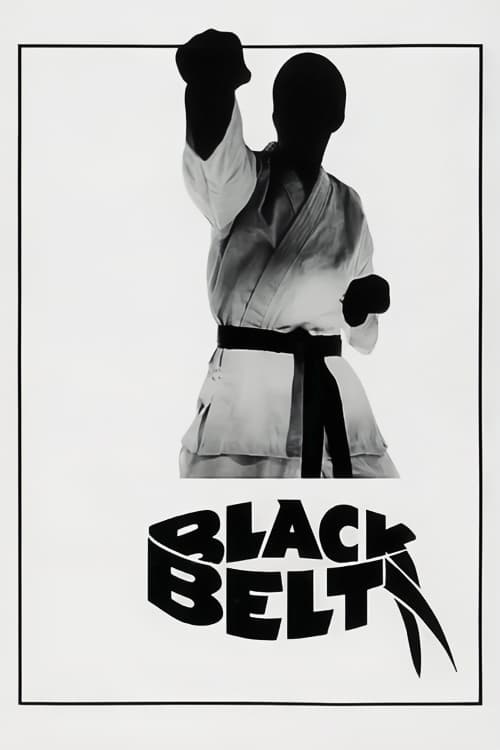
The Black Belt
1973
No user ratings available yet
Representation score: 2.9 out of 10
Representation Score
Fair
1973
Director
Ting Shan-Hsi
Runtime
85 minutes
Average Rating
No ratings yetNew Showbiz Analysis
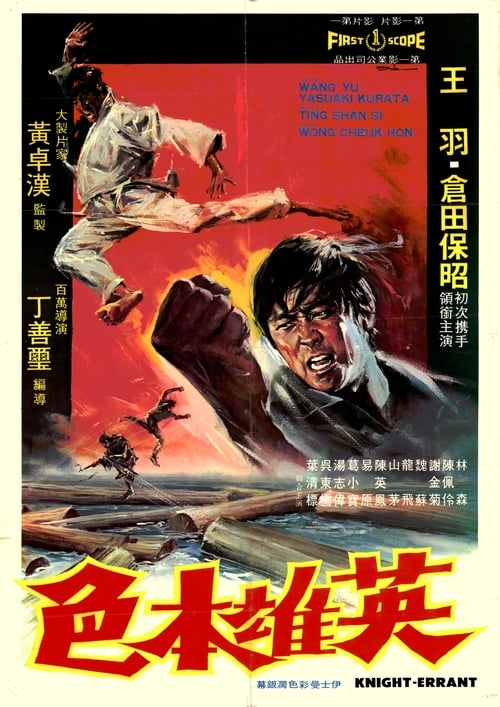
Knight Errant is a classic 1970s martial arts drama that relies on genre clichés and traditional masculine roles. While it offers a strong cultural perspective through its focus on East Asian traditions and Confucian values, it operates within the social hierarchies of its time. The film uses a female relative's disability to motivate the male lead's journey, treating secondary characters as catalysts for the protagonist's growth rather than fully realized individuals. Ultimately, the film provides insight into traditional martial arts cinema but lacks the complexity and diverse representation needed for a higher diversity score.
Category Breakdown
The film does not include any characters or stories that address LGBTQ+ identities. It follows the traditional social structures typical of 1970s martial arts dramas.
The story focuses on a male protagonist dealing with physical conflicts and family duties. Female characters, like the sister, serve as passive motivators rather than independent actors.
The cast is ethnically uniform, emphasizing East Asian cultural identity. It does not blend different identities in the way more modern, diverse productions do.
The narrative highlights traditional Confucian values such as filial piety and family honor. These themes support traditional social structures without challenging them.
Visual impairment is a key plot device used to drive the story. The sister's disability motivates the hero's actions rather than exploring her experiences.
Present on Screen
Limited or Absent
Official Synopsis
Taiwan taxi driver Jimmy Wang Yu has good intentions -- he wants to pay for an operation to help his sister recover her sight -- but he's saddled with some bad luck of his own. When Jimmy's dad angers three brothers who are looking for payback for their parents' deaths, Jimmy must now defend his father and try to save his sister. This crazy 1970s martial arts action flick will delight fans of the genre.
1973
1967
1972
1978
1980
1968

1980
1980
No reviews yet. Be the first to share your thoughts on this movie!
Use the rating form above to leave a star rating and optional review.