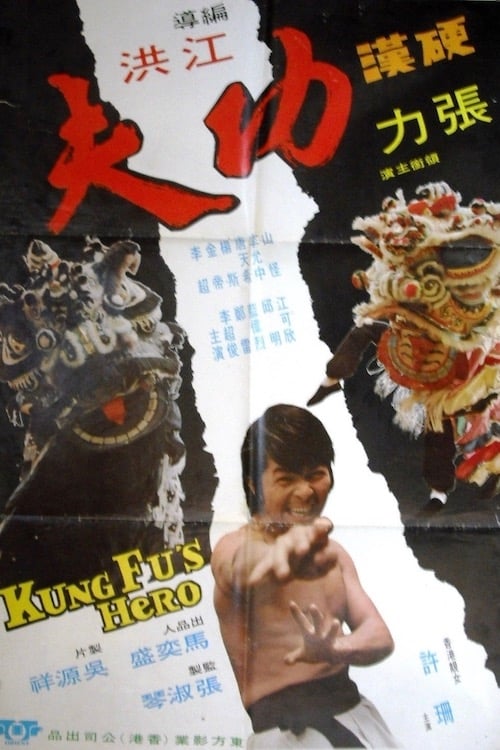
Kung Fu's Hero
1973
No user ratings available yet
Representation score: 4.0 out of 10

Representation Score
Fair
1993
Director
Stanley Siu Wing
Runtime
96 minutes
Average Rating
No ratings yetNew Showbiz Analysis
The film stands out for its focus on female protagonists, challenging the traditionally male-dominated action genre. By placing the main characters in positions of power, it disrupts conventional patriarchal martial arts clichés. While the film offers a strong non-Western perspective through its East Asian cast and localized conflicts, it lacks explicit representation of LGBTQ+ identities or disabilities. The narrative centers more on professional duties and regional geopolitics than broader social commentary. Overall, the film provides a nuanced alternative to Western cinematic norms by emphasizing female competence and East Asian ability to act in a high-energy action setting.
Category Breakdown
The film does not explicitly depict same-sex relationships or non-binary gender identities. However, it features a strong alliance between a female police officer and a martial arts expert, moving away from traditional male-dominated action structures.
The film challenges traditional gender roles by focusing on female protagonists who drive the story through professional skills and physical strength, avoiding submissive stereotypes.
The cast is primarily East Asian, providing a non-Western perspective. The story explores regional tensions and character's ability to drive the story through interactions between Chinese protagonists and Japanese antagonists.
The narrative emphasizes localized power dynamics and martial honor without relying on religious themes. It avoids Western-centric heroic archetypes by highlighting specialized, non-Western combat techniques and local law enforcement.
There is no depiction of physical or neurodivergent disabilities in the film.
Present on Screen
Limited or Absent
Official Synopsis
A female Chinese cop teams up with a lady kung-fu master to stop two female Japanese gangsters from stealing a valuable painting.
1973

1985

1972

2002

1996

1971
1971
1981
No reviews yet. Be the first to share your thoughts on this movie!
Use the rating form above to leave a star rating and optional review.