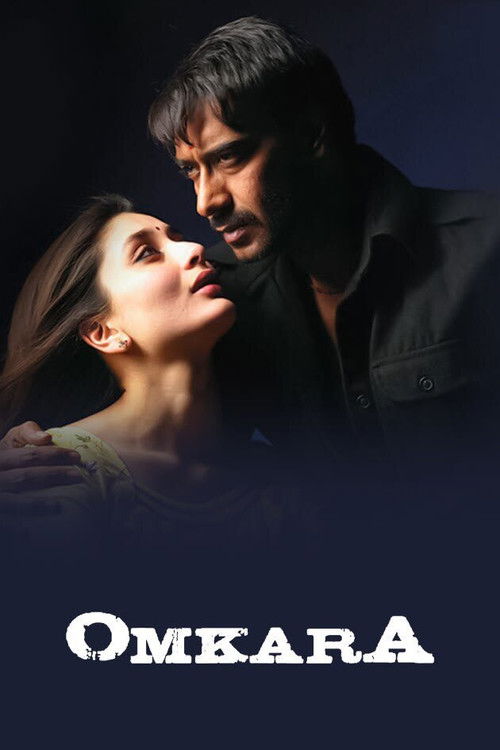
Omkara
2006
No user ratings available yet
Diversity score: 5.1 out of 10
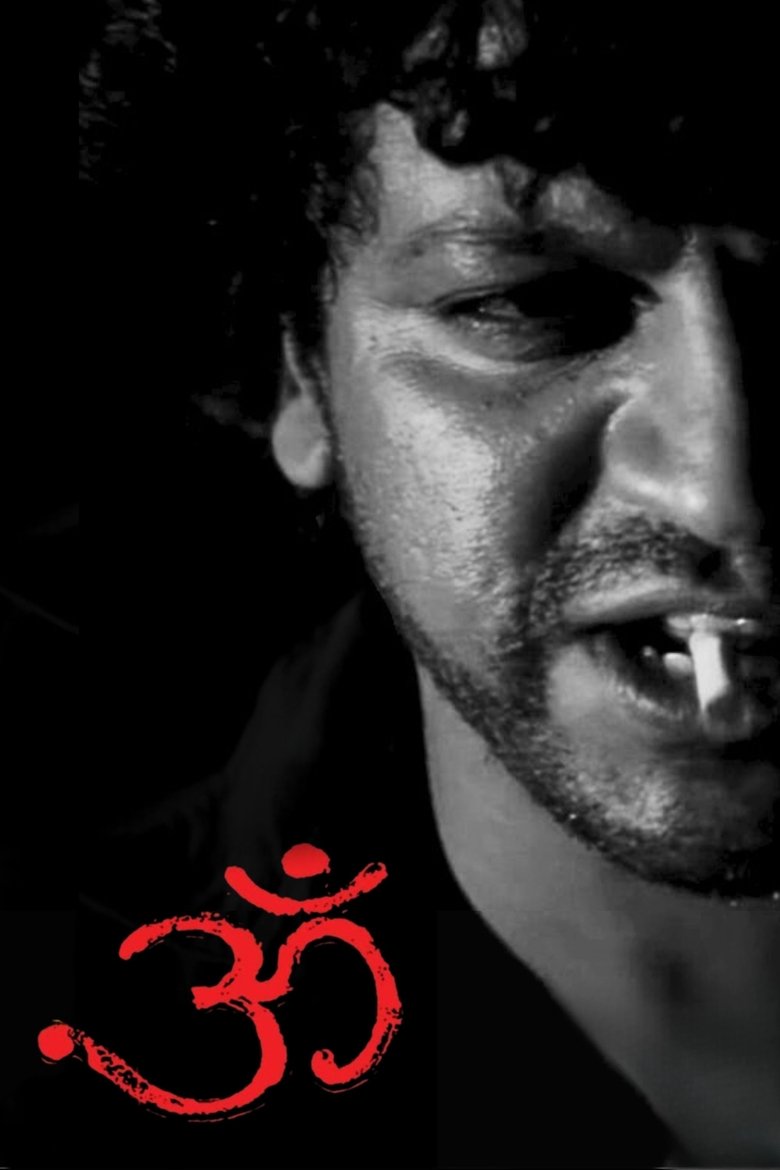
1995
Director
Upendra
Runtime
150 minutes
Average Rating
No ratings yetSynopsis
Satya, the son of a priest, leads a straightforward life until he meets the girl of his dreams. His love for her drags him into the world of crime, making him lose everyone he is close to.
Overall Score
Fair
Category Breakdown
LGBTQ+ Representation
The film focuses almost exclusively on a heteronormative romantic arc. There is no discernible evidence of queer narratives or non-cisnormative identities within the text.
Gender Representation
Power dynamics center on the male protagonist's psychological volatility. While the female lead is a central catalyst, her agency remains largely reactive to the protagonist's descent into crime.
Racial & Ethnic Diversity
The film provides an authentic representation of regional identity through a localized South Indian cast. It centers a non-Western cultural milieu as the primary reality of the story.
Religious & Cultural Diversity
The narrative deconstructs traditional moral certainties by framing the protagonist's instability through a lens of moral relativism. This challenges the rigidity of social and religious norms.
Disability Representation
The film is notable for its focus on neurodivergence and mental health. It utilizes the protagonist's erratic behavior to drive the narrative rather than treating it as a mockery.
Strengths
Areas for Improvement
AI Analysis
Om stands out for its psychological depth and its refusal to adhere to the standard heroic archetypes of 1990s Indian cinema. By centering a protagonist defined by mental instability, the film moves away from simple crime tropes toward a more complex study of human dysfunction. While the film excels in its portrayal of neurodivergence and regional authenticity, it remains limited by the era's gender and sexual norms. The narrative is heavily male-centric, with female characters serving primarily as emotional catalysts for the protagonist's actions. Ultimately, the film's strength lies in its postmodern approach to storytelling. It disrupts traditional moral structures, offering a nuanced look at how psychological states can collide with social expectations.
2006
1989

2001
2017
2001
1998

2009

2018

2004

2019

2011

2019
No reviews yet. Be the first to share your thoughts on this movie!
Use the rating form above to leave a star rating and optional review.