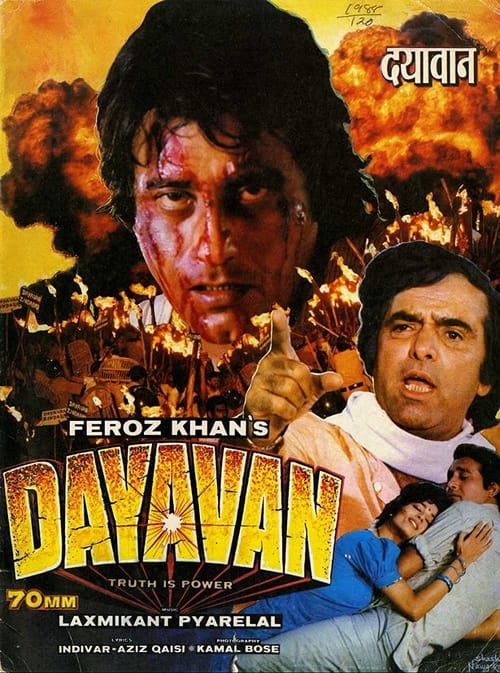
Dayavan
1988
No user ratings available yet
Representation score: 4.0 out of 10
Representation Score
Fair
1989
Not RatedDirector
Saeed Akhtar Mirza
Runtime
111 minutes
Average Rating
No ratings yetNew Showbiz Analysis
Saeed Akhtar Mirza’s work stands out for its commitment to social realism, using the Mumbai underworld to critique systemic institutional failures. The film avoids the escapism of mainstream cinema by grounding its characters in the harsh realities of class struggle and urban decay. While the film excels in depicting ethnic diversity and providing a sophisticated critique of systemic economic inequality, it is limited by the patriarchal structures of its era. The lack of women's ability to drive the story and LGBTQ+ representation prevents a higher overall score. Ultimately, the film succeeds as a piece of Parallel Cinema, offering a complex portrait of underrepresented lives navigating a broken social contract.
Category Breakdown
The film focuses on hyper-masculine underworld environments and the socioeconomic struggles of the urban poor. There are no LGBTQ+ characters or non-cisgender identities present.
The narrative centers on men's control over the story and gang structures within traditional 1980s hierarchies. It lacks female characters who play a significant role in driving the story or the subversion of patriarchal roles.
The film depicts Mumbai's complex ethnic and religious tapestry through its diverse communal fabric. It provides a nuanced look at the overlapping identities within working-class chawls.
The story offers a profound critique of capitalist structures and the lingering effects of colonialism. It frames crime as a systemic consequence of economic inequality and urban decay.
The protagonist, Salim, is defined by a physical disability without falling into sentimental clichés. His physical reality is integrated into his identity and ability to act within a violent environment.
Present on Screen
Limited or Absent
Official Synopsis
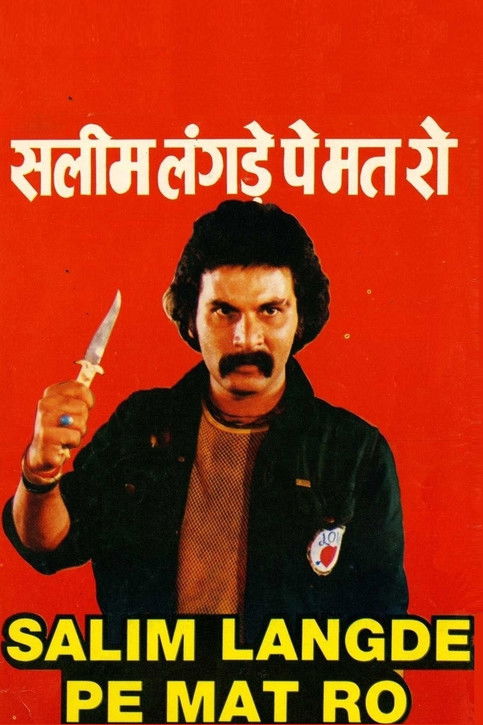
Salim Pasha, a man with a physical disability, is involved in crimes like extortion and robbery with two of his friends Peera and Abdul. Salim is a carefree man.
1988

1988
1986

1980
1998
1973

2001

2009
No reviews yet. Be the first to share your thoughts on this movie!
Use the rating form above to leave a star rating and optional review.