
Shabdavedhi
2000
No user ratings available yet
Representation score: 1.1 out of 10
Representation Score
Limited
2004
Not RatedDirector
Shimit Amin
Runtime
129 minutes
Average Rating
No ratings yetNew Showbiz Analysis
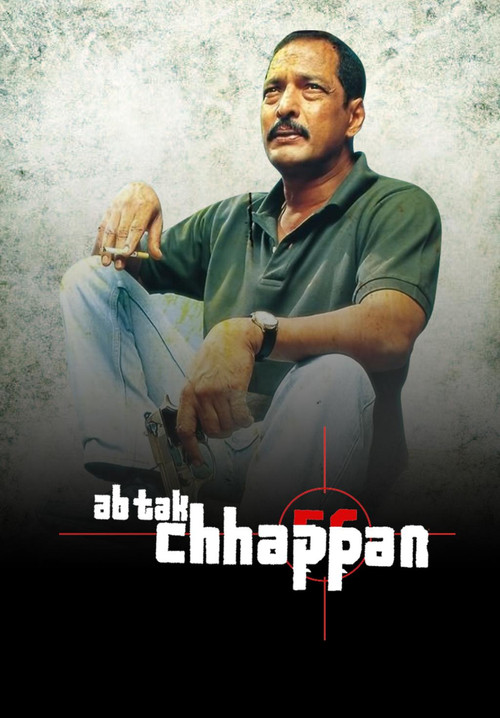
Ab Tak Chhappan is a localized crime drama that emphasizes atmospheric realism and masculine-driven conflict. It provides an authentic South Asian urban experience, grounded in a specific regional reality. However, the film adheres to traditional social structures, relying heavily on hyper-masculinity and patriarchal frameworks. It does not actively seek to deconstruct social hierarchies or include diverse identities beyond its primary demographic.
Category Breakdown
The film focuses on a hyper-masculine underworld hierarchy and does not include any non-straight identities or narratives that question the assumption that everyone is straight.
Power and control are primarily held by male characters. Women play minor roles that support traditional male-dominated hierarchies.
The cast accurately reflects the South Asian demographic of Mumbai. It avoids Western-centric casting patterns, emphasizing regional authenticity.
The story explores moral relativism through codes of loyalty and honor. However, it does not provide a broader critique of the structures that produce its criminal environments.
There is no focus on visible or invisible disabilities. No characters are used as plot devices related to disability.
Present on Screen
Limited or Absent
Official Synopsis
Following the fortunes of tough cop Sadhu Agashe both in his fight against crime and in his personal life. Garnering newspaper headlines for his crime-fighting activities, he also makes some enemies in the police department, most notably in the form of his superior, who believes his officer has gone too far.
2000
2011

2004
2018

2001
2001
2000
1995
No reviews yet. Be the first to share your thoughts on this movie!
Use the rating form above to leave a star rating and optional review.