Kaminey
2009
No user ratings available yet
Representation score: 4.4 out of 10
Representation Score
Fair
2006
PG-13Director
Vishal Bhardwaj
Runtime
155 minutes
Average Rating
No ratings yetNew Showbiz Analysis
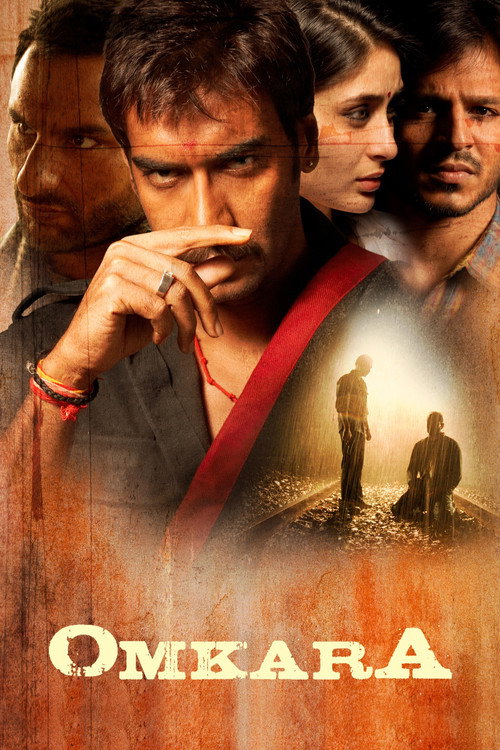
Omkara succeeds as a sophisticated cultural reclamation, transcreating a Shakespearean tragedy into a gritty, localized Indian landscape. By rooting the story in the specific ethnic and caste-inflected nuances of Uttar Pradesh, the film effectively de-centers its Western origins. However, the narrative remains heavily constrained by patriarchal structures and straight-centered dynamics. Female characters often serve as catalysts for male jealousy rather than independent drivers of the plot, and the film lacks any representation of LGBTQ+ identities. While the depiction of disability is central to a key character, it functions more as a tool for plot manipulation than a deep exploration of identity.
Category Breakdown
The film focuses on traditional, volatile romantic bonds and does not include any representation of LGBTQ+ identities or narratives that critique the assumption that everyone is straight or cisgender.
A rigid, patriarchal hierarchy dominates the criminal underworld. While Dolly Mishra shows emotional complexity, she often plays a supporting role in male-driven conflicts and suspicions.
The film excels in localized authenticity, using a cast that reflects the specific ethnic and caste nuances of Uttar Pradesh. It successfully de-centers its Anglo-Saxon source material.
The narrative explores moral relativism, where legal and religious structures are superseded by personal vendettas. It portrays a world defined by systemic survival rather than singular morality.
Langda Tyagi uses physical impairment as a central component of his social navigation. However, the portrayal leans toward functional plot utility rather than a nuanced exploration of lived experience.
Present on Screen
Limited or Absent
Official Synopsis
Half-caste bandit Omkara Shukla abducts his lady love, Dolly Mishra, from her family. Thanks to his cleverness, he gets away with the kidnapping. A conspiracy, however, forms against him when he denies his right-hand man, Langda Tyagi, a promotion. Ultimately, this plot threatens not only his relationship with Dolly, but their lives and those of their associates as well.
2009
2011
2011
2008
2007

2012
1998
2005
No reviews yet. Be the first to share your thoughts on this movie!
Use the rating form above to leave a star rating and optional review.