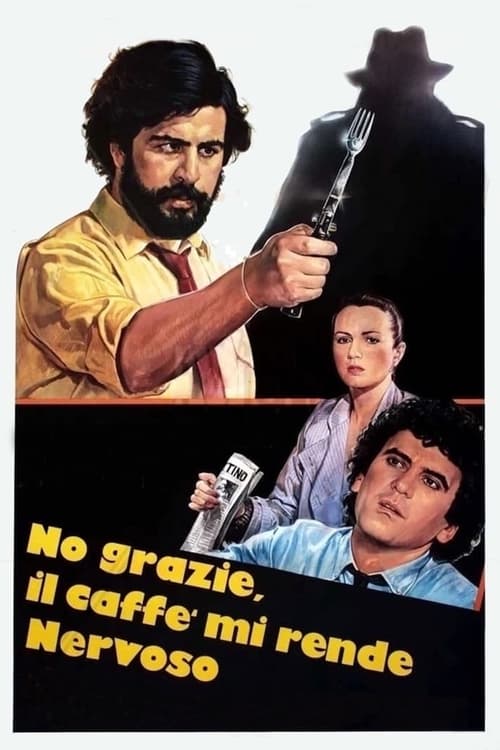
No Thanks, Coffee Makes Me Nervous
1982
No user ratings available yet
Representation score: 1.3 out of 10
Representation Score
Good
1979
Director
Sergio Corbucci
Runtime
115 minutes
Average Rating
No ratings yetNew Showbiz Analysis
The film presents a grounded, genre-driven mystery that prioritizes socioeconomic realism over idealized heroism. It excels by depicting a protagonist defined by practical struggles, such as debt and physical limitations. However, the production remains confined by traditional narrative structures. The absence of LGBTQ+ visibility and the reliance on female characters as mere plot devices limit its broader social representation. Ultimately, the film's strength lies in its nuanced portrayal of disability and its authentic Mediterranean setting, despite missing opportunities for greater racial and gender diversity.
Category Breakdown
The film does not explicitly depict LGBTQ+ identities. The story revolves around a male protagonist and a mysterious blonde, suggesting a traditional romantic dynamic without any queer undertones.
Raffaele is the main driver of the investigation, while the female lead mostly serves as a plot catalyst. The structure follows conventional patterns where the male lead steers the conflict.
Set in Naples, the film features a localized Italian cast. It avoids Anglo-centric norms through Mediterranean themes but lacks significant racial blending or diverse casting.
The story explores socioeconomic struggles through a cynical, situational morality. The protagonist's debt and paternal responsibilities anchor the film in a realistic, non-idealized cultural context.
Raffaele is characterized by a physical limp that is integrated into his identity. The film portrays his disability as a functional part of his lived experience rather than a caricature.
Present on Screen
Limited or Absent
Official Synopsis
Raphael, a restaurant mandolin player with a limp, a father to support, and a lot of debt, accepts a job offered by his friend, Giardino, to play a serenade under an apartment window at the behest of a mysterious blonde. As he’s playing, a man high up on a balcony is pushed to his death. Raffaele is compelled to conduct his own investigation and becomes embroiled in a mystery involving a macabre secret...
1982
1976
1964
1971
1973
1965
1975
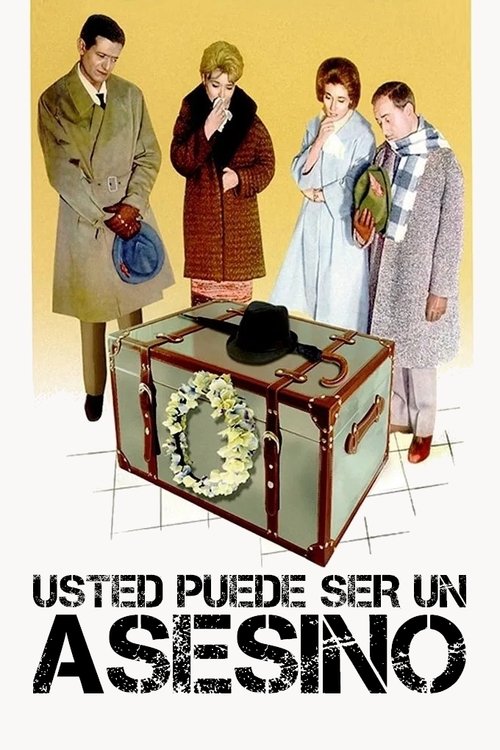
1961
No reviews yet. Be the first to share your thoughts on this movie!
Use the rating form above to leave a star rating and optional review.